Tag: generic drugs

Perception vs Reality: Why Generics Seem Less Effective Than Brand-Name Drugs
Generics contain the exact same active ingredients as brand-name drugs, yet many people believe they're less effective. This gap between science and perception affects adherence, health outcomes, and healthcare costs.
Feb 24 2026
Generic vs Brand Drug Prices: What You Really Pay and Why
Generic drugs work just like brand-name ones but cost up to 85% less. Learn why the price gap exists, how generics are regulated, and how to save money on prescriptions without sacrificing effectiveness.
Feb 19 2026
FDA Regulatory Authority: How the Agency Approves Generic Drugs
The FDA ensures generic drugs are safe and effective through the ANDA process, requiring bioequivalence to brand-name drugs without repeating clinical trials. Generics make up 90% of U.S. prescriptions and save billions annually.
Jan 15 2026

International Perspectives on NTI Generics: Regulatory Approaches Compared
NTI generics require strict regulatory oversight due to their narrow safety margin. This article compares how the FDA, EMA, Health Canada, and others regulate these high-risk drugs, highlighting differences in bioequivalence standards, approval timelines, and substitution rules.
Dec 19 2025

How Insurers Decide Which Generic Drugs to Cover
Insurers use Pharmacy & Therapeutics committees to decide which generic drugs to cover, prioritizing safety, effectiveness, and cost. Most generics are placed in the lowest-cost tier, but coverage varies by plan - and patients can appeal denials.
Dec 15 2025
Common Pharmacist Concerns About Generic Substitution: What Really Happens Behind the Counter
Pharmacists support generic substitution for cost savings, but face resistance from patients and doctors. Learn why trust, communication, and NTI drugs create real-world challenges behind the pharmacy counter.
Dec 8 2025
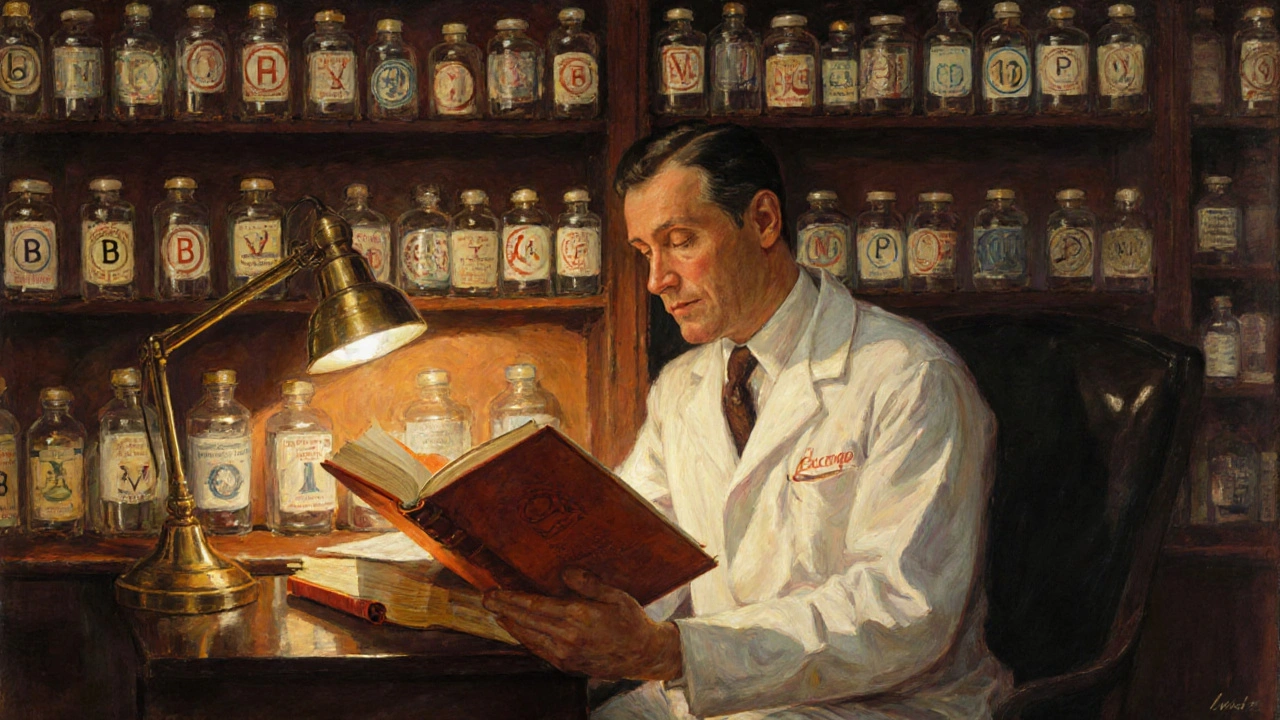
Therapeutic Equivalence Codes: How the FDA Determines If Generic Drugs Can Be Substituted
Therapeutic equivalence codes tell you if a generic drug can be safely swapped for a brand-name version. The FDA uses the Orange Book to assign A or B ratings based on bioequivalence, helping pharmacists make safe substitutions that save billions each year.
Nov 22 2025

Generic Manufacturing Standards: How Quality Control Stops Counterfeit Drugs
Generic drugs are just as safe as brand-name ones - if they’re made under strict quality control. Learn how cGMP standards, digital tracking, and advanced testing stop counterfeit drugs before they reach patients.
Nov 10 2025