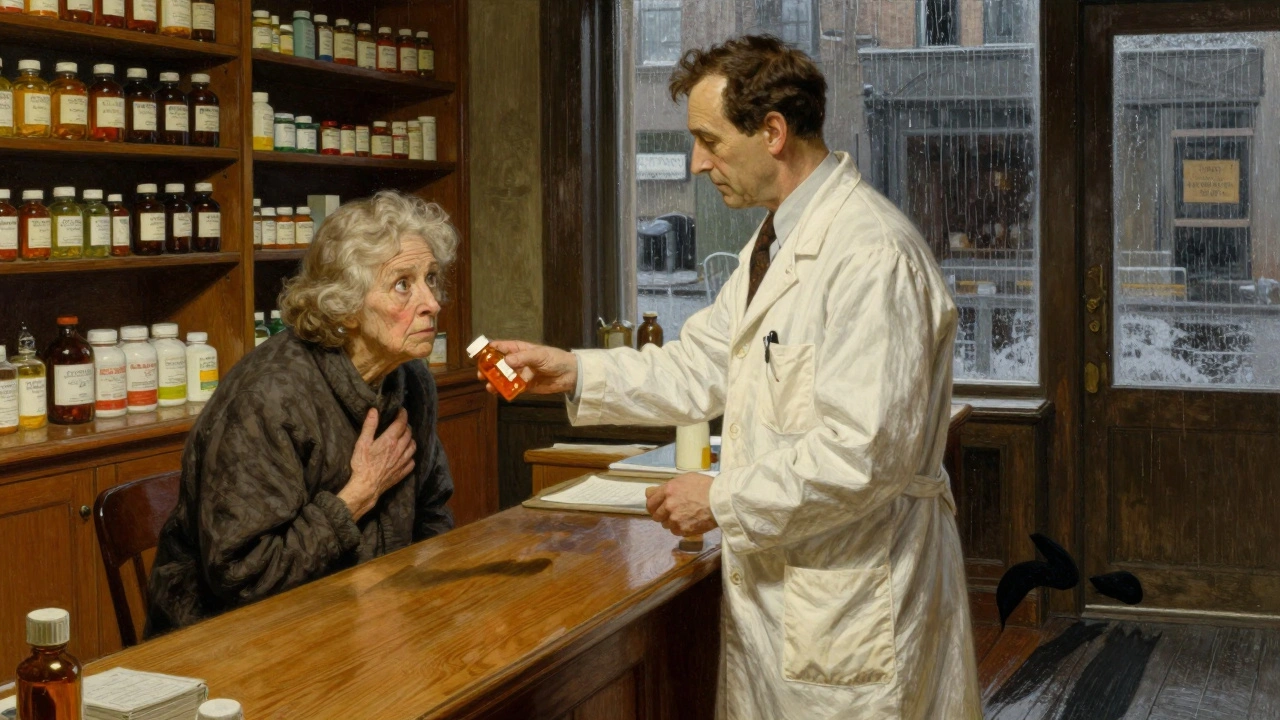
When a pharmacist hands you a pill that looks different from what you’ve been taking, it’s not just a packaging change. It’s a quiet moment of tension - between cost savings and patient trust, between science and perception. Generic substitution is supposed to be simple: same active ingredient, lower price, same effect. But in practice, it’s anything but straightforward. Pharmacists aren’t just dispensing pills - they’re managing expectations, calming fears, and sometimes fighting uphill battles with patients who think cheaper means worse.
Why Pharmacists Recommend Generics - and Why Patients Resist
Most pharmacists support generic substitution. In fact, surveys show they recommend generics for 96% of eligible prescriptions. The reason? It works. The FDA requires generics to be bioequivalent to brand-name drugs, meaning they deliver the same active ingredient at the same rate and amount in the body. Studies show an average difference in absorption of just 3.5% between brand and generic versions. That’s not a flaw - it’s normal variation, like how two batches of the same brand might behave differently. But patients don’t always see it that way. Many believe that if a pill is cheaper, it must be less effective. Some think generics are made in overseas factories with lower standards. Others notice the change in shape, color, or size - and panic. One woman in Wellington told her pharmacist she stopped taking her blood pressure med because the new pill was oval instead of round. She thought the change meant it wasn’t the same drug. She didn’t know it was still the exact same active ingredient. Patient acceptance is highest for acute conditions like infections or short-term pain - around 82%. But for chronic diseases like epilepsy, thyroid disorders, or depression? That drops to 72%. Why? Because people on long-term meds feel like their body has adapted to the brand they know. Switching feels risky, even when the science says it’s not.The Hidden Burden: Educating Patients in 90 Seconds
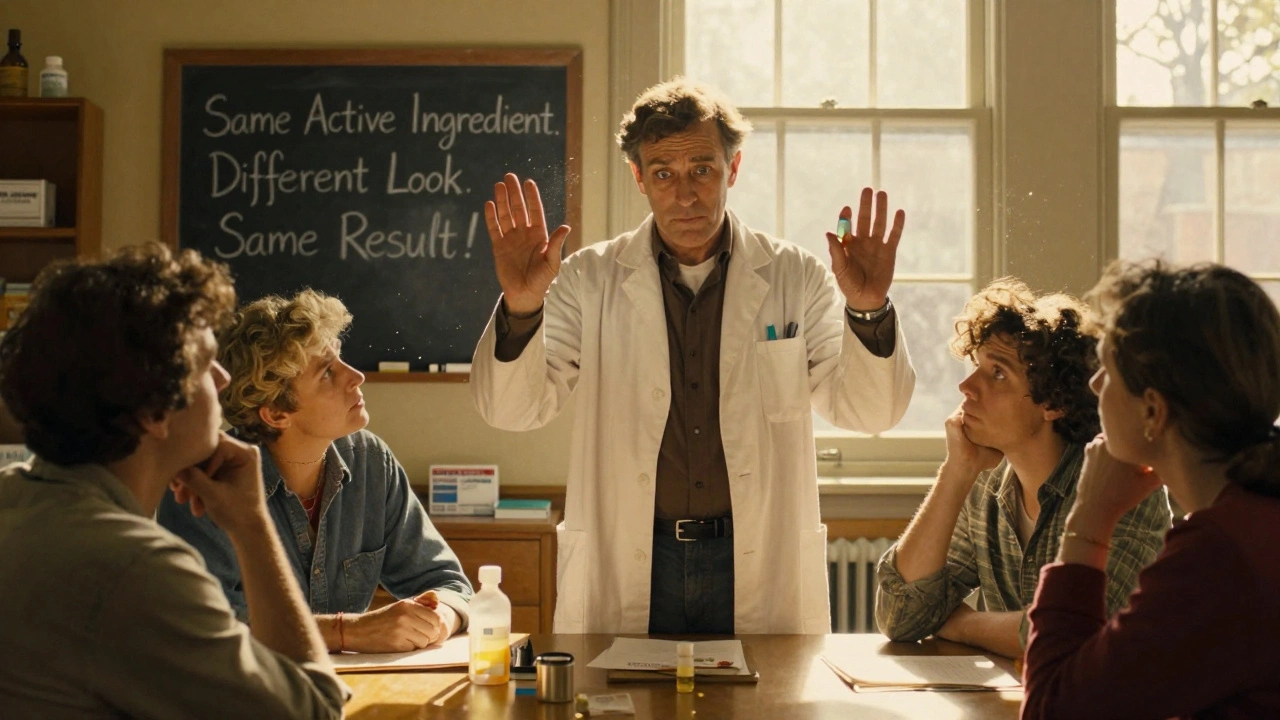
Pharmacists are often the first - and sometimes only - person to explain substitution. But here’s the problem: most patients never heard about it from their doctor. One U.S. study found 64.4% of patients received no information from their prescriber about generics. That means the pharmacist has to step in during a rushed consultation, while juggling other patients, insurance checks, and refill requests. And it’s not just about explaining bioequivalence. Patients need to know:- That the active ingredient is identical
- That the FDA requires the same quality standards
- That changes in appearance don’t mean changes in effect
- That they have the right to refuse the switch
The Real Red Flags: When Substitution Gets Risky
Not all drugs are created equal when it comes to substitution. The biggest concern among pharmacists is for narrow therapeutic index (NTI) drugs - medications where even tiny changes in blood levels can cause serious harm. This includes:- Anti-epileptic drugs (like phenytoin or carbamazepine)
- Blood thinners (warfarin)
- Thyroid medications (levothyroxine)
- Some psychiatric drugs (lithium)
It’s Not Just About the Pill - It’s About Trust
The real issue isn’t science. It’s trust. Patients trust their doctor. They trust their brand name. They don’t trust the word "generic" - especially if they’ve been told for years that "name-brand is better." Some think generics are made by unknown companies with shady practices. Others believe the FDA is too lenient. One patient in Auckland told her pharmacist she wouldn’t take a generic because "it’s made in India, and I heard the factories are dirty." She didn’t know that 40% of all U.S. generic drugs - including those made by big brands - are produced in India, under the same FDA inspections. Packaging changes make it worse. When a patient’s pill changes color, shape, or even the imprint on it, they think it’s a different drug. Pharmacists have to explain that the same company might make both versions - or that a different manufacturer simply has a different design. It’s not fraud. It’s regulation. And then there’s the cost. Some patients assume the lower price means the drug is old, expired, or low quality. But generics aren’t cheap because they’re bad. They’re cheap because the patent expired. The manufacturer doesn’t have to spend millions on advertising or clinical trials. The science is already proven. That’s the point.
What Can Be Done? Communication, Not Compromise
There’s no magic fix. But there are better ways forward. First, doctors need to talk to patients before the prescription even reaches the pharmacy. If a doctor says, "I’m prescribing a generic because it’s just as good and will save you money," patients are far more likely to accept it. Studies show that when physicians include substitution in the conversation, acceptance rates jump. Second, pharmacists need more time - not just to explain, but to document. Some states in the U.S. require written consent for NTI drug substitutions. New Zealand doesn’t have that yet, but maybe it should. A simple note in the patient’s record - "Patient advised of substitution, understood equivalence, chose to proceed" - could prevent misunderstandings later. Third, we need better patient education materials. Not brochures no one reads. Real, short videos or QR codes on the prescription label that link to a 60-second explainer from a trusted source - like the Ministry of Health or the Pharmaceutical Society. And finally, we need to stop calling them "generics." The term itself carries baggage. "Generic" sounds like "copy." Maybe we should call them "equivalent medications" or "bioequivalent alternatives." Language matters.Bottom Line: The System Works - But Only If We All Do Our Part
Generic substitution saves patients an average of 21% on medication costs. That’s thousands of dollars a year for someone on multiple prescriptions. It’s one of the most effective ways to make healthcare affordable without sacrificing safety. But it only works if everyone plays their part. Doctors need to initiate the conversation. Pharmacists need to explain clearly and respectfully. Patients need to ask questions instead of assuming. And regulators need to support clear guidelines - especially for high-risk drugs. The science is solid. The savings are real. The challenge? Human fear, misinformation, and a system that doesn’t always make time for the human side of medicine.Are generic drugs really as effective as brand-name drugs?
Yes. The FDA requires generic drugs to have the same active ingredient, strength, dosage form, and route of administration as the brand-name version. They must also be bioequivalent - meaning they work the same way in the body. Studies show an average difference in absorption of only 3.5%, which is within normal biological variation. Thousands of studies confirm generics are just as safe and effective for most people.
Why do generic pills look different from brand-name ones?
By law, generic drugs can’t look identical to brand-name versions. That’s to avoid trademark infringement. So the color, shape, size, or imprint may be different - but the active ingredient is the same. The inactive ingredients (like fillers or dyes) might vary slightly, but these don’t affect how the drug works. If you notice a change in appearance, it doesn’t mean the drug is different or weaker.
Can pharmacists substitute any drug with a generic?
No. Pharmacists can’t substitute drugs labeled "dispense as written" by the prescriber. They also avoid substitution for narrow therapeutic index (NTI) drugs like warfarin, levothyroxine, or anti-seizure medications unless the patient and doctor agree. Some states or countries have stricter rules. In New Zealand, substitution is allowed unless the prescriber says otherwise, but pharmacists use clinical judgment to avoid switching high-risk meds without consultation.
Why do some doctors dislike generic substitution?
Some doctors worry about patients who are stable on a brand-name drug and might react poorly to a switch - especially with NTI medications. Others don’t trust the generic manufacturers or have had a bad experience with a patient. Many also feel they didn’t have a chance to explain the switch to the patient, so they assume the pharmacist overstepped. It’s not about the drug - it’s about communication and control.
Can I refuse a generic substitution?
Yes. You always have the right to refuse a generic and ask for the brand-name drug instead. You may have to pay more out of pocket, but it’s your choice. Pharmacists should tell you about this option - but often don’t. If you’re unsure, ask: "Can I get the brand version?" or "Is there a reason you’re switching?"
Are biosimilars the same as generic drugs?
No. Biosimilars are not the same as traditional generics. Generics are exact copies of small-molecule drugs. Biosimilars are copies of complex biologic drugs - like insulin or rheumatoid arthritis treatments - made from living cells. Because they’re more complex, biosimilars can have minor differences in structure, which may affect how they work. They require more testing and are not automatically interchangeable. Pharmacists need special training to handle these.
What should I do if I think a generic isn’t working for me?
Don’t stop taking it. Call your pharmacist or doctor right away. Sometimes side effects or changes in how you feel are temporary as your body adjusts. Other times, the generic might not be the right fit - even if it’s scientifically equivalent. Your provider can help decide whether to switch back, adjust the dose, or try a different generic. Never assume the problem is the drug - get professional advice first.



Written by Martha Elena
I'm a pharmaceutical research writer focused on drug safety and pharmacology. I support formulary and pharmacovigilance teams with literature reviews and real‑world evidence analyses. In my off-hours, I write evidence-based articles on medication use, disease management, and dietary supplements. My goal is to turn complex research into clear, practical insights for everyday readers.
All posts: Martha Elena