
Medication Emergency Checker
Check Your Symptoms
Select any symptoms you're experiencing. This tool identifies life-threatening medication reactions requiring immediate emergency care.
Every year, more than 106,000 people in the U.S. die from unexpected reactions to medications. Many of these deaths could have been prevented-if only someone had recognized the warning signs in time. You take your pills as directed. You trust your doctor. But sometimes, even the right medicine can turn dangerous. Knowing when to seek emergency care for medication side effects isn’t just helpful-it can save your life.
What Counts as a Medication Emergency?
Not all side effects are emergencies. A mild headache after starting a new blood pressure pill? Probably not. But if that same headache comes with slurred speech, blurred vision, or weakness on one side of your body? That’s not a side effect-that’s a stroke waiting to happen. Medication emergencies aren’t about how bad the symptom feels. They’re about what the symptom means.The FDA defines serious adverse drug reactions as those that cause death, hospitalization, disability, birth defects, or life-threatening conditions. These aren’t rare. They’re common enough to be the fourth leading cause of death in the U.S. The problem? Most people don’t know what to look for.
Red Flags That Demand Immediate Action
Here’s what you need to watch for-right now, today:- Difficulty breathing or throat swelling-This isn’t just allergies. If your lips, tongue, or throat start swelling, or if you sound like you’re breathing through a straw, call 911. This is anaphylaxis. It can kill in minutes.
- Blue or gray lips or fingernails-This means your body isn’t getting enough oxygen. It can happen with severe allergic reactions or drug-induced lung damage.
- High fever over 102°F (39°C)-Especially if it comes with a rash, confusion, or joint pain. This could signal Stevens-Johnson Syndrome or toxic epidermal necrolysis-two rare but deadly skin reactions that start like a sunburn and turn into full-body burns.
- Uncontrolled vomiting or diarrhea-If you can’t keep fluids down for more than 12 hours, especially with dizziness or fainting, you’re at risk of organ failure from dehydration. This happens often with antibiotics, chemotherapy, or even common painkillers.
- Severe chest pain or irregular heartbeat-A heart rate below 50 or above 110 beats per minute, especially with sweating, nausea, or fainting, could mean your heart is reacting badly to a drug. Some antidepressants, antibiotics, and even herbal supplements like St. John’s Wort can trigger this.
- Sudden confusion, slurred speech, or one-sided weakness-These are classic signs of stroke. Even if you think it’s just a side effect of your blood pressure med, don’t wait. A stroke from a drug interaction can happen within hours.
- Unexplained bruising or bleeding-If you’re on blood thinners like warfarin or apixaban, even a small bump can cause internal bleeding. Nosebleeds that won’t stop, blood in urine or stool, or vomiting blood? Go to the ER. Mixing warfarin with ibuprofen or certain antibiotics can spike your bleeding risk by 50%.
- Severe abdominal pain radiating to your back-This isn’t just indigestion. It could be a ruptured aortic aneurysm triggered by a drug interaction. One case study showed a patient’s symptoms were wrongly blamed on infection-when it was actually a life-threatening vascular emergency.
What You Shouldn’t Ignore
Some reactions seem harmless at first. That’s why they’re so dangerous.Let’s say you start a new antibiotic and get a rash. Most people think, “It’s just a reaction. I’ll stop the pill.” But if that rash spreads, blisters, or affects your mouth or eyes? You could be developing toxic epidermal necrolysis. It kills 30% of people who get it. And it starts like a mild sunburn.
Or what about dizziness? You take your diabetes med, feel lightheaded, and assume it’s low blood sugar. But if your blood pressure drops below 90/60 and you’re confused? That could be a drug interaction with a heart medication or a kidney issue. You don’t need to be an expert to know: if something feels wrong, and it’s new, and it’s bad-it’s not normal.

Who’s at Highest Risk?
You don’t have to be elderly to be at risk. But if you fit any of these, you’re in a higher danger zone:- You take five or more medications daily-including over-the-counter pills, supplements, or herbal teas.
- You’re over 65. Nearly half of Americans in this group take five or more drugs.
- You’re on blood thinners, insulin, seizure meds, or antidepressants. These have narrow safety margins.
- You take St. John’s Wort, ginkgo, or garlic supplements. These can dangerously interact with prescription drugs.
- You recently changed your dose, added a new drug, or switched pharmacies. Most severe reactions happen within 72 hours of a change.
Studies show that 90% of serious reactions aren’t allergic. They’re interactions. Two drugs you’ve taken separately for years? Put them together, and they turn toxic. A common antibiotic like ciprofloxacin can spike your INR levels (a measure of blood clotting) in 24 to 48 hours. That’s faster than most people realize.
What to Do Before It’s Too Late
You can’t prevent every reaction-but you can prevent delayed reactions.- Ask your pharmacist: “What symptoms mean I need to go to the ER?” Don’t just get the list of common side effects. Ask for the red flags.
- Keep a simple log: Write down when you started each med, what dose, and when symptoms began. This helps doctors spot patterns fast.
- Know your meds. If you’re on warfarin, know your target INR. If you’re on insulin, know the signs of overdose. Don’t rely on memory.
- Carry a list of all your medications-even the ones you take once a week. Emergency rooms need this in minutes.
- If you have a known allergy, carry an epinephrine auto-injector. 89% of anaphylaxis survivors say it saved their life.
Why People Wait Too Long
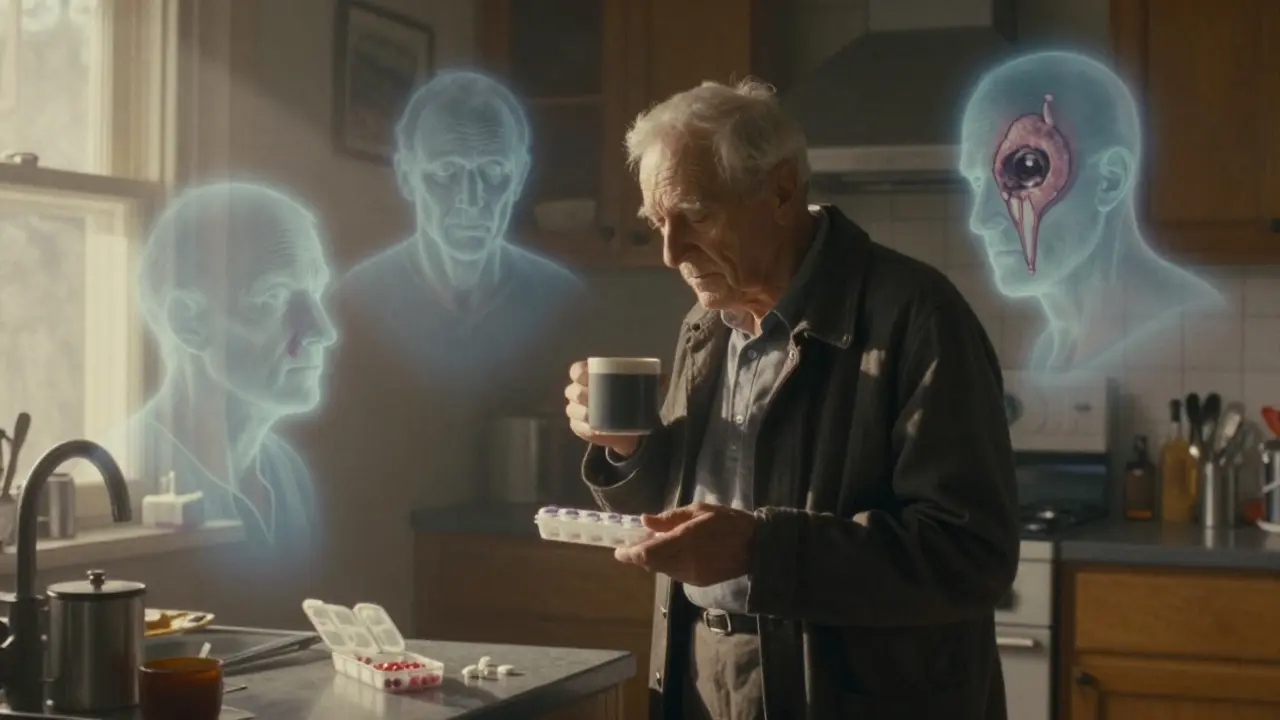
A 2023 Mayo Clinic survey found that 61% of patients didn’t know when their reaction was serious. Why? Because labels don’t tell you. Your doctor didn’t explain. You thought, “It’ll pass.”One Reddit user started amoxicillin and got a rash. She waited four hours, thinking, “It’s just itchy.” By the time she went to urgent care, her throat was closing. She needed a breathing tube. Another user on Drugs.com wrote: “I ignored the vomiting. I thought it was food poisoning. I ended up in the ICU with liver failure.”
The FDA found that only 37% of patients could correctly identify which symptoms required emergency care. That’s not your fault. It’s a system failure. But you can fix it-for yourself.
What’s Being Done to Help
The FDA’s Sentinel Initiative now tracks 300 million patient records to catch dangerous drug patterns in weeks, not years. Pharmacies are now required to screen for 15 high-risk interactions during every medication review. AI tools are being tested to predict your personal risk based on your genes and history.But none of that helps if you don’t know what to do today. The best tool you have is your own awareness. Your body talks. You just have to listen.
Can a reaction happen weeks after starting a medication?
Yes. While most severe reactions happen within 72 hours of a new dose or drug change, some can appear days or even weeks later. Stevens-Johnson Syndrome, for example, can develop 1 to 3 weeks after starting a drug. If you notice new skin changes, mouth sores, or eye irritation after starting any new medication-even if it’s been a few weeks-seek medical help right away.
Is it safe to wait and see if a side effect goes away?
Only if it’s mild and you’ve been told it’s normal. Nausea, drowsiness, or a dry mouth from a new medication? These often fade in a few days. But if symptoms worsen, spread, or come with fever, swelling, confusion, or trouble breathing-waiting is dangerous. Don’t gamble with your body. If you’re unsure, call your doctor or go to the ER.
Can herbal supplements cause serious reactions?
Absolutely. St. John’s Wort can interfere with antidepressants, birth control, and blood thinners. Garlic and ginkgo can increase bleeding risk when taken with warfarin or aspirin. Even “natural” doesn’t mean safe. Always tell your pharmacist about every supplement you take-even ones you don’t think matter.
What should I do if I think I’m having a drug reaction?
Stop the medication if it’s safe to do so (but don’t stop critical drugs like insulin or blood pressure meds without medical advice). Call 911 if you have trouble breathing, swelling, chest pain, or confusion. If symptoms are less severe, call your doctor or go to urgent care. Never assume it’s “just a side effect.” Document what you took, when, and what happened. Bring the pill bottles with you.
Are children and older adults at higher risk?
Yes. Older adults often take multiple medications, and their bodies process drugs differently. Children’s bodies are still developing, and dosing errors are common. Both groups are more likely to have hidden reactions. Always ask for age-specific safety info when a new drug is prescribed.
Final Thought: Your Body Knows Before You Do
Medications are powerful. They heal. But they can also harm-quietly, quickly, and without warning. The most dangerous reactions aren’t the ones that make headlines. They’re the ones you ignore because you think, “It’s probably nothing.”Trust your gut. If something feels wrong, it probably is. You don’t need a medical degree to recognize a crisis. You just need to know the signs-and act before it’s too late.



Written by Martha Elena
I'm a pharmaceutical research writer focused on drug safety and pharmacology. I support formulary and pharmacovigilance teams with literature reviews and real‑world evidence analyses. In my off-hours, I write evidence-based articles on medication use, disease management, and dietary supplements. My goal is to turn complex research into clear, practical insights for everyday readers.
All posts: Martha Elena