
Imagine walking out of a pharmacy with a bag of medication, only to realize a few days later that the pill inside isn't what your doctor prescribed. It happens more often than you'd think. While pharmacists are highly trained, dispensing errors-where the wrong drug, dose, or instructions are given-can occur due to high workloads or similar-looking packaging. Most safety protocols happen behind the counter, but you are the final line of defense in your own healthcare.
Since there isn't a standardized, industry-wide checklist for patients to use, you have to build your own. By taking an active role in the verification process, you move from being a passive recipient of medicine to an empowered partner in your care. This guide shows you how to implement a personal safety system to ensure that what you take is exactly what you need.
Key Takeaways for Your Next Visit
- Verify your identity and medication names at the counter.
- Compare your new medication against your previous prescription.
- Confirm dosage and frequency with the pharmacist before leaving.
- Keep an updated medication list for reconciliation.
- Ask for a counseling session for any new prescription.
The Pre-Visit Phase: Preparing Your Data
Safety doesn't start at the pharmacy counter; it starts at home. The biggest risk for errors occurs when there is a mismatch between what the doctor ordered and what the pharmacist sees. To prevent this, you need a reliable way to track your current regimen.
Start by creating a master medication list. This isn't just a list of drug names; it's a detailed record. Include the Generic Name, the brand name, the exact dose (e.g., 20mg), and why you take it. If you use a digital health app or a simple notebook, keep it updated. When you arrive at the pharmacy, this list serves as your baseline for Medication Reconciliation, which is the professional process of ensuring your medication list is consistent across all healthcare settings.
If you are picking up a refill, bring the old bottle. Comparing the new label to the old one is one of the fastest ways to spot a typo in the dosage or a change in the drug strength that you weren't expecting.
At the Counter: The Verification Ritual
The hand-off point-where the pharmacist gives you the bag-is the most critical moment for error prevention. This is where you implement your active checklist. Don't feel like you're being a nuisance; pharmacists prefer a patient who asks questions over a patient who suffers an adverse reaction.
First, verify your identity. Ensure the name on the bag is yours and that the date of birth matches. It sounds simple, but in busy pharmacies, bags can occasionally be swapped. Next, perform a visual check. Does the pill look the same as it did last month? If the color, shape, or imprint of the tablet has changed, stop and ask why. While manufacturers sometimes change generics, a change in appearance is a red flag that deserves a quick explanation.
Use this specific checklist during the transaction:
- Name Check: Is my full name spelled correctly on the label?
- Drug Check: Does the name of the medication match my prescription?
- Dose Check: Is the strength (e.g., 10mg vs 20mg) correct?
- Instruction Check: Does the label say "once daily" or "twice daily" as agreed with my doctor?

The Counseling Session: Closing the Loop
A common mistake patients make is grabbing their bag and rushing out. However, Patient Counseling is a legal and professional requirement in many regions designed specifically to catch errors. This is your opportunity to have the pharmacist explain the "what, why, and how" of your medication.
Ask the pharmacist to walk you through the medication. Instead of asking "Is this right?", ask "Can you explain how I should be taking this?" This forces the pharmacist to re-read the label and the instructions, which often triggers a "wait a minute" moment if something is wrong. For example, if you are taking a high-risk medication like Methotrexate, confirming the frequency (weekly vs. daily) can literally be life-saving.
| Step | What to Check | Red Flag to Look For |
|---|---|---|
| Label Review | Name and Dosage | Incorrect spelling or unexpected dose change |
| Physical Inspection | Pill color, shape, imprint | Different appearance from previous refill |
| Instruction Verify | Frequency and Timing | Instructions that contradict doctor's orders |
| Counseling | Pharmacist explanation | Pharmacist seems unsure or contradicts the label |
Managing Complex Regimens and High-Risk Meds
If you are managing multiple chronic conditions, the risk of Drug-Drug Interactions increases. This is where your checklist needs to expand. Don't just check the individual bottle; check how the new medication fits with your existing ones.
Ask your pharmacist to run a comprehensive interaction check. Specifically, mention any over-the-counter supplements or herbal remedies you use. Many people forget that things like St. John's Wort or high-dose Vitamin K can interfere with prescription drugs. A professional pharmacy system will flag these, but it only works if the pharmacist knows every single thing you are putting in your body.
For those taking controlled substances, be extra vigilant about the quantity dispensed. Check the pill count against the label to ensure you aren't missing doses or receiving too many, which could lead to insurance issues or safety risks.
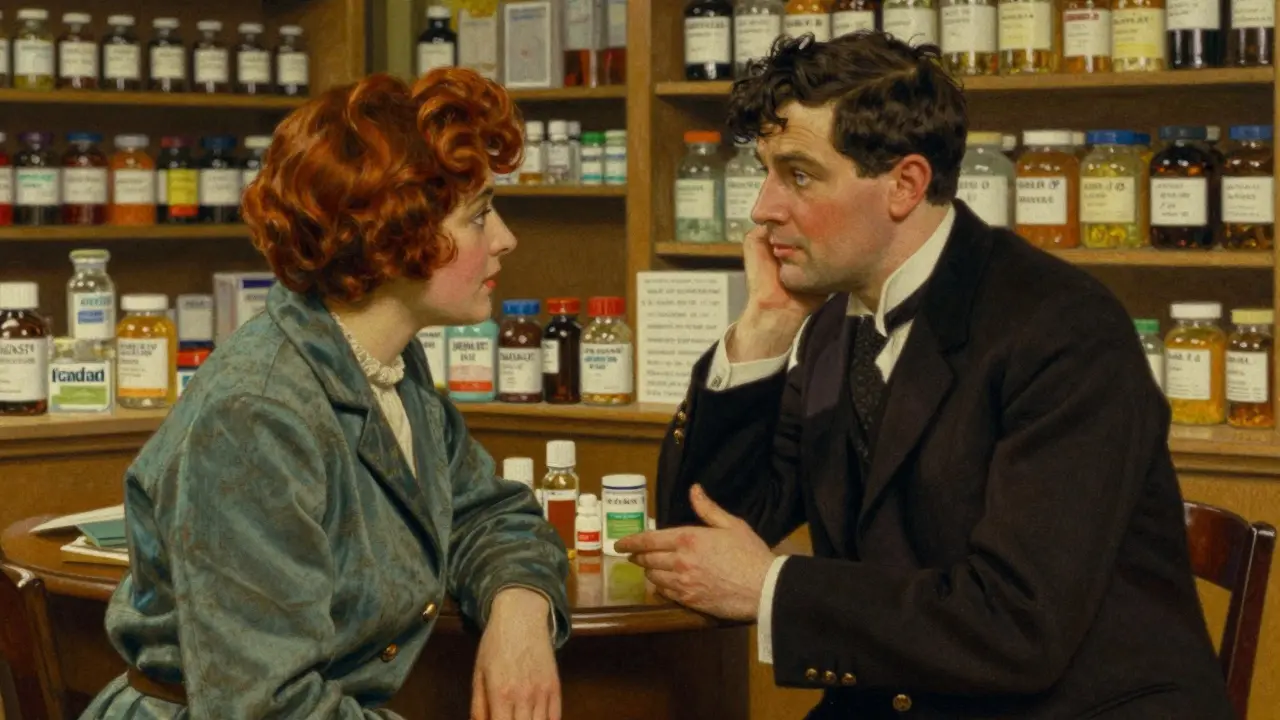
What to Do If You Spot an Error
If you notice a discrepancy-perhaps the pill color is different or the dose is higher than usual-do not leave the pharmacy. Addressing the error on the spot is the safest and most efficient path to a resolution.
Stay calm and polite. Say, "I noticed this pill looks different than my last refill. Could we double-check the stock bottle to make sure it's the correct medication?" This approach is collaborative rather than accusatory. The pharmacist will then perform a "look-back" in their system, checking the original prescription and the dispensing log to see if a mistake occurred.
If you discover the error after you have already left, call the pharmacy immediately. Do not take the medication. Document the error by taking a photo of the label and the medication, and report it to your prescribing physician. This helps your doctor understand why a treatment might not be working or why you might be experiencing new symptoms.
Is it rude to double-check my medication at the pharmacy?
Not at all. Pharmacists are trained to prioritize safety. In fact, they prefer patients who are engaged and observant because it adds an extra layer of safety to the dispensing process. Most professionals view a patient's questions as a sign of a responsible healthcare partner.
Why would the pill color change if it's the same drug?
This often happens when a pharmacy switches generic manufacturers. While the active ingredient remains the same, the inactive fillers or dyes can vary. However, you should always verify this with the pharmacist to ensure it isn't a dispensing error before taking the new pills.
What is medication reconciliation and why do I need it?
Medication reconciliation is the process of creating the most accurate list possible of all medications a patient is taking. It prevents errors like duplicate therapies (taking two drugs for the same thing) or dangerous interactions when a new drug is added to an existing regimen.
Should I bring my old medication bottles to the pharmacy?
Yes, especially for refills. Comparing the new bottle's label and the appearance of the medication to the previous one is an excellent way to spot typos in dosing or unexpected changes in the medication.
What should I do if the pharmacist refuses to counsel me?
You have a right to understand your medication. If a pharmacist is too busy, ask for a scheduled time or a separate consultation area. If they consistently refuse, you may want to consider switching to a pharmacy that prioritizes patient education and safety.
Next Steps for Your Safety Routine
To make this a permanent habit, start by printing a small checklist or saving a note on your phone that you can pull up every time you stand at the pharmacy counter. If you are helping an elderly parent or a child, act as their advocate by performing these checks for them.
For those with very complex needs, consider a medication synchronization program where all your prescriptions are filled on the same day. This reduces the number of trips to the pharmacy and gives you one dedicated window each month to perform a full review of your medications with the pharmacist.







Written by Martha Elena
I'm a pharmaceutical research writer focused on drug safety and pharmacology. I support formulary and pharmacovigilance teams with literature reviews and real‑world evidence analyses. In my off-hours, I write evidence-based articles on medication use, disease management, and dietary supplements. My goal is to turn complex research into clear, practical insights for everyday readers.
All posts: Martha Elena