
Stopping your medication because of side effects is one of the most common reasons treatment fails. But here’s the truth: side effects don’t always mean you need to quit. Many go away on their own. Others can be managed - without ditching the drug that’s helping you stay healthy. The key isn’t suffering through them. It’s knowing how to talk about them the right way.
Why You Shouldn’t Just Quit
About half of all people stop taking their meds as prescribed. Side effects are the top reason. But here’s what most don’t realize: 68% of common side effects - like nausea, dizziness, or fatigue - fade within two weeks as your body adjusts. Quitting too soon means you lose the benefit. For someone on blood pressure meds, that could mean a stroke. For someone on antidepressants, it could mean a relapse. Even antibiotics need to finish the full course to prevent resistant infections. The cost of stopping? Billions. The U.S. spends between $100 billion and $289 billion each year on avoidable hospital visits and worsening conditions because people quit their meds. That’s not just a statistic. It’s your health on the line.What to Do Before You Even Start
Don’t wait until you feel awful to speak up. Before you take your first pill, ask these three questions:- “What percentage of people actually experience this side effect?”
- “How long does it usually last?”
- “What can we do to reduce it?”
Track Your Symptoms Like a Pro
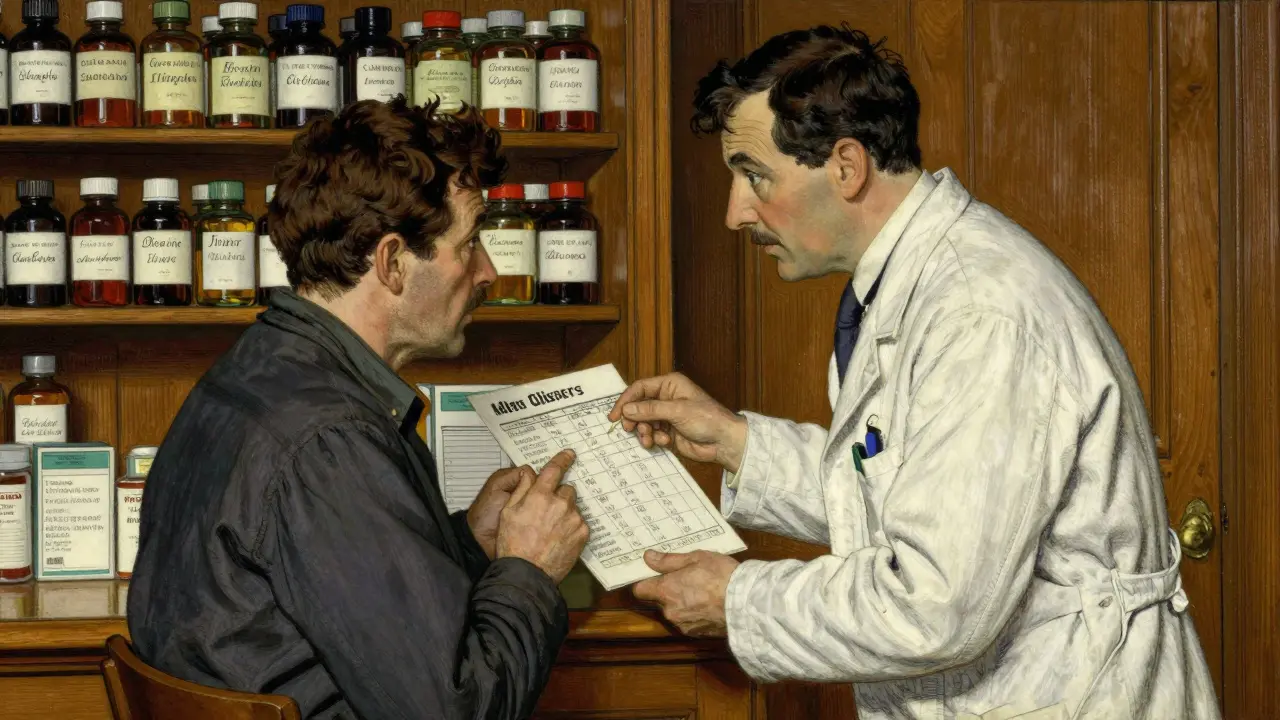
Writing things down changes everything. A 2021 study found that patients using a simple side effect tracker cut their chances of quitting meds by 23%. You don’t need an app. Just use a notebook or a notes app on your phone. Record:- When it happened (e.g., “30 minutes after morning pill”)
- How bad it was (rate it 1-10)
- What you were doing (ate? slept? stressed?)
- How it affected you (couldn’t work? skipped a meal? couldn’t sleep?)
Use the SWIM Framework to Talk to Your Doctor
Don’t say: “I feel awful.” That’s too vague. Instead, use SWIM:- Severity: “The nausea is a 7/10.”
- When: “It hits 45 minutes after I take it at 8 a.m.”
- Intensity: “I’ve missed two workdays because of it.”
- Management: “I’ve tried taking it with food, but it still hits hard.”
Reframe How You Think About Side Effects
Here’s the counterintuitive part: Sometimes, side effects mean the drug is working. A 2021 study found that when patients were told minor side effects like headaches or mild fatigue were “signs the treatment is active,” their anxiety dropped by 37%, and they were 29% less likely to quit. This isn’t sugarcoating. It’s science. For example, some antidepressants cause temporary jitteriness because they’re increasing serotonin. That’s not a failure - it’s the drug doing its job. Your doctor isn’t trying to make you suffer. They’re trying to help you heal.What You Can Try Right Now
You don’t have to wait for your next appointment. Here are 4 things you can do today:- Take your pill with a small snack. Nausea? Try it with a few crackers or a banana. Many people find this helps.
- Change the time of day. Dizziness? Try taking it at bedtime. Fatigue? Try it in the morning.
- Check your other meds. A 2022 study found that 32% of adverse reactions are caused by interactions. Bring your full list - even supplements - to your next visit.
- Call your pharmacist. They’re trained to handle this. No appointment needed. They’ve seen it all.

When It’s Time to Consider a Change
Not all side effects are temporary. Some are serious. You should never ignore:- Chest pain or trouble breathing
- Severe rash or swelling
- Thoughts of self-harm
- Unexplained bleeding or bruising
Why This Matters More Than You Think
Health systems are changing. Hospitals now get paid more when patients stay on their meds. That’s why Kaiser Permanente, Mayo Clinic, and others now have pharmacists dedicated to side effect management. They’re not just filling prescriptions. They’re coaching people how to stick with them. The future is personalized. In 2025, AI tools will predict your risk of side effects based on your genes and lifestyle. But right now, the best tool you have is your voice.Final Thought
You’re not weak for feeling side effects. You’re strong for wanting to keep going. The goal isn’t to be symptom-free. It’s to be healthy. And sometimes, that means riding out a rough patch - with the right plan, and the right conversation.What if my side effect doesn’t go away after two weeks?
If a side effect lasts longer than two weeks or gets worse, it’s time to revisit your doctor. Some side effects, like weight gain or sexual dysfunction, may not fade on their own. That doesn’t mean you need to quit - it means you need a new strategy. Your doctor might adjust your dose, switch you to a similar drug, or add another medication to offset the side effect. The key is to speak up before you give up.
Can I reduce my dose to avoid side effects?
Never reduce your dose on your own. Some medications, like blood thinners or seizure drugs, have very narrow safety ranges. Too little can be just as dangerous as too much. But you can ask your doctor if a lower dose might work. Many people find they can maintain benefits at a lower dose - especially after their body adjusts. Always do this with professional guidance.
Is it okay to stop a medication for a few days to reset?
No. Stopping abruptly can cause withdrawal symptoms, rebound effects, or even dangerous health events. For example, stopping blood pressure meds suddenly can spike your blood pressure. Antidepressants can cause brain zaps and severe mood swings. If you’re struggling, talk to your provider. They can help you taper safely - if needed - or switch you to a better option.
I’m embarrassed to talk about side effects like sexual dysfunction or weight gain. What should I do?
You’re not alone. These are among the most common reasons people stop taking meds - and the least talked about. Doctors hear this all the time. The best way to start is by saying, “I’m having trouble with X, and I’m worried it’s making me quit my medicine.” That’s enough. Most providers have solutions: switching drugs, adding a second medication, or adjusting timing. Your comfort matters. Your health matters more.
Do side effect trackers really work?
Yes. Studies show patients who track side effects are 23% less likely to quit their meds. Why? Because data beats emotion. When you can show your doctor, “I had dizziness on Tuesday, Thursday, and Saturday - always after 10 a.m.,” they can spot patterns you can’t. It turns a vague complaint into a solvable problem. Even a simple paper log works. The goal isn’t perfection - it’s clarity.




Written by Martha Elena
I'm a pharmaceutical research writer focused on drug safety and pharmacology. I support formulary and pharmacovigilance teams with literature reviews and real‑world evidence analyses. In my off-hours, I write evidence-based articles on medication use, disease management, and dietary supplements. My goal is to turn complex research into clear, practical insights for everyday readers.
All posts: Martha Elena