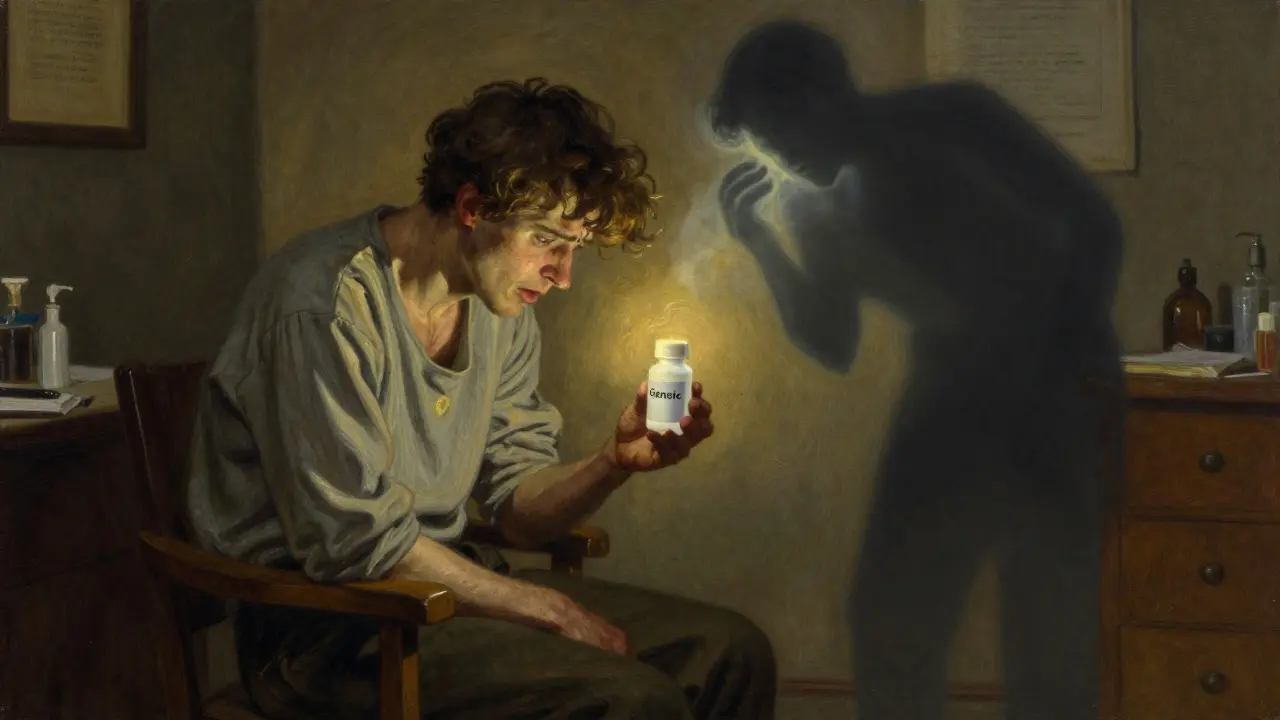
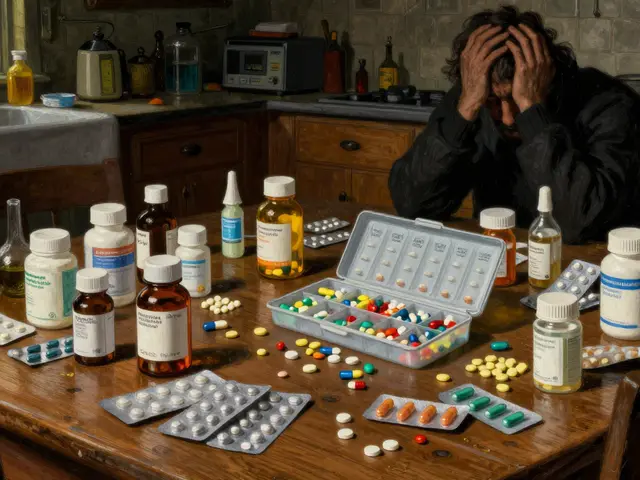
Switching from a brand-name drug to a generic version should be simple: same active ingredient, same dose, same effect. But for many people, it’s anything but simple. Some start feeling dizzy, nauseous, or achy-even though the medicine is chemically identical. What’s really happening isn’t a chemical reaction. It’s a psychological one. This is the nocebo effect: when negative expectations about a treatment trigger real physical symptoms.
What Is the Nocebo Effect?
The word comes from Latin-nocebo means “I shall harm.” It’s the dark twin of the placebo effect. Placebos make you feel better because you believe they will. Nocebos make you feel worse because you believe they will. And when it comes to generic medications, this isn’t just a theory. It’s a documented, measurable problem.Studies show that around 1 in 5 people taking a sugar pill in clinical trials report side effects. Almost 1 in 10 quit the study because of them. These aren’t imaginary symptoms. Brain scans show real activity in pain and anxiety centers when people expect harm. One study gave people an epidural and told half it would feel like “a bee sting.” The others were told it would be comfortable. The first group reported significantly more pain-even though the exact same drug was used.
With generics, the trigger is simple: “This isn’t the brand you’re used to.” Patients hear rumors. They read online forums. Their doctor says, “We’re switching you to a cheaper version,” with a tone that implies something’s off. Suddenly, a normal headache becomes “the new pill’s fault.” Fatigue? Must be the generic. Muscle soreness? Definitely the generic.
Real Cases: When Belief Turns to Symptoms
In New Zealand in 2017, doctors switched patients from a brand-name antidepressant to its generic equivalent. At first, adverse event reports stayed flat. Then the media ran stories questioning whether the generic “worked as well.” Within weeks, reports spiked. Not because the drug changed. Because people’s expectations did.
A 2013 study found that when patients were switched to generic antidepressants without context, 32% reported new side effects. In a control group told the switch was safe and effective, only 12% did. Another study showed patients told beta-blockers might cause sexual side effects were 3 to 4 times more likely to report them-even though the drug was the same as before.
One of the most striking examples? Statins. People blame statins for muscle pain. But in double-blind trials, the number of people reporting muscle aches is identical between those taking the real drug and those taking a sugar pill. The same pattern shows up with blood pressure meds, antidepressants, and even migraine treatments. The body isn’t reacting to the chemical. It’s reacting to the story.
Why Do People Believe Generics Are Worse?
It’s not just patients. Doctors, pharmacists, and even medical textbooks have, for decades, quietly reinforced the idea that generics are “lesser.” Phrases like “bioequivalent but not identical” or “may have different fillers” sound technical-but to a patient, they sound like warnings.
Pharmaceutical companies used to market brand-name drugs with glossy ads and emotional stories. Generics? Often just a plain white pill with a code on it. No branding. No narrative. That emptiness gets filled by fear.
Reddit threads are full of stories like: “I switched to generic venlafaxine and couldn’t sleep for weeks. Went back to the brand-instantly better.” In most cases, when researchers test these claims, the active ingredient is identical. The difference? The patient’s brain.
How Doctors and Pharmacies Make It Worse
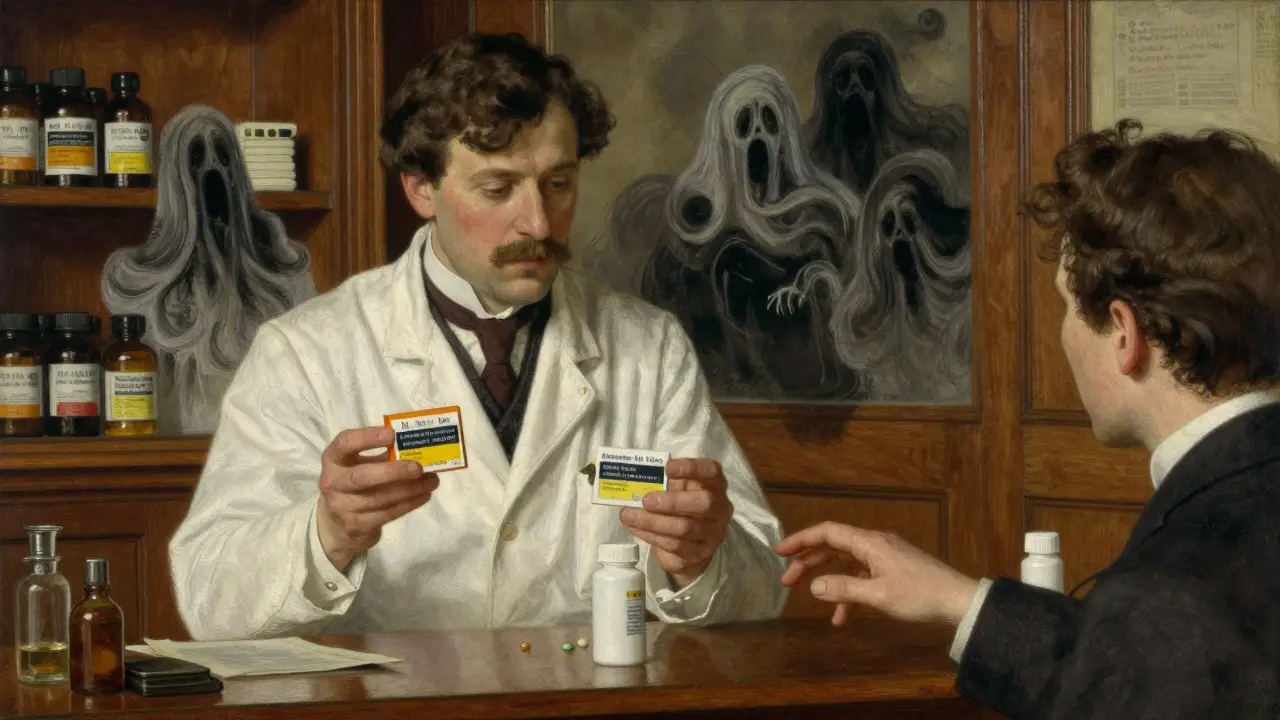
Communication matters. A study found that telling patients, “This is a generic version that might not work as well,” increased negative side effect reports by 65%. But saying, “This is the same medicine, just cheaper-works just as well,” cut reports by 37%.
Even small word choices matter. Saying “We’re changing your medication” feels abrupt. Saying “We’re switching you to an equivalent generic to save you money and still get the same results” changes everything.
Some clinics in the U.S. and Europe now train staff in “nocebo-aware communication.” They avoid mentioning differences in fillers, colors, or packaging. They don’t say “it’s not the brand.” They say “it’s the same medicine.” The result? Fewer dropouts. Fewer unnecessary returns to expensive brand-name drugs.
The Cost of Believing the Worst
This isn’t just about discomfort. It’s about money-and health.
Generics make up 90% of prescriptions in the U.S. but only 24% of drug spending. Why? Because people stop taking them. They blame side effects. They ask for the brand. Their doctor, unsure whether it’s a real reaction or a nocebo, writes the prescription anyway. That costs the U.S. healthcare system an estimated $1.2 billion a year.
People who quit their generic statin because they “felt worse” might end up with a heart attack they could’ve avoided. Those who stop antidepressants due to perceived side effects risk relapse. The nocebo effect doesn’t just cause headaches-it causes preventable crises.
Even regulatory agencies are stepping in. The FDA and EMA now require patient leaflets for generics to avoid language that suggests inferiority. Pfizer’s 2021 generic launch included redesigned patient materials that focused on equivalence-and saw a 22% drop in adverse event reports.

What You Can Do
If you’re being switched to a generic:
- Ask your doctor: “Is this the same medicine as before?” If they say yes, believe them.
- Don’t search online for “side effects of [generic name].” You’ll find horror stories. Most are nocebo responses.
- Notice your symptoms. Are they new? Or just things you’ve always felt-like tiredness or mild nausea? The body isn’t perfect. Medications don’t always cause every symptom you notice.
- Give it time. If symptoms appear in the first week, they often fade. Your brain is adjusting to a new pill shape, not a new drug.
- If you’re really worried, ask for the brand. But know this: if you switch back and feel better, it’s likely your mind, not your chemistry.
If you’re a healthcare provider:
- Don’t say “this is generic.” Say “this is the same medicine, just less expensive.”
- Explain bioequivalence: “It’s tested to work the same way in your body.”
- Don’t mention fillers or colors unless asked. They’re irrelevant to effectiveness.
- Ask patients: “Have you heard anything about this medicine before?” Listen. Then correct myths.
The Future: Fighting Nocebo With Science
Researchers are now using AI to personalize how patients receive information about generics. A 2023 trial showed that when an AI tool adjusted its message based on a person’s beliefs-like their fear of side effects or trust in big pharma-it reduced nocebo responses by 41%.
Scientists are also looking at genetics. Early findings suggest people with certain variations in the COMT gene may be more prone to nocebo effects. This could lead to tailored counseling in the future.
By 2025, 75% of healthcare systems that use generics are expected to have formal training programs to reduce nocebo effects. That’s not just progress-it’s a lifesaver.
At the end of the day, a pill is just a pill. But what we believe about it? That’s what changes our body.
Are generic medications really the same as brand-name ones?
Yes. By law, generics must contain the same active ingredient, strength, dosage form, and route of administration as the brand-name drug. They’re tested to ensure they work the same way in the body. The only differences are inactive ingredients-like fillers or dyes-which don’t affect how the medicine works.
Can the nocebo effect cause real physical harm?
Yes. While nocebo symptoms aren’t caused by chemicals, they’re real physiological responses. Stress, anxiety, and expectation activate the nervous system, release cortisol, raise heart rate, and trigger pain pathways. People have fainted, developed rashes, or had panic attacks because they believed a pill would make them sick-even when it was a sugar pill.
Why do some people feel worse after switching to generics even if they’ve taken them before?
It’s often about context. If you’ve taken a generic before without issue, but now you’re told “this one might be different” or “it’s a new manufacturer,” your brain starts scanning for problems. You notice normal body sensations-like morning fatigue or a headache-and attribute them to the pill. This is called heightened awareness, and it’s a core part of the nocebo effect.
Is it safe to go back to a brand-name drug if I think the generic isn’t working?
Yes-if your doctor agrees. But if you feel better after switching back, it doesn’t automatically mean the generic was ineffective. Often, the improvement comes from reduced anxiety. Studies show people who return to brand-name drugs after stopping generics due to side effects frequently report the same symptoms again if they’re switched back to the generic-even if they’re told it’s the same medicine.
How can I tell if my side effects are from the drug or from the nocebo effect?
There’s no single test, but here’s a clue: if symptoms appear shortly after you hear negative information about the drug, or if they’re vague (fatigue, headache, nausea) and don’t match the known side effect profile, it’s likely nocebo. Real drug side effects usually follow a pattern: they start within hours or days, are consistent, and match clinical data. Nocebo symptoms often come and go with your attention to them.




Written by Martha Elena
I'm a pharmaceutical research writer focused on drug safety and pharmacology. I support formulary and pharmacovigilance teams with literature reviews and real‑world evidence analyses. In my off-hours, I write evidence-based articles on medication use, disease management, and dietary supplements. My goal is to turn complex research into clear, practical insights for everyday readers.
All posts: Martha Elena