
Understanding the Migraine Storm
Imagine waking up with a pounding headache that feels like a drum beating inside your skull. You can’t stand the light from the curtains fluttering, and even the sound of a clock ticking seems to echo in your ears. This isn’t just a bad headache; it is a migraine, a complex neurological disorder characterized by recurrent moderate to severe headaches, often accompanied by nausea, vomiting, and sensitivity to light and sound. If you have experienced this, you know that standard painkillers often do little more than sit uselessly in your stomach while the world spins.
Migraines affect approximately 12% of the U.S. population, with women experiencing them three times more frequently than men. The exact cause remains incompletely understood, but research indicates migraines involve 'a series of cortical, meningeal, and brainstem events, provoking inflammation in the pain-sensitive meninges and resulting in headaches through central and peripheral mechanisms.' When a person experiences a migraine, specific nerves in blood vessels send pain signals to the brain, releasing inflammatory substances into the head's nerves and blood vessels. This neurological cascade makes personalized management essential for effective treatment.
The Threshold Theory: Why Migraines Strike
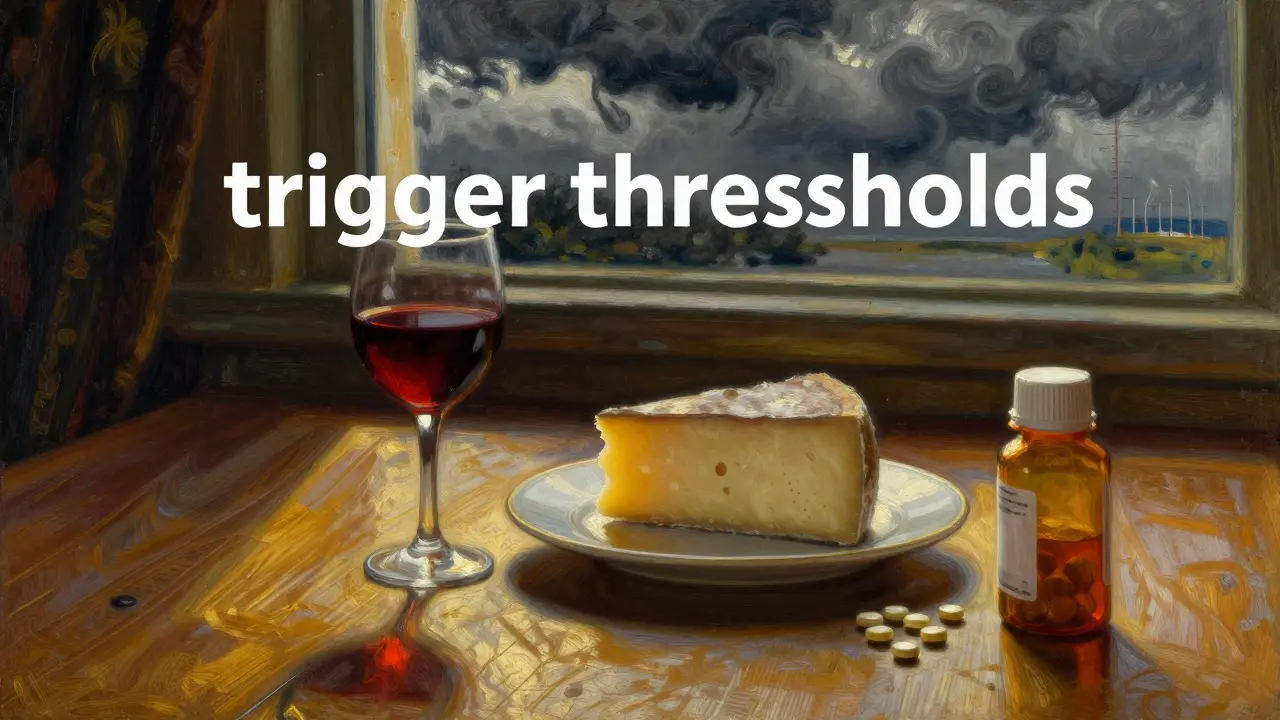
To understand why migraines happen, think of your brain as having a 'trigger threshold.' This concept explains why multiple factors often combine to initiate attacks. While one factor alone might not cause an attack, two or three together may push you over the threshold. Your threshold shifts up or down depending on various influences, such as hormonal changes or illness. Understanding this helps explain why seemingly minor changes can lead to debilitating symptoms.
- Stress: Affects 50-80% of sufferers. Interestingly, some experience 'let-down migraines' when stress subsides, such as at the weekend or on holiday.
- Sleep Disturbances: Irregular schedules, poor-quality sleep, or oversleeping can provoke attacks. Nearly half of all migraine attacks occur between 4:00 am and 9:00 am.
- Hormonal Changes: Impact 65% of cases during menstruation, ovulation, and pregnancy.
- Weather: Affects 53% of individuals, including barometric pressure changes, seasonal shifts, and humidity.
Identifying Your Unique Triggers
One of the most frustrating aspects of living with migraines is the unpredictability. However, expert consensus strongly emphasizes trigger identification through systematic tracking. Keeping a headache diary can help pinpoint individual migraine triggers. Many people find it’s a change in their usual routine that triggers an attack, highlighting the importance of consistency in daily patterns.
| Trigger Category | Specific Examples | Prevalence/Notes |
|---|---|---|
| Dietary | Alcohol (especially wine), caffeine withdrawal, aspartame, MSG, aged cheese, cured meats | Individual responses vary considerably; caffeine has a dual role. |
| Environmental | Bright/flickering lights, loud/harsh noises, strong odors (cooking, fragrances, smoke) | Sensory stimuli can precipitate attacks quickly. |
| Lifestyle | Inconsistent sleep, missed meals, dehydration, intense physical exertion | Consistency is key to prevention. |
Preventive Medications: Stopping Attacks Before They Start
While lifestyle modifications are crucial, they are often not enough for those with frequent or severe attacks. This is where preventive medications come into play. These drugs aim to reduce the frequency, severity, and duration of migraines. Current clinical understanding includes several classes of preventive medications:
- Beta-blockers: Drugs like propranolol and timolol are often first-line treatments. They work by relaxing blood vessels and reducing nerve activity.
- Anticonvulsants: Topiramate and valproate help stabilize electrical activity in the brain, preventing the cascading nerve signals that lead to pain.
- Tricyclic Antidepressants: Amitriptyline is used not for depression in this context, but for its ability to modulate pain pathways in the brain.
- CGRP Monoclonal Antibodies: Newer agents like erenumab and fremanezumab target calcitonin gene-related peptide (CGRP), a protein involved in migraine pathophysiology. These represent a significant advancement in targeted therapy.
Choosing the right preventive medication requires working closely with a healthcare provider. Factors such as side effects, other health conditions, and individual response patterns guide this decision. It’s important to note that these medications take time to work-often weeks or months-and require consistent use.
Acute Care: Managing an Attack in Progress
When a migraine strikes despite preventive measures, acute care strategies focus on symptomatic relief and minimizing disability. The goal is to stop the attack early, ideally during the prodrome phase before full-blown pain sets in. Acute treatments typically involve:
- Triptans: Sumatriptan and rizatriptan are widely used. They constrict blood vessels and block pain pathways in the brain.
- NSAIDs: Nonsteroidal anti-inflammatory drugs like ibuprofen or naproxen can be effective for mild to moderate attacks.
- Gepants: Newer options like ubrogepant and rimegepant block CGRP receptors without causing vasoconstriction, making them suitable for patients with cardiovascular risks.
- Anti-nausea medications: Metoclopramide or prochlorperazine can help manage associated gastrointestinal symptoms.
Timing is critical. Taking acute medication too late can reduce its effectiveness. Additionally, overusing acute medications (more than 10-15 days per month) can lead to medication-overuse headaches, creating a vicious cycle. Therefore, balancing acute and preventive strategies is vital.
Lifestyle Modifications: The Foundation of Management
Medications alone rarely solve the problem entirely. Integrating behavioral approaches creates a robust defense against migraines. Here are practical steps you can take today:
- Maintain a Consistent Sleep Schedule: Go to bed and wake up at the same time every day, even on weekends.
- Stay Hydrated: Dehydration is a common trigger. Aim for adequate fluid intake throughout the day.
- Eat Regular Meals: Skipping meals causes blood sugar fluctuations, which can trigger attacks.
- Manage Stress: Techniques like mindfulness, yoga, or cognitive-behavioral therapy can lower your overall stress burden.
- Avoid Known Dietary Triggers: Keep a food diary to identify specific culprits like aged cheeses, processed meats, or artificial sweeteners.
Remember, what works for one person may not work for another. Personalization is key. Start small, track your progress, and adjust as needed.
When to Seek Professional Help
If you experience new or changing headache patterns, seek medical attention promptly. Red flags include:
- Headaches that worsen suddenly or severely
- Neurological symptoms like weakness, numbness, or vision loss
- Fever, stiff neck, or confusion accompanying the headache
- Headaches following head trauma
Early diagnosis and intervention can prevent complications and improve quality of life. Don’t hesitate to consult a neurologist or headache specialist if over-the-counter remedies fail.
What is the difference between a tension headache and a migraine?
Tension headaches typically present as a dull, aching sensation across the forehead or back of the head and neck. They are usually mild to moderate and not associated with nausea or sensitivity to light/sound. Migraines, however, are moderate to severe, often unilateral, and accompanied by additional symptoms like nausea, vomiting, photophobia, and phonophobia. Migraines also involve complex neurological processes beyond simple muscle tension.
Can caffeine help or hurt my migraines?
Caffeine has a dual role. For some, it enhances the effectiveness of acute medications and provides temporary relief. For others, excessive consumption or sudden withdrawal can trigger attacks. Consistency is key-if you consume caffeine regularly, avoid abrupt cessation. Discuss your caffeine habits with your doctor to determine the best approach for your situation.
How long does it take for preventive medications to work?
Preventive medications generally take several weeks to months to show full effect. Beta-blockers and anticonvulsants may require 4-8 weeks, while CGRP monoclonal antibodies might show benefits within the first few injections. Patience and consistent use are essential. Your doctor will monitor your response and adjust dosages or switch medications if necessary.
Is there a cure for migraines?
Currently, there is no definitive cure for migraines. However, many people achieve significant reduction in frequency and severity through a combination of preventive medications, acute treatments, and lifestyle modifications. Advances in neuroscience continue to offer hope for more effective therapies in the future.
What should I do during a migraine attack?
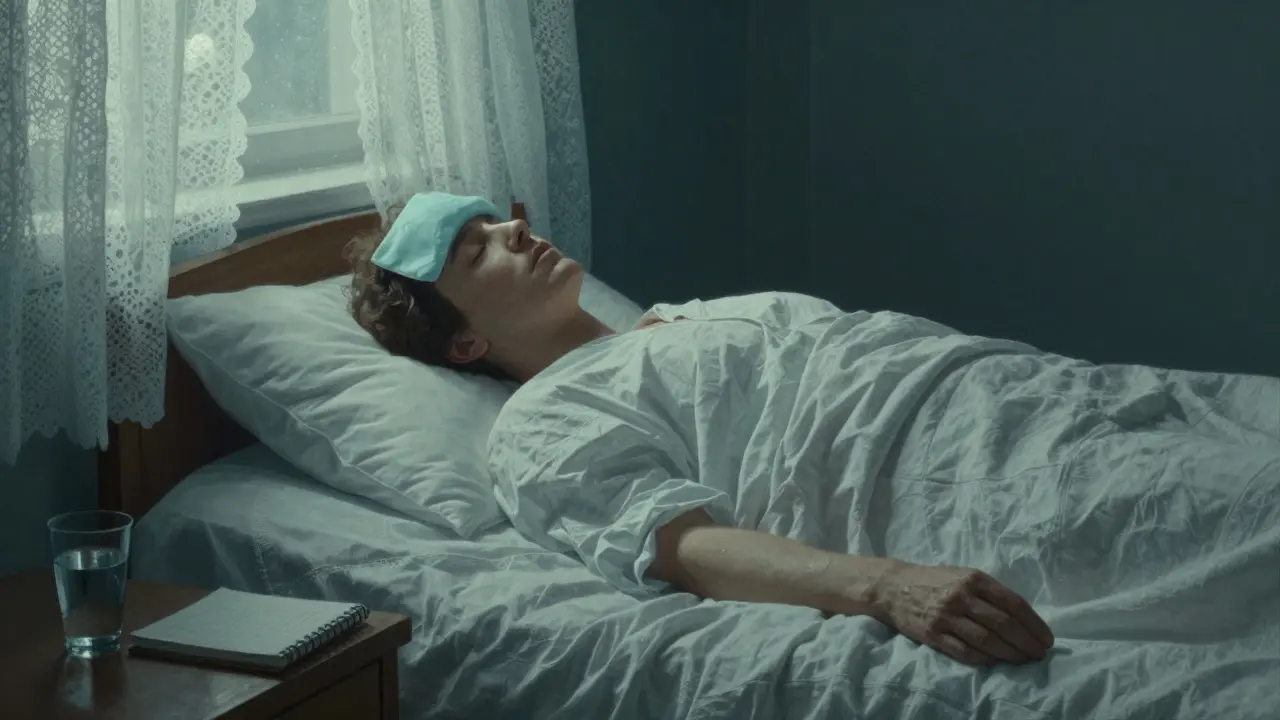
Find a quiet, dark room to rest. Apply a cold compress to your forehead or neck. Take prescribed acute medication as soon as possible. Stay hydrated. Avoid screens and bright lights. If you vomit, try to keep small sips of water or clear fluids. Document the attack in your diary afterward to identify potential triggers.



Written by Martha Elena
I'm a pharmaceutical research writer focused on drug safety and pharmacology. I support formulary and pharmacovigilance teams with literature reviews and real‑world evidence analyses. In my off-hours, I write evidence-based articles on medication use, disease management, and dietary supplements. My goal is to turn complex research into clear, practical insights for everyday readers.
All posts: Martha Elena