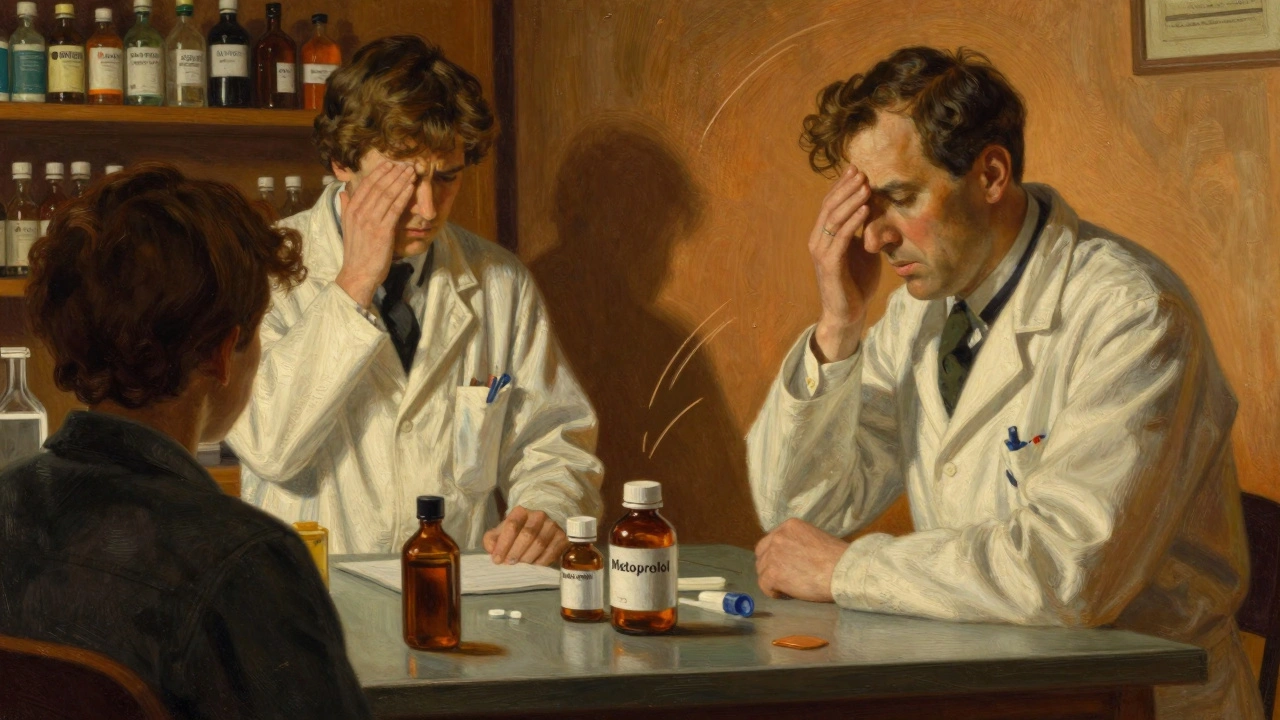
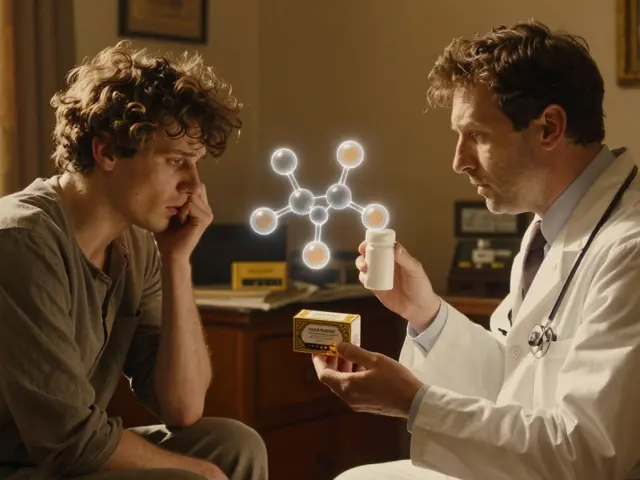
Every year, over 1.3 million people in the U.S. are injured because of something gone wrong with their medication. Some of these cases are mistakes-like giving the wrong dose or the wrong pill. Others are side effects-expected, known reactions that come with the drug itself. But here’s the problem: medication errors and drug side effects are often mixed up, even by healthcare pros. And that confusion can cost lives.
What’s a Medication Error?
A medication error isn’t about the drug being bad. It’s about something going wrong in the process. Think of it like a typo in a recipe. The ingredients are fine, but you added salt instead of sugar. That’s an error. The World Health Organization defines it as: any preventable mistake that leads to inappropriate medication use or patient harm. These mistakes can happen anywhere: when a doctor writes the prescription, when a pharmacist fills it, when a nurse gives it, or even when a patient takes it wrong. Common medication errors include:- Wrong dose (32.7% of all errors)
- Wrong drug (e.g., giving metoprolol instead of metformin)
- Wrong route (giving a pill by mouth when it’s meant to be injected)
- Wrong patient (giving someone else’s medication)
- Wrong timing (giving a drug 4 hours late instead of every 8 hours)
- Expired medication (1.2% of dispensing errors)
- Incorrect strength (especially dangerous in kids-17.2% of pediatric errors)
What’s a Drug Side Effect?
A side effect is a known, predictable reaction to a drug that isn’t the main goal of taking it. It’s not a mistake. It’s part of how the drug works. For example:- Statins can cause muscle aches.
- Antidepressants like SSRIs often cause nausea or sexual dysfunction.
- Chemo drugs almost always cause hair loss.
- Minoxidil (for high blood pressure) causes hair growth-so now it’s also used for baldness.
What’s an Adverse Drug Reaction (ADR)?
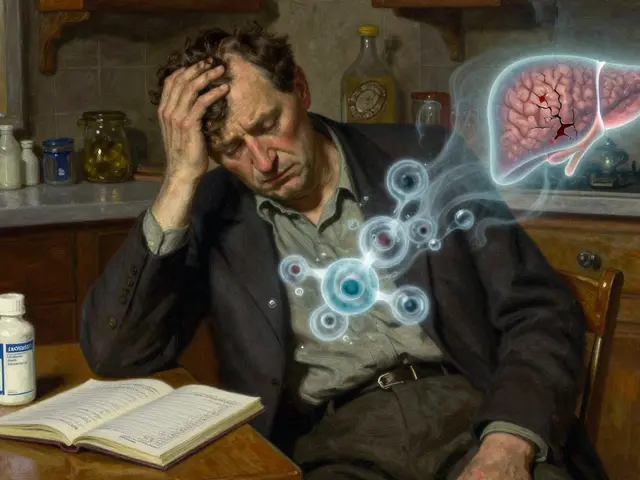
You might hear “side effect” and “ADR” used interchangeably. But they’re not the same. An adverse drug reaction is a harmful, unintended response to a drug taken correctly at normal doses. It’s not a mistake. The drug was given right. But the body reacted badly. ADRs split into two types:- Type A (80% of cases): Predictable, dose-related. Like liver damage from too much acetaminophen. These are often side effects that got worse.
- Type B (15% of cases): Unpredictable, not dose-related. Like a severe allergic reaction to penicillin. These are rare but dangerous-up to 10% of Type B reactions are fatal.
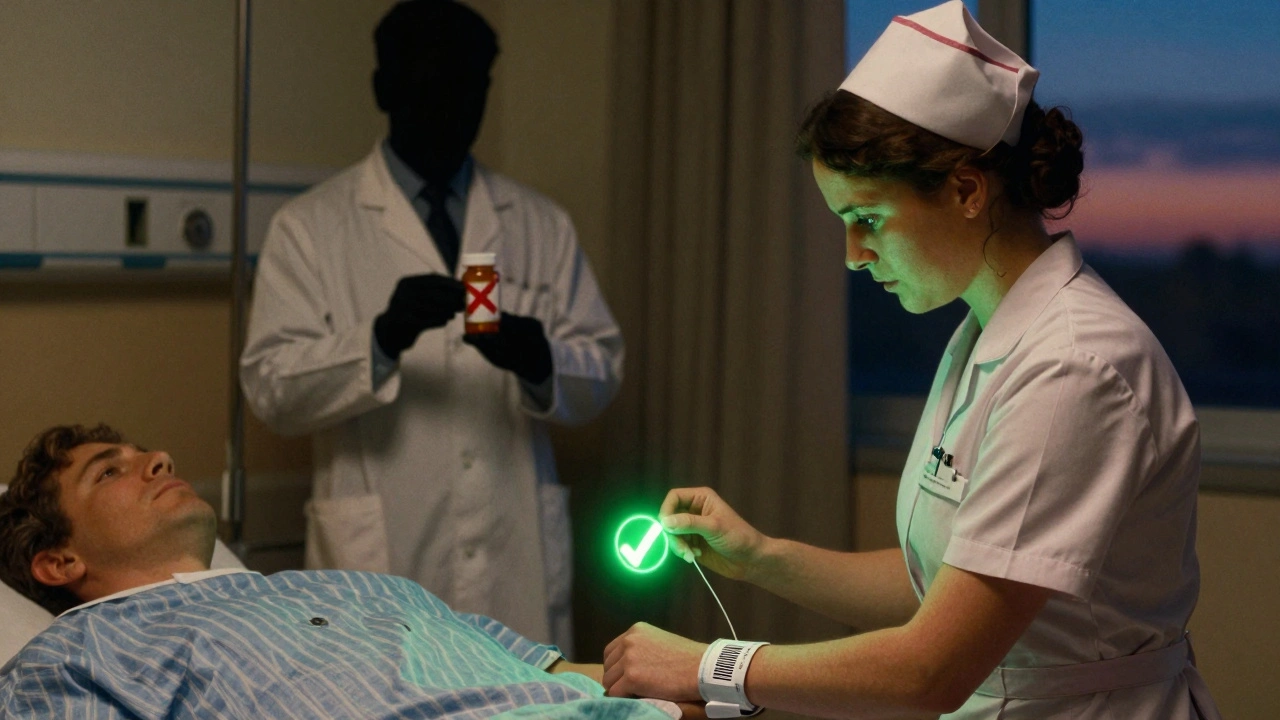
How to Tell Them Apart: A Simple 5-Step Check
When something goes wrong after a patient takes a drug, ask these five questions:- Did harm happen? If not, it’s a near miss or potential error-not an event yet.
- Was the drug given as prescribed? If yes → it’s likely an ADR or side effect. If no → it’s a medication error.
- Is this reaction listed in the drug’s official documentation? If yes → it’s a known side effect. If no → it might be an unexpected ADR.
- Is the reaction linked to the dose? If the reaction got worse when the dose went up → it’s likely a Type A ADR. If it happened at a normal dose with no clear pattern → it’s Type B.
- Could this have been prevented? If yes → it’s a medication error. If no → it’s an ADR.
Why Mixing Them Up Is Dangerous
When a medication error gets labeled as a “side effect,” two things happen:- The system doesn’t fix the broken process. The wrong dose keeps getting written. The barcode scanner stays turned off.
- The drug gets blamed instead of the system. That can lead to drugs being pulled from the market unnecessarily.

What’s Being Done to Fix This?
Hospitals are using tech to cut errors:- Barcode scanning at the bedside cuts administration errors by 57%.
- Computerized prescribing (CPOE) with alerts stops dangerous drug combos.
- Smart infusion pumps prevent IV drips from running too fast.
- Using clear, standardized labels (no more “QD” or “U” for units-those are dangerous abbreviations).
- Training every staff member-not just pharmacists-to spot errors before they happen.
- Encouraging reporting without fear. If nurses think they’ll get fired for reporting a mistake, they’ll call it a “side effect” instead.
What You Can Do
You don’t need to be a doctor to help prevent harm.- Know your meds. Write down the name, dose, and why you’re taking each one. Ask your pharmacist: “Is this supposed to cause dizziness?”
- Ask questions. “Is this the same as what I took last time?” “Why are we giving this now?”
- Report anything unusual. If you feel worse after a new drug, say so. Don’t assume it’s “just a side effect.”
- Use one pharmacy. That way, your full drug list is in one place. They can catch interactions.
- Bring a list to every appointment. Include supplements, OTC drugs, and even herbal teas.
The Bottom Line
Medication errors are preventable. Drug side effects are expected. Adverse drug reactions are harmful-and sometimes unavoidable. The difference isn’t just academic. It’s life or death. When you confuse a mistake with a reaction, you miss the chance to fix what’s broken. And that’s how preventable harm keeps happening. The goal isn’t to eliminate all drug reactions. That’s impossible. But we can eliminate the mistakes. And we should.Can a side effect turn into a medication error?
No, a side effect can’t turn into a medication error-they’re different categories. But a side effect can be made worse by a medication error. For example, if you’re on a drug that causes drowsiness (a side effect), and someone gives you a double dose (an error), the drowsiness becomes more severe. The error didn’t change the side effect-it just made it worse.
Are all side effects harmful?
No. Many side effects are mild or even helpful. For instance, the weight gain from some antidepressants might be acceptable if it helps someone eat again after depression. Or the hair growth from minoxidil, originally a side effect of a blood pressure drug, is now used to treat baldness. The key is whether the effect is expected and whether the benefit outweighs the discomfort.
Why do some people say “side effect” and others say “adverse drug reaction”?
“Side effect” is a casual term used by patients and even some providers to describe any unwanted effect. But in medical and safety circles, “adverse drug reaction” is the preferred term because it emphasizes harm and avoids minimizing risk. The FDA and professional groups now recommend avoiding “side effect” in official records to prevent underreporting of serious reactions.
Can a medication error cause an adverse drug reaction?
Yes, but they’re still two separate things. A medication error (like giving too much of a drug) can trigger a reaction that looks like an ADR. For example, giving a high dose of insulin by mistake can cause dangerously low blood sugar. That’s an error causing a Type A ADR. The error is preventable; the reaction is the result. Both need to be reported separately.
How common are medication errors in hospitals?
Studies show that medication errors occur in about 1 in every 5 hospital doses. But only about 1% of those cause harm. Still, that adds up to hundreds of thousands of injuries a year. The most common errors are wrong dose, wrong drug, and wrong timing. Barcode systems and electronic prescribing have cut these rates by 30-50% in hospitals that use them properly.
What’s the biggest risk factor for medication errors?
Polypharmacy-taking five or more medications-is the biggest risk. The more drugs someone takes, the higher the chance of interactions, dosing mistakes, or confusion. Elderly patients are especially vulnerable. About 40% of older adults take five or more prescription drugs, and nearly half of all medication errors in hospitals happen to patients over 65.



Written by Martha Elena
I'm a pharmaceutical research writer focused on drug safety and pharmacology. I support formulary and pharmacovigilance teams with literature reviews and real‑world evidence analyses. In my off-hours, I write evidence-based articles on medication use, disease management, and dietary supplements. My goal is to turn complex research into clear, practical insights for everyday readers.
All posts: Martha Elena