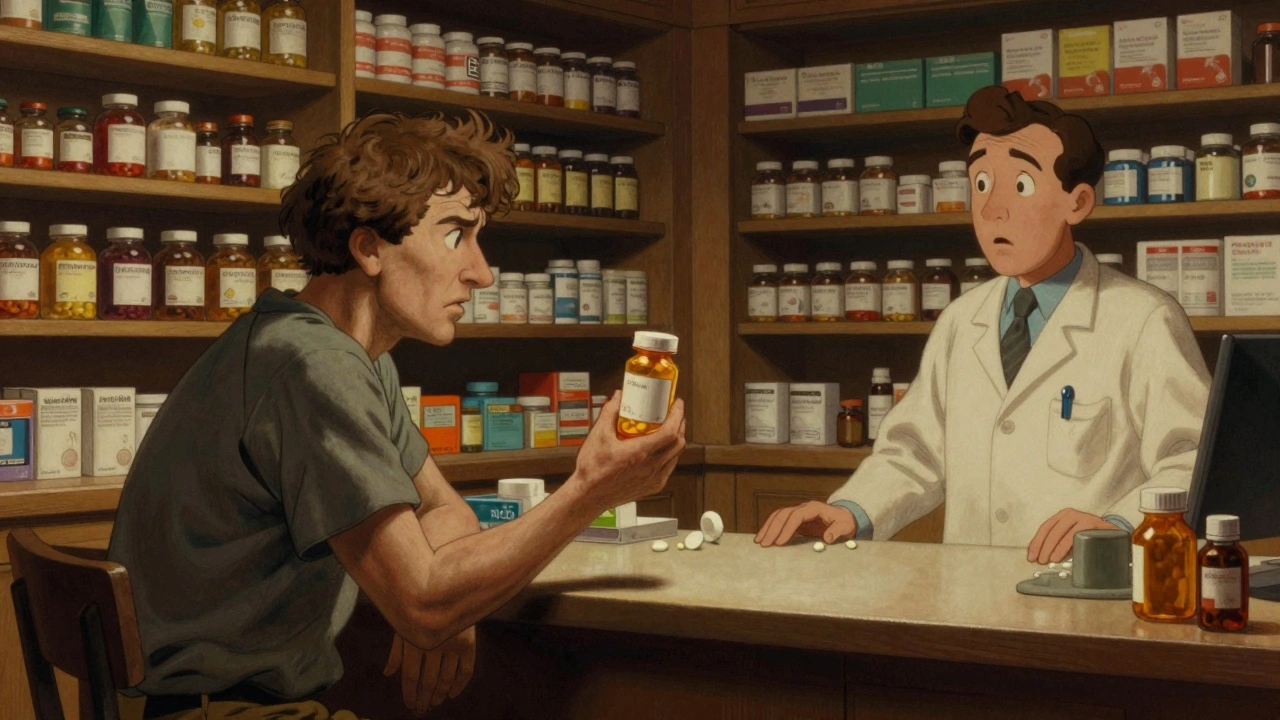
Getting the wrong medication-or the wrong dose-isn’t just a mistake. It’s a safety crisis. Every year, over 1.3 million people in the U.S. are injured because of medication errors. Many of these errors go unreported-not because people don’t notice, but because they don’t know how to speak up. If you’ve seen a label that doesn’t match your prescription, felt strange after taking a pill, or noticed a nurse handing you the wrong drug, you’re not overreacting. You’re doing the right thing by wanting to report it.
Recognize the Error First
Before you report anything, make sure it’s actually an error. Medication mistakes come in many forms:- You were given a drug you’re allergic to
- The pill looks different than your last refill
- The dosage is higher or lower than your doctor ordered
- The instructions say to take it twice a day, but you were told once
- You were given someone else’s medication
- You experienced new symptoms right after starting a new drug
Start with Your Provider
Your first stop should be the person or place that gave you the medication. That could be your doctor’s office, the pharmacy, or the hospital unit. Call or visit and say clearly: “I believe there was a medication error, and I want to report it.” Don’t soften it with “I’m not sure, but…” or “Maybe I’m wrong.” You’re not guessing-you’re reporting a potential safety issue. Ask for the provider’s name and title. Write it down. If they brush you off, say: “I need to document this for my safety record. Can you help me file a report?” Most providers have internal systems to log these incidents. They’re required to track them-even if they don’t always act on them right away.Gather Your Evidence
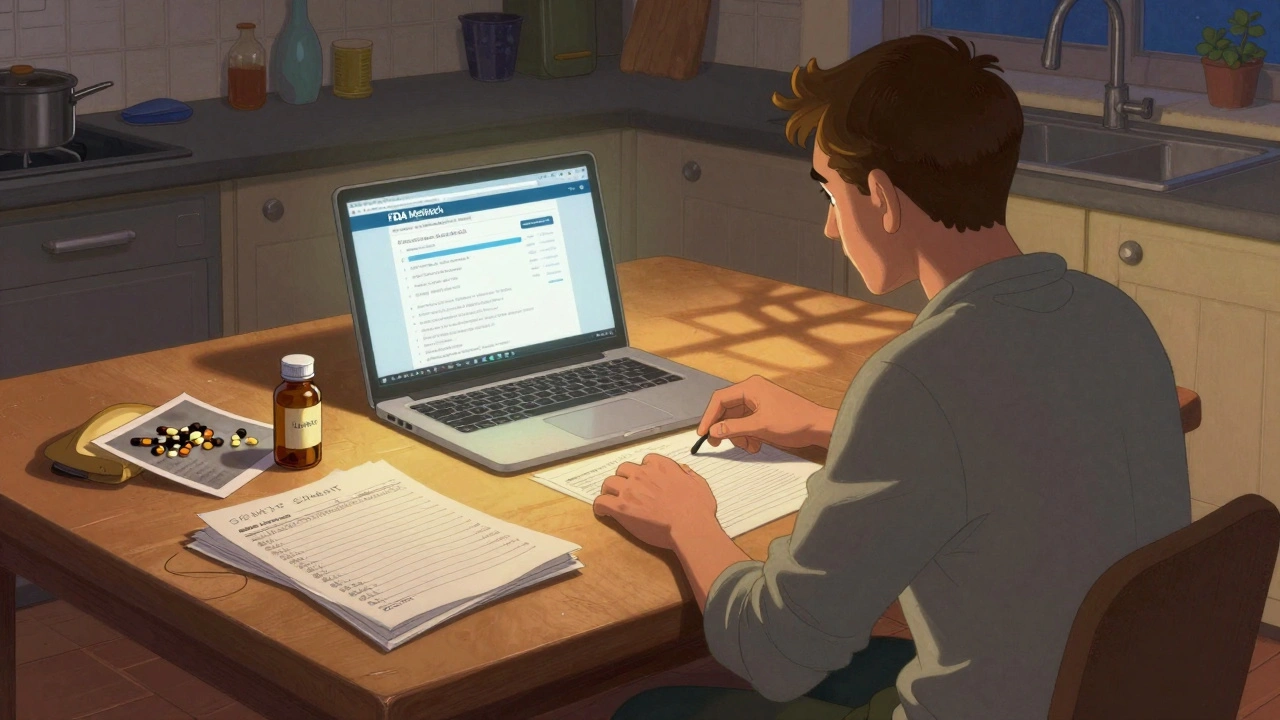
You can’t report what you can’t prove. Collect everything:- The original medication container with the pharmacy label
- Any prescription paperwork or email from your doctor
- Photos of the pill, label, or any physical reaction (rash, swelling, bruising)
- A symptom log: date, time, what you took, what you felt, how long it lasted
- Names of staff involved (nurse, pharmacist, doctor)
Know Your Reporting Options
You have choices. Each one serves a different purpose:1. Internal Facility Report
Every hospital, clinic, and pharmacy has an internal safety reporting system. This is the fastest way to get local fixes-like retraining staff or changing labeling procedures. But here’s the catch: if the culture is punitive, people won’t report. That’s why you need to be clear: “I’m reporting this to help prevent it from happening to someone else.” That shifts the focus from blame to improvement.2. FDA MedWatch
This is the federal system for reporting medication problems. You don’t need to be a doctor. Anyone can file. MedWatch handles about 140,000 reports a year. If enough people report the same error-like a mislabeled insulin pen-the FDA can issue a nationwide recall. The online form takes less than 10 minutes now. You’ll need:- Your name and contact info (you can report anonymously)
- Name of the medication
- What went wrong (wrong dose, wrong drug, wrong patient, etc.)
- What happened to you (side effects, hospitalization, etc.)
- Any photos or documents you have
3. Institute for Safe Medication Practices (ISMP)
ISMP runs a confidential, non-punitive reporting system used by thousands of healthcare workers. They don’t share your name. They analyze trends and publish safety alerts that hospitals use to fix systems. In 2022 alone, they processed over 12,500 reports-and 67% led to public safety alerts. Their reports are especially powerful because they’re reviewed by pharmacists and safety experts who know exactly what to look for. Submit at ISMP.org.4. School or Long-Term Care Settings
If the error happened in a school, nursing home, or assisted living facility, report it to the administrator immediately. In 48 states, schools are legally required to document medication incidents within 24 hours. Ask for a copy of the incident report. If they don’t give you one, file a complaint with your state’s Department of Education or Health Services.What to Do If You’re Ignored
Too many people get told: “It’s not a big deal.” “It was a one-time mistake.” “We’ll fix it internally.” But if you don’t escalate, the same error could happen again. If your provider dismisses you:- Ask to speak with a patient advocate or safety officer
- Send a written summary via email or certified mail-keep a copy
- File a report with the FDA or ISMP anyway
- Contact your state’s health department or licensing board
Why Reporting Matters
You might think: “One report won’t change anything.” But that’s not true. A 2023 study found that healthcare organizations that actively use error reports to fix systems reduce repeat errors by up to 75%. The FDA recalled a popular blood pressure medication in 2023 after just 17 patient reports flagged inconsistent dosing. A pharmacy chain changed its labeling system nationwide after one parent reported her child got the wrong asthma inhaler. Reporting isn’t about getting someone in trouble. It’s about making sure the next person doesn’t have to go through what you did.
Common Mistakes to Avoid
- Waiting too long. The sooner you report, the more accurate your memory-and the faster fixes can happen.
- Not documenting symptoms. Vague complaints like “I felt weird” are hard to act on. Write down specifics: “Headache started 2 hours after taking pill, lasted 6 hours, felt like pressure behind eyes.”
- Assuming the provider will report it. Only 14% of nurses report all errors internally. Don’t rely on them to speak up for you.
- Using social media as your only channel. A viral post might get attention, but it won’t trigger a formal safety review. Use it to raise awareness, but always file the official report.
What Happens After You Report?
You won’t always get a call back. The FDA receives thousands of reports. ISMP sends out alerts, but not individual replies. That doesn’t mean your report didn’t matter. If you filed with your provider, they’re required to review it internally. If it’s serious, they may contact you for more info. If you filed with the FDA, you might get a confirmation email-but don’t expect a detailed response. That’s normal. Your job is done once you’ve submitted. The system’s job is to act on it.Final Thought: You’re Not a Problem-You’re a Solution
Medication errors aren’t caused by bad people. They’re caused by broken systems: rushed pharmacies, unclear labels, poor communication, tired staff. When you report, you’re not accusing someone. You’re helping fix the machine. The most effective safety systems aren’t the ones with the most rules. They’re the ones where patients feel safe speaking up. So if you saw something wrong-say something. Write it down. Send it in. Someone else’s life could depend on it.What should I do if I think I was given the wrong medication?
Stop taking the medication immediately. Call your provider or pharmacist to confirm the correct drug and dosage. Save the original container and take a photo of the label. Write down any symptoms you’ve experienced. Then file a report with your provider and consider submitting a report to the FDA’s MedWatch program.
Can I report a medication error anonymously?
Yes. Both the FDA’s MedWatch and the Institute for Safe Medication Practices (ISMP) allow anonymous reporting. You don’t need to give your name to file a report. However, providing contact information helps them follow up if they need more details.
How long do I have to report a medication error?
There’s no legal deadline for patients to report. But the sooner you report, the better. Internal healthcare facilities usually require reports within 24 to 72 hours. The FDA encourages reporting as soon as possible-especially if the error caused harm. Delayed reports make it harder to investigate and prevent future incidents.
Will reporting a medication error get me or my provider in trouble?
Reporting is not about blame-it’s about safety. Under a “just culture” model used by most hospitals, human errors are treated as system failures, not personal failures. Most providers are trained to respond with improvement, not punishment. In fact, non-punitive reporting cultures increase reporting rates by 300-400%, which helps everyone stay safer.
What’s the difference between reporting to my provider and reporting to the FDA?
Reporting to your provider helps fix the issue locally-like correcting a labeling mistake or retraining staff. Reporting to the FDA helps fix the issue nationally. If multiple people report the same error with the same drug, the FDA can issue a recall, update labeling, or require manufacturer changes. Both are important. Use both if possible.
Do I need medical records to report a medication error?
You don’t need them to file a report, but they make your report stronger. Request your medication administration record (MAR) from your provider. It shows exactly what was ordered versus what was given. If you can’t get it quickly, still report-just include as much detail as you can. Photos, labels, and symptom logs can stand on their own.
Can I report a medication error that happened in a school or nursing home?
Yes. Schools and long-term care facilities are required to document medication incidents. Report the error to the administrator or nurse in charge immediately. Request a copy of the incident report. If you don’t get a response, contact your state’s Department of Education (for schools) or Department of Health (for nursing homes). You can also report to the FDA or ISMP.





Written by Martha Elena
I'm a pharmaceutical research writer focused on drug safety and pharmacology. I support formulary and pharmacovigilance teams with literature reviews and real‑world evidence analyses. In my off-hours, I write evidence-based articles on medication use, disease management, and dietary supplements. My goal is to turn complex research into clear, practical insights for everyday readers.
All posts: Martha Elena