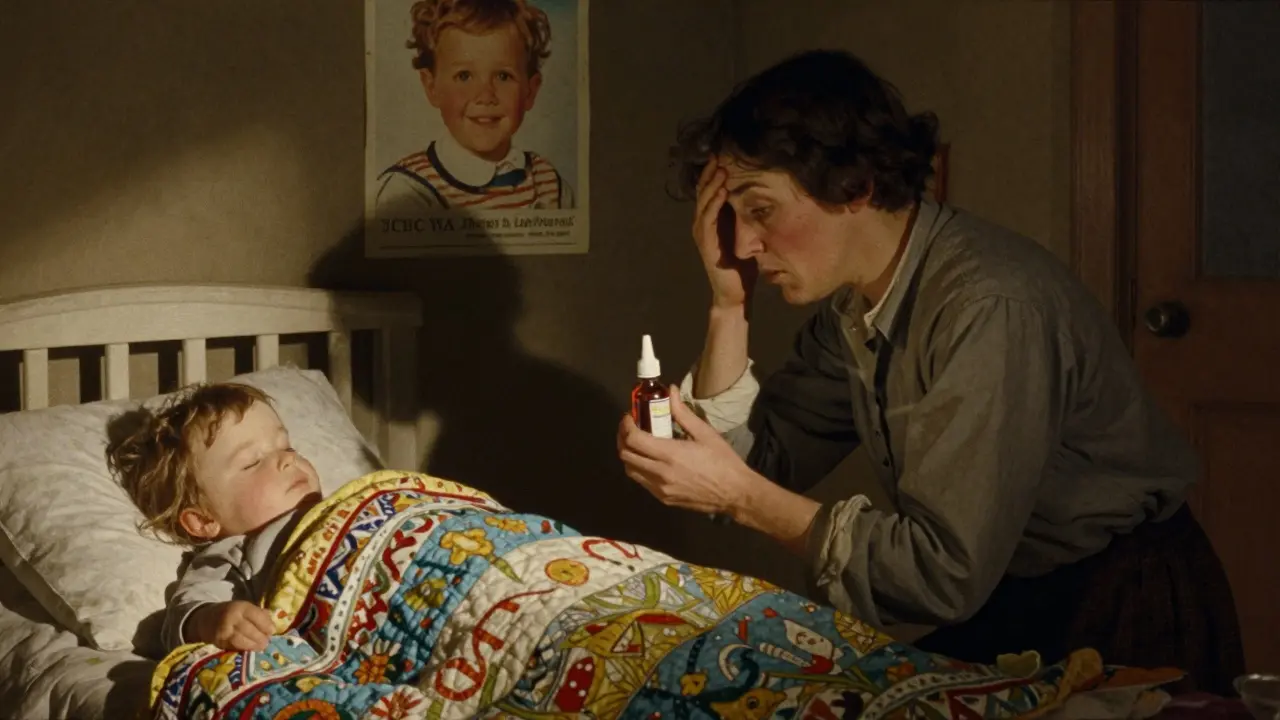
Every winter, parents face the same exhausting cycle: a runny nose, a wet cough, sleepless nights, and the desperate urge to make their child feel better. So they reach for the cabinet - the little bottles labeled "Children’s Cold & Cough" - and give a dose, hoping for relief. But here’s the hard truth: cough and cold medicine for kids under six doesn’t work the way you think it does, and it can be dangerous.
Why These Medicines Don’t Work for Young Kids
Over-the-counter cough and cold products are filled with ingredients like dextromethorphan, pseudoephedrine, chlorpheniramine, and guaifenesin. These are the same chemicals found in adult versions, just in smaller doses. But kids aren’t small adults. Their bodies process these drugs differently. Children under six have underdeveloped liver enzymes. In fact, kids under two have only about 23% of the adult enzyme activity needed to break down dextromethorphan safely. That means the drug stays in their system longer, building up to toxic levels even when given "as directed." Studies show these medications don’t reduce cough frequency, shorten illness, or improve sleep in young children. The FDA reviewed decades of data and found no proof they work - only clear evidence of harm.The Real Risks: More Than Just Side Effects
Between 2004 and 2005, nearly 7,100 children under 11 ended up in U.S. emergency rooms because of these medicines. The worst cases? Kids aged two to three. Symptoms included rapid heart rate, seizures, extreme drowsiness, and breathing problems. There have been over 120 reported deaths linked to these products since the 1970s. Even when given correctly, these medicines can cause serious reactions. A child might become hyperactive, confused, or hallucinate. Some parents report their toddlers couldn’t sleep for 12 hours after a single dose. Others saw vomiting, constipation, or dangerously high blood pressure. And it’s not just about the dose - it’s about mixing. Many parents don’t realize that a fever reducer like acetaminophen is already in the cold medicine they’re giving. Add a separate pain reliever? That’s how accidental liver damage happens.What the Experts Say - And Why It Matters
The American Academy of Pediatrics, the CDC, the FDA, the Mayo Clinic, and the American Academy of Family Physicians all agree: do not give OTC cough and cold medicines to children under six. The FDA’s official stance is strongest for kids under two - they call it potentially life-threatening. The AAP has held this line since 2008. Even the Consumer Healthcare Products Association, which represents drug makers, agreed in 2008 to put "Do not use in children under 4" on labels. But here’s the problem: many parents still give these medicines. A 2022 survey found 42% of parents of kids under six still used them. Why? Because they believe it will help their child feel better faster. That’s understandable. But the truth is, these medicines don’t speed up recovery. They just add risk.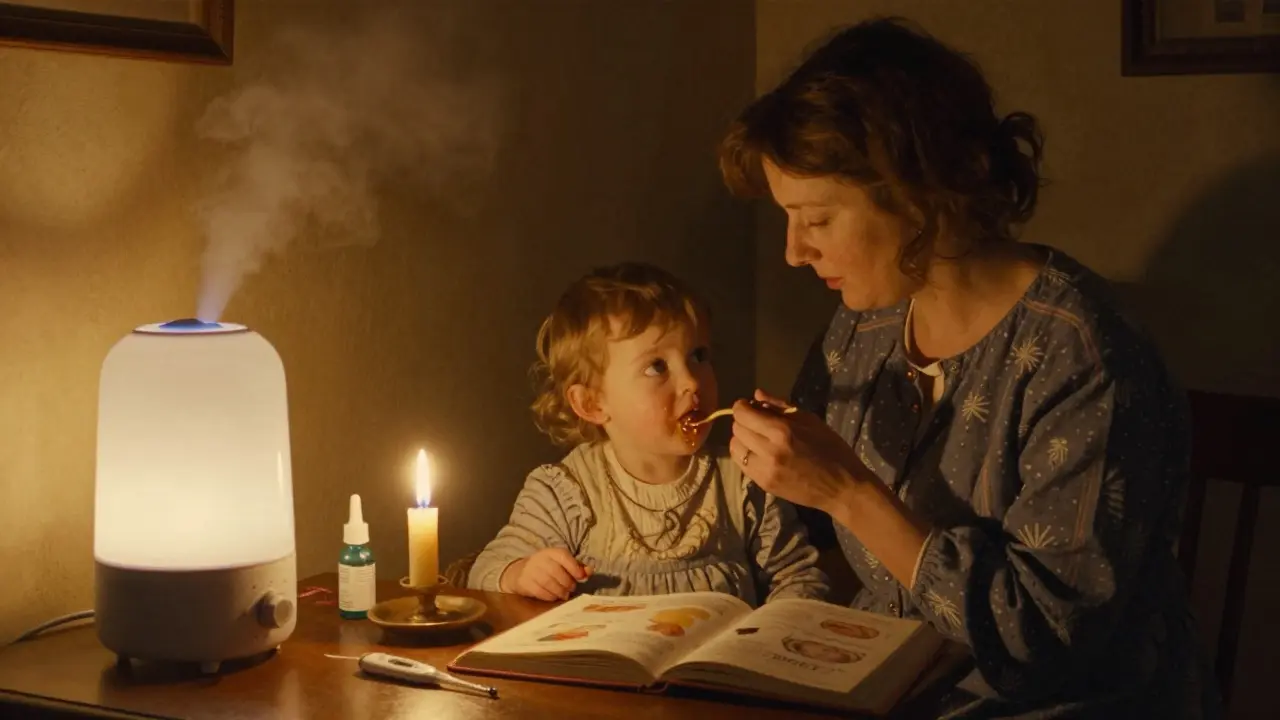
What to Do Instead: Proven, Safe Alternatives
You don’t need pills to help your child through a cold. Here’s what actually works:- For babies under six months: Use saline nasal drops and a bulb syringe to clear mucus. Run a cool-mist humidifier in their room. Keep them hydrated with breast milk or formula.
- For babies six months to two years: If they have a fever or seem achy, use acetaminophen (10-15 mg per kg of body weight) every 4-6 hours - but never more than five doses in 24 hours. Never use ibuprofen under six months.
- For kids one year and older: One teaspoon of honey before bed can be more effective than any cough syrup. Honey coats the throat and reduces nighttime coughing. It’s backed by multiple studies, including a 2023 update from the American College of Chest Physicians that named honey as the first-line treatment for cough in children over one.
- For all ages: Keep the air moist. Use a cool-mist humidifier - not warm mist. Warm mist can irritate nasal passages and make swelling worse. Elevate the head of their crib slightly. Offer extra fluids. Rest is the best medicine.
And please - never use adult medicine for a child. Even half a tablet can be too much. Never mix products. Always check labels for acetaminophen or ibuprofen if you’re already giving a fever reducer.
What About Nasal Sprays and Vapor Rubs?
Avoid oxymetazoline nasal sprays (like Afrin) in kids under six. They can cause rebound congestion and increased heart rate. Vapor rubs like Vicks VapoRub? Don’t use them on children under two. Even for older kids, never apply them under the nose or on broken skin. Some studies link them to breathing irritation in young children.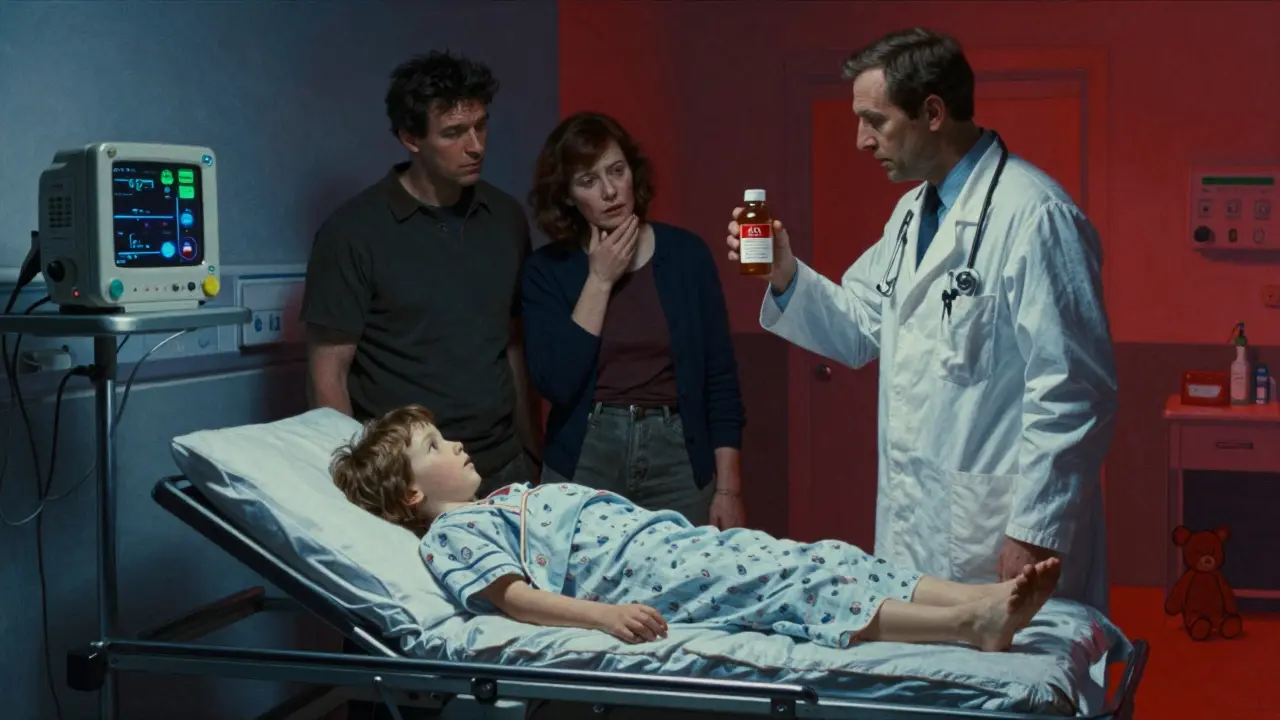
Why Do These Products Still Exist?
The U.S. market for children’s cough and cold medicines was worth over $1.2 billion in 2022. Even after the FDA warnings, sales dropped only in the under-2 group. In kids aged 6-11, sales went up. That’s because parents shift the use to older children - not because the drugs work better. And some products still don’t have clear warning labels. A 2021 FDA inspection found 22% of pediatric cold products lacked proper "do not use under 4" wording. It’s not just about bad labeling. It’s about fear. Parents feel helpless watching their child struggle. They want to fix it. But the best thing you can do is wait it out. Most colds last 7-10 days. Your job isn’t to cure it - it’s to keep your child comfortable and safe.When to Call the Doctor
A cold isn’t dangerous by itself. But these signs mean it’s time to get help:- Fever over 102°F (38.9°C) lasting more than 2 days
- Difficulty breathing, fast breathing, or wheezing
- Refusing to drink or signs of dehydration (dry mouth, no tears, fewer wet diapers)
- Cough lasting more than 10 days
- Ear pain, pulling at ears, or fluid draining from the ear
- Unusual drowsiness, confusion, or seizures
If your child has a chronic condition like asthma or a weakened immune system, call your doctor at the first sign of illness. Don’t wait.
What’s Changing - And What’s Next
Public health efforts are working. Between 2005 and 2011, emergency visits for OTC cold medicine overdoses in kids under two dropped by 45%. But disparities remain. Black and Hispanic children are still more likely to end up in the ER - often because of language barriers, lack of access to clear information, or pressure from family members who believe in "old remedies." New research is focused on helping parents make better choices. A 2023 study showed that a simple 10-minute educational video given to parents reduced inappropriate use of OTC meds by 58%. That’s huge. The message is clear: education saves lives. Future solutions might include safer, child-specific formulations - but for now, the best treatment is patience, hydration, and honey.Can I give my 3-year-old children’s cough syrup if I use half the dose?
No. Even half the dose can be dangerous. Children’s cough syrups are not scaled-down versions of adult medicine - they’re made with the same active ingredients, just in different concentrations. A child’s body can’t process them safely, regardless of the amount. The risk of overdose, seizures, or breathing problems is real, even with small doses.
Is honey really safe for toddlers?
Yes - but only for children over one year old. Honey can contain spores of botulism, which can cause a rare but serious illness in babies under 12 months. After one year, a child’s digestive system is mature enough to handle it safely. One teaspoon at bedtime has been shown to reduce nighttime coughing better than many OTC syrups.
What if I accidentally gave my child too much cough medicine?
Call your local poison control center immediately. In New Zealand, dial 0800 764 766. In the U.S., call 1-800-222-1222. Do not wait for symptoms to appear. Overdoses can cause serious harm within hours. Keep the medicine bottle handy - you’ll need the ingredient list for the poison control team.
Are natural remedies like echinacea or elderberry safe for young kids?
There’s no strong evidence that echinacea, elderberry, or other herbal remedies work for colds in young children. More importantly, they’re not regulated like medicines. Their strength, purity, and safety aren’t guaranteed. Some can interact with other medications or cause allergic reactions. Stick to proven methods: saline, humidifiers, honey (for over 1s), and rest.
Why do pharmacies still sell these products if they’re unsafe?
They’re sold because they’re legal and profitable. The FDA doesn’t ban products outright unless they’re proven to be unsafe in all cases - and these products are still used safely by older children and adults. The warning labels are meant to guide parents, but many still ignore them. The real solution isn’t banning them - it’s better education. That’s why health groups are pushing for clearer labels and parent-focused campaigns.




Written by Martha Elena
I'm a pharmaceutical research writer focused on drug safety and pharmacology. I support formulary and pharmacovigilance teams with literature reviews and real‑world evidence analyses. In my off-hours, I write evidence-based articles on medication use, disease management, and dietary supplements. My goal is to turn complex research into clear, practical insights for everyday readers.
All posts: Martha Elena