
Diarrhea is one of those annoying, sudden health issues that can hit at the worst time-during a meeting, on a road trip, or right before bed. You might reach for an OTC remedy like Imodium or Pepto-Bismol without thinking twice. And for many, it works. But not all diarrhea is the same, and using these medications incorrectly can do more harm than good. Knowing when to use OTC diarrhea treatments and when to call a doctor isn’t just smart-it’s essential.
What Counts as Diarrhea?
Diarrhea isn’t just loose stools. It’s defined as three or more watery or unformed bowel movements in a single day. It often comes with cramps, bloating, or urgency. Most cases are acute, meaning they last less than two weeks. In fact, the average bout clears up on its own in 5 to 7 days. That’s why so many people turn to OTC meds: they’re convenient, cheap, and usually fast-acting.
But here’s the catch: if you’re treating symptoms without understanding the cause, you might be trapping harmful bacteria or viruses in your gut. That’s why knowing the difference between simple, mild diarrhea and something more serious matters.
The Two Main OTC Options: Loperamide and Bismuth Subsalicylate
There are two FDA-approved OTC drugs for diarrhea: loperamide (sold as Imodium) and bismuth subsalicylate (found in Pepto-Bismol and Kaopectate). They work in completely different ways.
Loperamide slows down your gut. It’s a synthetic opioid that acts only in the intestines-so it doesn’t cause the brain-related side effects you’d expect from painkillers. At normal doses, it reduces stool frequency by up to 62% within 24 hours. It kicks in within 30 to 60 minutes, making it ideal for sudden, urgent episodes. Standard dose: 4 mg after the first loose stool, then 2 mg after each subsequent loose stool. Don’t go over 8 mg in 24 hours.
Bismuth subsalicylate works differently. It coats the gut lining, absorbs toxins, reduces inflammation, and even kills some bacteria like E. coli and Campylobacter. It’s not just for diarrhea-it helps with nausea and stomach cramps too. In studies, it improved nausea in 37% of users and reduced cramps by 42%. But it comes with side effects: your stool and tongue may turn black. That’s normal, not dangerous, but it can freak you out if you’re not prepared.
Which One Should You Pick?
If your main problem is frequent, watery stools with no fever or blood, loperamide is usually the better choice. It’s faster and more effective at reducing bowel movements.
If you’re also feeling nauseous, have mild stomach cramps, or you’re traveling in a country with questionable water quality, bismuth subsalicylate gives you more bang for your buck. It’s even used as a preventive-taking it before and during travel can cut your risk of traveler’s diarrhea by 65%.
But here’s what most people don’t realize: you shouldn’t take both together. Mixing them increases your risk of salicylate toxicity (especially dangerous if you’re already taking aspirin or other NSAIDs). Stick to one.
When OTC Diarrhea Treatments Are Dangerous
OTC meds aren’t safe for everyone. There are clear red flags that mean you should skip the drugstore aisle and head to the doctor instead.
- Bloody or black stools-This isn’t normal diarrhea. It could signal an infection like C. diff, inflammatory bowel disease, or even internal bleeding.
- Fever above 101.3°F (38.5°C)-A high fever means your body is fighting something serious, like salmonella or shigella. Slowing your gut down with loperamide can trap the pathogen inside.
- Severe abdominal pain-Not just cramps. Sharp, constant, or localized pain could mean appendicitis, diverticulitis, or an obstruction.
- Diarrhea lasting more than 48 hours-If it hasn’t improved after two days, especially with worsening symptoms, it’s time to get checked.
- Signs of dehydration-Dry mouth, dizziness, little to no urine, sunken eyes, or extreme fatigue. This is especially dangerous in kids and older adults.
- Weight loss over 5% of your body weight-This isn’t just a bad stomach bug. It could point to a chronic condition like celiac disease or an infection that won’t clear on its own.
The FDA has issued multiple warnings about loperamide abuse. People have taken up to 100 mg a day to mimic opioid withdrawal relief-leading to heart rhythm problems, cardiac arrest, and even death. Between 1976 and 2015, 48 deaths were linked to loperamide misuse. That’s why the maximum OTC dose is now capped at 8 mg per day. But people still overdose-sometimes by accident, sometimes by intent.
Who Should Avoid These Medications?
Children under 6 should not take loperamide unless directed by a doctor. Even for kids 6 to 12, the liquid form is the only approved option-and only for short-term use. Pepto-Bismol is not recommended for children under 12 because of the risk of Reye’s syndrome, a rare but serious condition linked to salicylates.
If you’re pregnant, breastfeeding, or have liver disease, talk to your doctor before using either. Bismuth subsalicylate can cross into breast milk, and loperamide may affect liver function in those with pre-existing issues.
And if you’re taking any other meds-especially antidepressants, antibiotics, or heart medications-check for interactions. Loperamide can interfere with certain drugs and cause dangerous heart rhythms.
What to Do Instead of Just Taking a Pill
Medications help with symptoms, but they don’t fix the root cause. The most important thing you can do during diarrhea is stay hydrated.
Drink oral rehydration solutions (ORS) that contain the right balance of salt and sugar. WHO-recommended ORS has 75 mmol/L of sodium. You can buy these at pharmacies (like Pedialyte or DripDrop), or make a simple version at home: 1 liter of clean water, 6 teaspoons of sugar, and half a teaspoon of salt.
Avoid dairy, caffeine, alcohol, and sugary drinks. They make diarrhea worse. Stick to the BRAT diet-bananas, rice, applesauce, toast-until your gut settles. These are bland, low-fiber foods that are easy to digest.
Rest. Your body is fighting something. Pushing through work or exercise won’t help.

Real Stories: What Happens When People Ignore the Rules
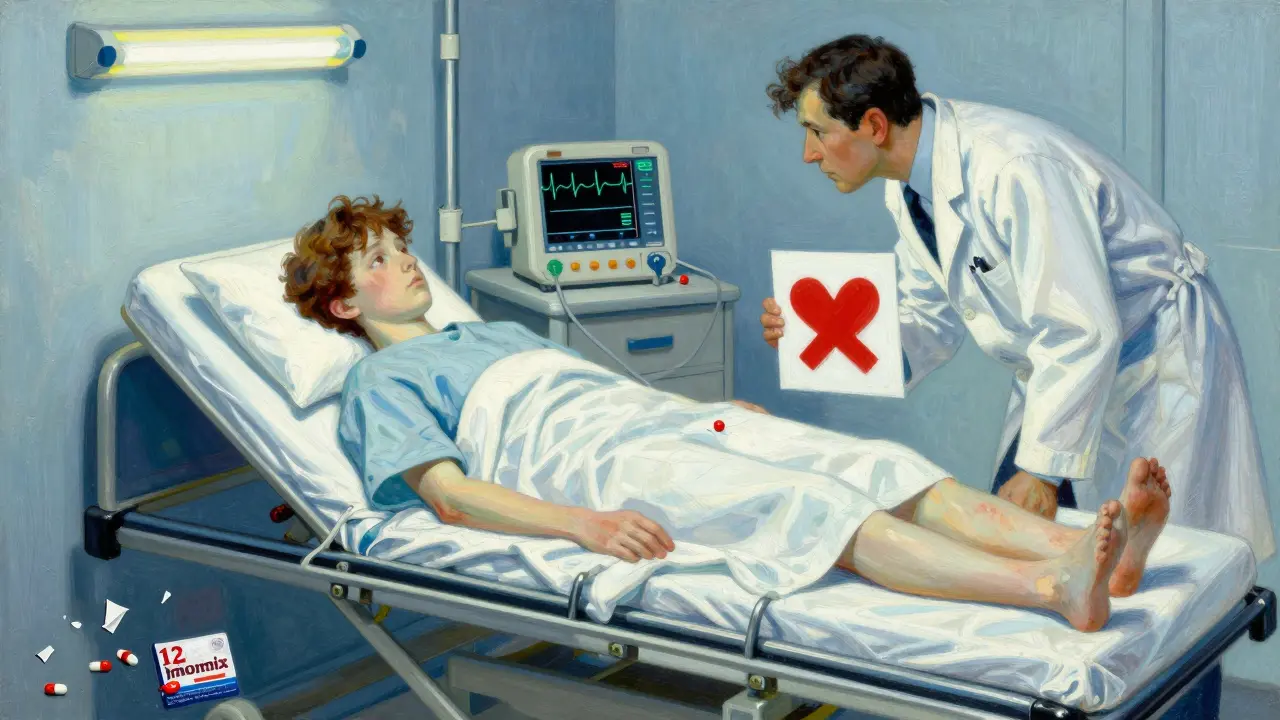
One Reddit user, u/HealthCareWorker22, shared that a 24-year-old patient came into the ER after taking 12 Imodium caplets in one day to stop diarrhea from a food allergy. He ended up with a dangerously slow heart rate and needed a pacemaker.
A Drugs.com reviewer wrote: “Took 6 caplets in 4 hours-ended up in ER with severe constipation.” That’s not an exaggeration. Loperamide can paralyze the intestines if overdosed. It’s called paralytic ileus, and it’s a medical emergency.
On WebMD, a mother described her 8-year-old with a viral stomach bug who got worse after taking Pepto-Bismol. The child developed a rash and vomiting. Turns out, the virus had triggered a mild case of hemolytic uremic syndrome (HUS), a complication from E. coli. The bismuth masked symptoms, delaying diagnosis.
These aren’t rare cases. The FDA’s adverse event database shows 19% of OTC diarrhea medication problems come from exceeding the recommended dose.
When to Call a Doctor
Here’s a simple rule: if you’re unsure, call your doctor. But here’s a clearer list of when you absolutely should:
- Diarrhea lasts longer than 2 days
- You have a fever over 101.3°F
- You see blood or mucus in your stool
- You’re dizzy, confused, or can’t keep fluids down
- You’re over 65 or have a weakened immune system
- You’ve recently taken antibiotics
- You’ve traveled internationally in the past month
Doctors don’t always prescribe antibiotics for diarrhea. In fact, the American College of Emergency Physicians now advises against it for most cases. Instead, they focus on rehydration and monitoring. But they need to rule out infections like C. diff, giardia, or parasites-which require specific treatments.
What’s Changing in Diarrhea Treatment?
There’s new research on the horizon. Racecadotril, a drug approved in Europe and parts of Asia, reduces diarrhea duration without slowing gut motility. It’s not available OTC in the U.S. yet, but it’s being studied for pediatric use.
Also, at-home stool tests are becoming more common. Companies now offer kits that detect pathogens like norovirus, rotavirus, and C. diff from a single sample. These could soon replace the guesswork of OTC meds entirely.
But for now, the best advice remains simple: use OTC meds wisely. Don’t treat symptoms blindly. Know your limits. Listen to your body. And when in doubt-see a doctor.
Can I take Imodium every day for chronic diarrhea?
No. Imodium is only meant for short-term, acute diarrhea. Using it daily for more than 2 days can mask serious conditions like Crohn’s disease, ulcerative colitis, or colon cancer. If you have ongoing diarrhea, see a doctor instead of relying on OTC meds.
Is Pepto-Bismol safe for kids?
Pepto-Bismol is not recommended for children under 12 due to the risk of Reye’s syndrome, a rare but life-threatening condition linked to salicylates. For kids 6 and older, only use the pediatric-specific Imodium liquid under a doctor’s guidance. Never give adult formulations to children.
Why does my stool turn black after taking Pepto-Bismol?
The black color comes from bismuth sulfide, a harmless compound formed when bismuth reacts with sulfur in your digestive tract. It’s normal and temporary-your stool will return to its usual color within a day or two after stopping the medication. Don’t confuse this with black, tarry stools from bleeding, which have a foul odor and require immediate medical attention.
Can I use OTC diarrhea meds if I have COVID-19?
Mild diarrhea is a common symptom of COVID-19. You can use loperamide or bismuth subsalicylate if symptoms are mild and you have no fever or blood in stool. But if diarrhea is severe, persistent, or accompanied by vomiting, dehydration, or difficulty breathing, seek medical care. Some COVID-19 treatments interact with these medications, so check with your provider.
How long should I wait before seeing a doctor for diarrhea?
Wait no longer than 48 hours if symptoms haven’t improved. If you have a fever over 101.3°F, bloody stools, severe pain, or signs of dehydration, see a doctor immediately-even if it’s been less than 2 days. Don’t wait for symptoms to get worse.
Are natural remedies like probiotics better than OTC meds?
Probiotics can help restore gut balance after diarrhea, especially after antibiotics, but they don’t stop diarrhea quickly. They’re best used as a follow-up, not a first-line treatment. OTC meds like loperamide work faster for symptom relief. Don’t rely on probiotics alone during an active bout of diarrhea.
Can I take Imodium with alcohol?
It’s not recommended. Alcohol can worsen dehydration and irritate your gut lining, making diarrhea worse. It also increases the risk of dizziness or drowsiness when combined with loperamide. Avoid alcohol entirely while treating diarrhea.
What’s the safest OTC option for traveler’s diarrhea?
Bismuth subsalicylate (Pepto-Bismol) is the safest and most effective OTC option for traveler’s diarrhea. It reduces risk by 65% when taken before and during travel. It also helps with nausea and cramps. Stick to the recommended dose: 2 tablets or 30 mL liquid every 30 minutes up to 8 doses in 24 hours. Don’t use it for more than 3 weeks.





Written by Martha Elena
I'm a pharmaceutical research writer focused on drug safety and pharmacology. I support formulary and pharmacovigilance teams with literature reviews and real‑world evidence analyses. In my off-hours, I write evidence-based articles on medication use, disease management, and dietary supplements. My goal is to turn complex research into clear, practical insights for everyday readers.
All posts: Martha Elena