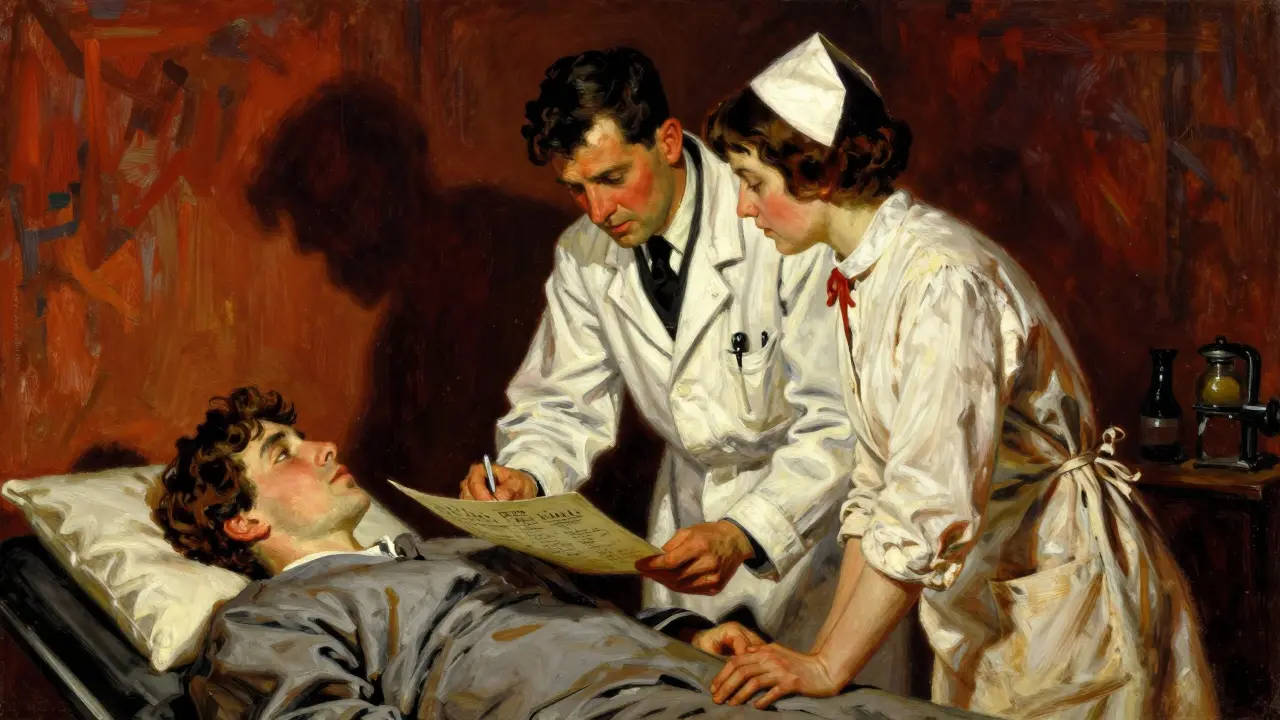
Imagine a hospital where a simple typing error in a dosage or a misplaced decimal point could be the difference between a recovery and a tragedy. It sounds like a nightmare, but for years, this has been a silent crisis in healthcare. Back in 1999, a landmark report called "To Err is Human" shocked the world by revealing that tens of thousands of people were dying annually in U.S. hospitals due to preventable medical errors. While we've come a long way since then, the risk is still very real. Whether you are a patient, a family member, or a healthcare professional, understanding how to navigate medication safety is not just about following rules-it is about saving lives.
The Real Stakes of Medication Errors
When we talk about medication safety, we are talking about any preventable event that leads to inappropriate drug use or patient harm. It is not just about the wrong pill; it is about the wrong dose, the wrong route of administration, or even the right drug given at the wrong time. Research has shown that in some settings, there can be at least one medication error per patient, per day. This isn't just a clinical failure; it's a financial one too, with billions of dollars spent annually to treat the complications resulting from these mistakes.
To fight this, organizations like the Institute for Safe Medication Practices (ISMP) is a non-profit organization dedicated to preventing medication errors and promoting safe medication use have created rigorous standards. They don't just suggest improvements; they identify specific "best practices" to stop the most common and dangerous mistakes before they happen.
Spotting High-Alert Medications
Not all medications carry the same risk. Some drugs are so potent or have such a narrow window between a healing dose and a lethal dose that they are classified as "high-alert." For example, Insulin is a hormone used to treat diabetes that can cause severe hypoglycemia if misdosed, and Anticoagulants are blood-thinning medications that can lead to uncontrollable bleeding if not managed correctly. Both require extreme caution.
In specialized settings, like maternity wards, Oxytocin is flagged as a high-alert medication because it manages uterine contractions and can cause severe complications if the dose is incorrect. To handle these, hospitals use "special safeguards." These include independent double-checks, where two different clinicians must verify the dose, and automated range checking that flags an order if the dose looks suspiciously high.
| Feature | ISMP Targeted Best Practices | Joint Commission (NPSG) |
|---|---|---|
| Focus | Specific high-risk scenarios | Broad safety standards |
| Implementation | Mandatory specific requirements | General goal-based standards |
| Impact | Higher reduction in preventable harm | Baseline safety compliance |
| Resource Cost | Higher (Requires tech mods/training) | Moderate (Policy-based) |
How Technology Stops Mistakes
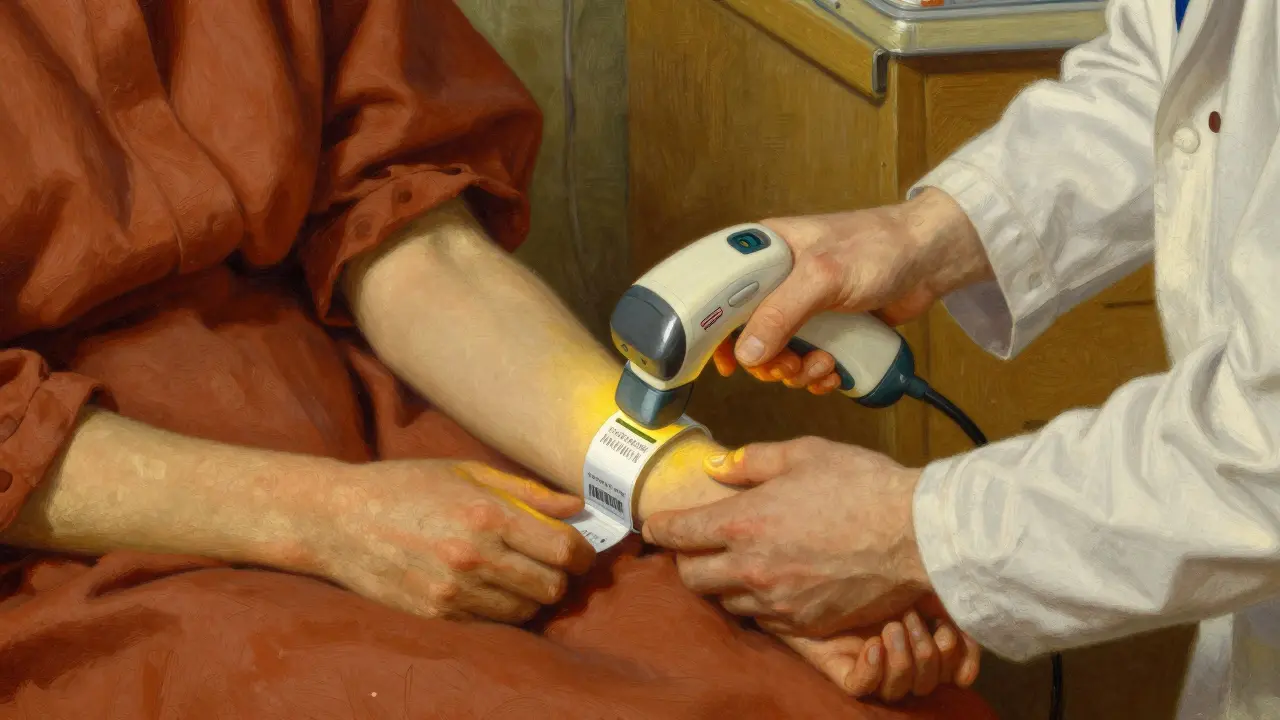
We can't rely on human memory alone-especially when a nurse is working a 12-hour shift. That is where clinical decision support and hardware come in. One of the most effective tools is the Barcode Medication Administration (BCMA) system, which uses handheld scanners to ensure the right patient receives the right medication and dose. By scanning the patient's wristband and then the medication package, the system can trigger an alert if there is a mismatch.
Another critical tool is the "hard stop" in Electronic Health Records. Take Methotrexate, a drug used for cancer and autoimmune diseases. Because it is often taken weekly, accidentally giving it daily can be fatal. A "hard stop" forces the prescriber to confirm the oncologic indication and the weekly frequency before the order can even be placed. According to experts, this simple digital barrier prevents over a thousand serious errors every year.
The Human Element: Your Role in Safety
Technology is great, but it's not foolproof. The best safety net is an informed patient and a vigilant staff. If you are in a clinic or hospital, you should expect the "Right Patient Check." This is a protocol where the provider verifies your full name and date of birth against your wristband every single time a drug is administered. If they don't do this, ask them to. It's a small step that significantly boosts patient confidence and safety.
When it's time to go home, the transition is where many errors occur. This is why medication reconciliation-comparing your home meds with what you were given in the hospital-is vital. For high-risk drugs, don't settle for just a printed list. Ask for both verbal and written discharge instructions. If the instructions feel vague, push for clarity. Your understanding of your medication is the final line of defense.

Challenges in the Real World
Despite the existence of these frameworks, the rollout isn't always smooth. There is often a gap between big academic medical centers and small community hospitals. While larger centers have the budget for expensive software and training, smaller clinics may struggle with the costs of technology modifications. Some staff also experience "implementation fatigue," where too many different safety checklists make them feel overwhelmed, occasionally leading to workarounds that can ironically introduce new risks.
Furthermore, the shift toward outpatient care has created new challenges. Errors in ambulatory settings have risen sharply as more complex treatments move from the hospital to the clinic. This is why the latest updates to safety practices are now focusing heavily on compounded sterile preparations and outpatient protocols to ensure the same level of safety exists outside the hospital walls.
What exactly is a "high-alert medication"?
High-alert medications are drugs that bear a heightened risk of causing significant patient harm when used in error. While they aren't necessarily more prone to errors than other drugs, the consequences of a mistake are much more severe. Examples include concentrated electrolytes, insulin, and opioids.
How does a barcode system actually prevent errors?
Barcode Medication Administration (BCMA) requires the clinician to scan a code on the patient's wristband and a code on the medication. The system then checks this against the electronic prescription. If the drug, dose, or patient doesn't match the order, the system alerts the nurse immediately, preventing the medication from being administered.
What should I do if I think a medication error has occurred?
If you notice a pill looks different or a dose seems wrong, speak up immediately. Do not hesitate to question the provider. Once an error is suspected, it should be reported through the hospital's internal reporting system (like the ISMP MERP) so the facility can analyze the root cause and prevent it from happening to someone else.
Why is medication reconciliation so important during discharge?
Medication reconciliation is the process of creating the most accurate list possible of all medications a patient is taking. During discharge, medications are often changed or stopped. Without a careful review, a patient might accidentally take both an old version of a drug and a new one, leading to dangerous drug-drug interactions or overdoses.
Are these safety standards the same in all hospitals?
Unfortunately, no. While many hospitals follow The Joint Commission's general goals, some implement the more rigorous and specific ISMP Targeted Best Practices. Academic centers typically have higher implementation rates of these advanced systems compared to smaller community hospitals due to resource and staffing differences.
Next Steps for Better Safety
If you are a patient, start by keeping an updated list of all your medications and supplements in your wallet or on your phone. When you visit a clinic, ask your provider to review this list with you. If you are a healthcare worker, focus on the "culture of safety"-encourage the reporting of "near-misses." A near-miss is a mistake that was caught before it reached the patient; analyzing these is the only way to fix the system before a real injury occurs.





Written by Martha Elena
I'm a pharmaceutical research writer focused on drug safety and pharmacology. I support formulary and pharmacovigilance teams with literature reviews and real‑world evidence analyses. In my off-hours, I write evidence-based articles on medication use, disease management, and dietary supplements. My goal is to turn complex research into clear, practical insights for everyday readers.
All posts: Martha Elena