
Antacid-Antibiotic Timing Calculator
Calculate Safe Timing
Select your antibiotic and antacid to determine the minimum separation time needed for effective treatment.
Recommended Timing
Select an antibiotic and antacid to see safe separation time.
Why Timing Matters
Antacids containing aluminum, magnesium, or calcium can bind to antibiotics in your stomach, reducing absorption by 30-90%. The separation time allows your body to absorb the antibiotic before the antacid changes your digestive environment.
Many people reach for antacids like Tums, Maalox, or Mylanta when they feel heartburn or indigestion. These OTC meds work fast-often in under five minutes. But if you’re also taking an antibiotic, you might be sabotaging your treatment without even knowing it. The problem isn’t rare. It’s common. And it can make your antibiotic useless.
Why Antacids Kill Antibiotic Effectiveness
Antacids don’t just neutralize stomach acid. They contain metal ions-aluminum, magnesium, calcium-that bind tightly to certain antibiotics. This binding creates a chemical trap. Instead of being absorbed into your bloodstream where it can fight infection, the antibiotic gets locked into an insoluble complex in your gut and flushed out. The result? Your body never gets enough of the drug to do its job.This isn’t theoretical. Studies show tetracycline absorption drops by 70-90% when taken with an aluminum-based antacid. Ciprofloxacin, a fluoroquinolone used for UTIs and respiratory infections, sees its bioavailability plummet from 70% to just 15-25%. Even doxycycline, often thought to be safer, loses 30-50% of its potency. The same thing happens with levofloxacin and other antibiotics that rely on specific chemical structures to be absorbed.
It’s not just about stomach acid. Antacids change the chemistry of your digestive tract. Antibiotics like tetracyclines need a low-pH environment to dissolve properly. When antacids raise the pH, the antibiotic doesn’t break down the way it should. Even if it doesn’t bind directly, it still can’t be absorbed.
Which Antibiotics Are Most Affected?
Not all antibiotics are equally vulnerable. Some are hit hard. Others barely notice. Here’s what actually matters:- Tetracycline: Absorption drops by 70-90% with aluminum or magnesium antacids. This one is the most sensitive.
- Doxycycline: Still affected, but less so-30-50% reduction. Still enough to risk treatment failure.
- Ciprofloxacin: One of the worst offenders. A single Tums can cut absorption by over half.
- Levofloxacin: 25-40% reduction. Not as bad as cipro, but still dangerous.
- Amoxicillin: Mixed results. Some studies show 18-22% drop with aluminum-magnesium antacids. Others show no effect. Play it safe anyway.
- Penicillins, cephalosporins: Generally safe. No strong evidence of interaction.
What’s in your antacid matters just as much as the antibiotic. Products with aluminum hydroxide or magnesium hydroxide are the biggest culprits. Calcium carbonate (like Tums) is also risky. Sodium bicarbonate? Less of a problem for antibiotics, but it can mess with other drugs like methotrexate or lithium.
What About PPIs and H2 Blockers?
You might think switching to omeprazole (Prilosec) or famotidine (Pepcid) is safer. And for the most part, it is. These drugs reduce acid production without dumping metal ions into your gut. They don’t chelate antibiotics. That’s why doctors often recommend them over antacids when you’re on a course of tetracycline or ciprofloxacin.But here’s the catch: PPIs and H2 blockers take time to work. Omeprazole can take up to four hours to start reducing acid. Famotidine needs 30-60 minutes. If you’re in pain right now, waiting isn’t an option. That’s why people grab antacids-they work fast. But speed comes at a cost.
One 2023 meta-analysis found that patients who used antacids while on antibiotics had a 37% higher chance of treatment failure compared to those who timed their doses correctly. That’s not a small risk. That’s a real chance your infection won’t clear-and your bacteria get stronger.
Real Cases: When Timing Went Wrong
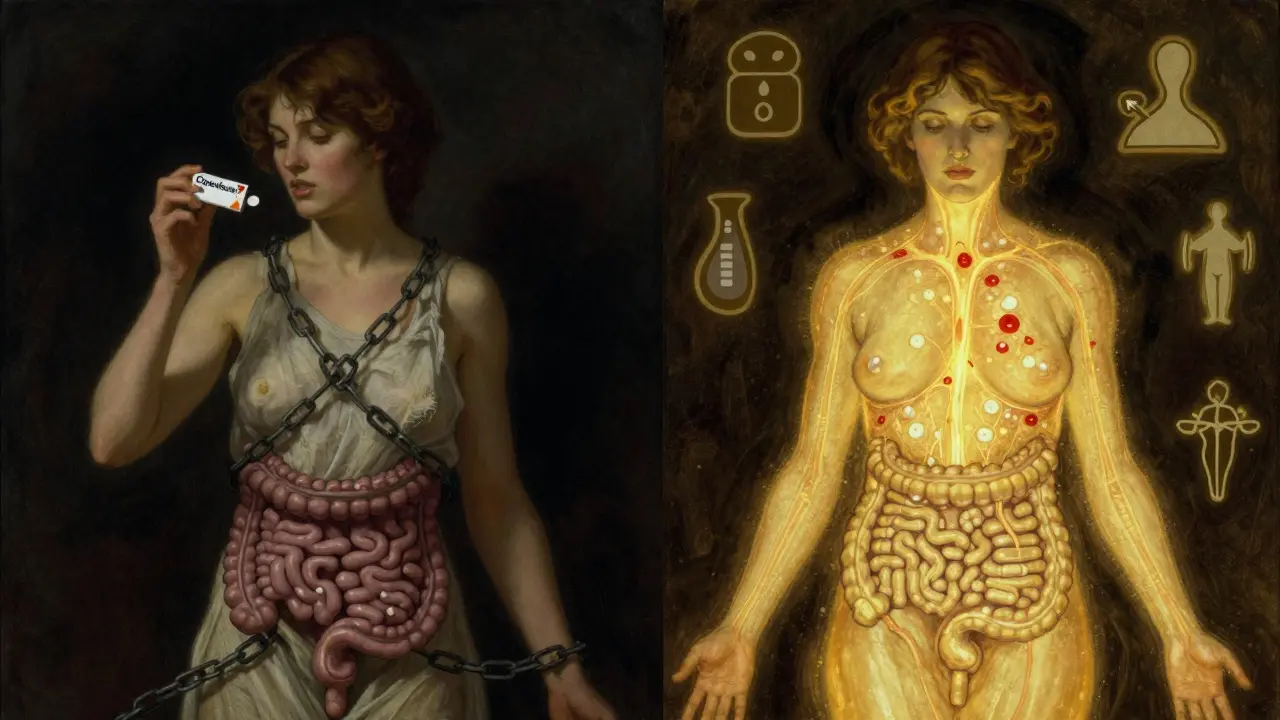
A 58-year-old woman kept getting urinary tract infections. Every time she finished a course of ciprofloxacin, the symptoms came back. Her doctor thought she was reinfected. Then she mentioned she took two Tums after every meal. She was taking her antibiotic at dinner, then popping antacids right after. That’s the exact scenario that kills absorption.Once she stopped taking antacids within four hours of her antibiotic, her infection cleared on the first try. No new prescription. No extra pills. Just timing.
Another case: a 72-year-old man on doxycycline for a lung infection. He used Mylanta daily for acid reflux. His symptoms didn’t improve. His doctor increased the dose. Still no progress. Only after he stopped the antacid did his fever drop and his cough ease. His blood levels of doxycycline were barely detectable.
These aren’t outliers. Reddit threads, pharmacy case logs, and hospital records are full of similar stories. One thread in r/pharmacy had 47 people reporting failed antibiotic courses-all corrected after they adjusted antacid timing.
How to Take Them Together Without Ruining Your Treatment
You don’t have to give up antacids. You just need to separate them from your antibiotics.The standard rule: Take antibiotics at least 2 hours before or 4-6 hours after an antacid.
- For tetracyclines: 2 hours before or after.
- For fluoroquinolones (cipro, levofloxacin): 4-6 hours apart.
- For doxycycline: 2-3 hours apart is usually enough.
- For amoxicillin: If you’re worried, wait 2 hours.
Here’s a simple schedule if you take antibiotics twice a day:
- Take antibiotic at 8 a.m. → Don’t take antacid until 10 a.m. or later.
- Take antibiotic at 8 p.m. → Last antacid by 2 p.m. (or wait until the next morning).
If you need acid relief during the day, try sipping water, eating small meals, or avoiding triggers like caffeine and spicy food. If you absolutely need something stronger, ask your pharmacist about famotidine. It won’t interfere with your antibiotic.
Why Most People Don’t Know This
You’d think this warning would be obvious. But a 2022 survey found only 32% of OTC antacid users knew about this interaction. Even though the FDA required clearer labeling on packaging in 2019, only 67% of major brands fully complied by 2022. Many labels still bury the warning in tiny print.Pharmacists are the first line of defense. But if you pick up your antibiotic at the drive-thru window and don’t ask, you won’t hear it. Patients assume antacids are harmless. They’re not. They’re powerful chemicals that change how your body handles other drugs.
And the stakes are rising. The CDC estimates over 35,000 deaths in the U.S. each year come from antibiotic-resistant infections. Many of those are tied to incomplete treatment-like when an antibiotic doesn’t get absorbed properly because someone took a Tums with it.
What to Do Next
If you’re on antibiotics:- Check the label of your antacid. Look for aluminum, magnesium, or calcium.
- Ask your pharmacist: “Does this antacid interfere with my antibiotic?”
- Write down your antibiotic schedule and your antacid use. Keep them at least 2-6 hours apart.
- If you’re still having symptoms after starting antibiotics, ask your doctor: “Could my antacid be making this worse?”
- Consider switching to an H2 blocker like famotidine during your antibiotic course. It’s safer and still helps with heartburn.
This isn’t about avoiding antacids forever. It’s about using them smartly. One wrong timing decision can turn a simple infection into a long, expensive, dangerous battle. Don’t let a quick fix ruin your cure.
Can I take Tums with amoxicillin?
It’s not recommended. Some studies show Tums (calcium carbonate) can reduce amoxicillin absorption by 18-22%. While not as severe as with tetracyclines or fluoroquinolones, the risk isn’t zero. To be safe, wait at least 2 hours after taking amoxicillin before using Tums. If you’re unsure, ask your pharmacist or switch to famotidine during your antibiotic course.
How long should I wait between antacids and antibiotics?
For tetracyclines like doxycycline, wait 2 hours before or after. For fluoroquinolones like ciprofloxacin or levofloxacin, wait 4-6 hours. If you’re not sure which antibiotic you’re taking, aim for 4 hours apart-it covers most cases. Never take them at the same time.
Do all antacids interfere with antibiotics?
No. Antacids with aluminum, magnesium, or calcium are the main culprits. Sodium bicarbonate (like Alka-Seltzer) has less impact on antibiotics, though it can interfere with other drugs. Antacids without metal ions-like those made with simethicone only-are rare and usually combined with metal-based ingredients. Always check the active ingredients list.
Can antacids make antibiotics less effective even if I take them hours apart?
Yes, if you take them too close. The interaction happens in your stomach and upper intestine within the first hour after taking both. Waiting 2-6 hours allows your body to absorb the antibiotic before the antacid changes the environment. If you take antacids 30 minutes after your antibiotic, you’re still risking reduced absorption.
What should I do if I already took an antacid with my antibiotic?
Don’t panic, but don’t ignore it either. Skip your next antacid dose until the recommended time window has passed. If you’re on a short course (5-7 days), monitor your symptoms closely. If your infection doesn’t improve or gets worse, contact your doctor. You may need a different antibiotic or a longer course. Never double up on your antibiotic dose to make up for it-that can cause side effects without improving absorption.






Written by Martha Elena
I'm a pharmaceutical research writer focused on drug safety and pharmacology. I support formulary and pharmacovigilance teams with literature reviews and real‑world evidence analyses. In my off-hours, I write evidence-based articles on medication use, disease management, and dietary supplements. My goal is to turn complex research into clear, practical insights for everyday readers.
All posts: Martha Elena