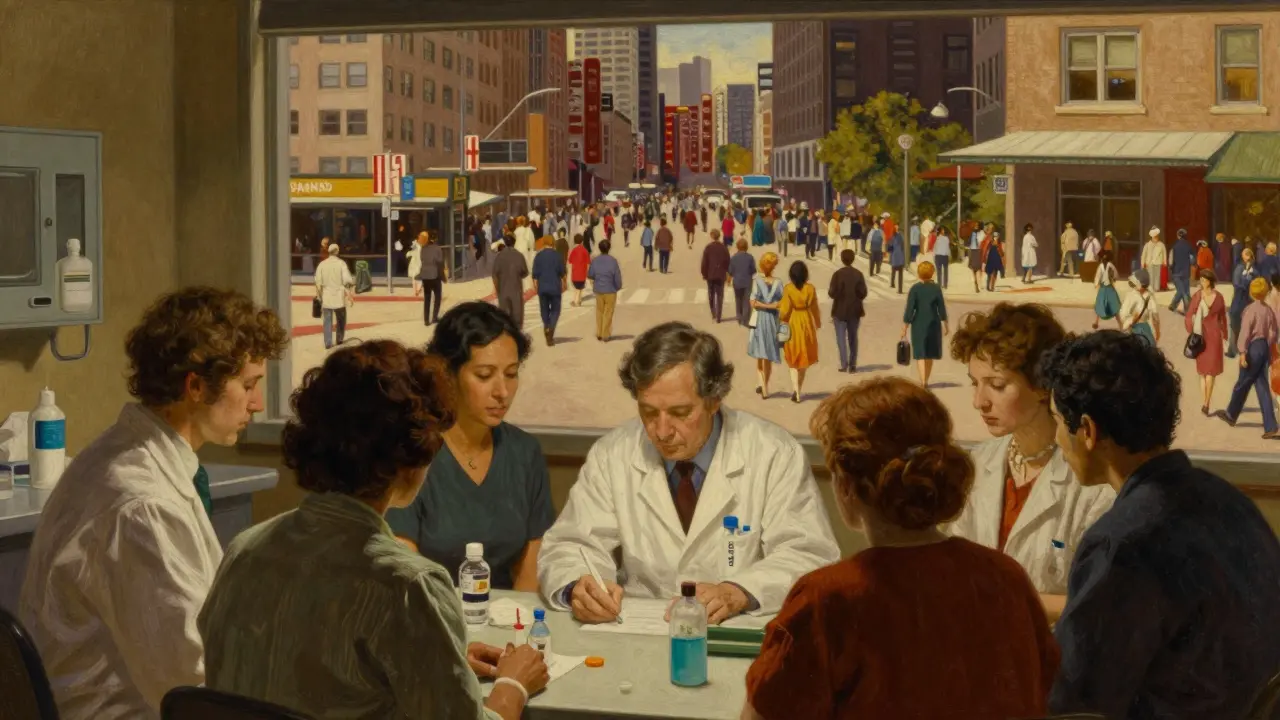
Ever wonder what happens after a generic drug gets the green light from the government? Most people assume that once a medication is approved, the hard part is over. But in reality, the approval is just the starting line. Because generic drugs are tested on a small group of healthy volunteers-usually just 24 to 36 people-it's impossible to catch every single side effect before the drug hits the pharmacy shelves. The drug safety monitoring process is where the real-world testing happens, tracking how a medication performs across millions of diverse patients with different health histories.
The Safety Net: How Post-Market Surveillance Works
When a brand-name drug is first developed, it goes through massive clinical trials. Generics, however, use a shortcut called the Abbreviated New Drug Application (ANDA) pathway. This means they only have to prove they are "bioequivalent" to the original, rather than repeating those giant trials. To make up for this smaller initial data set, the FDA (Food and Drug Administration) uses a multi-layered surveillance system to watch for "safety signals"-early warnings that a drug might be causing unexpected problems.
The heavy lifting happens inside the Center for Drug Evaluation and Research (CDER). Specifically, the Office of Generic Drugs (OGD) works alongside the Office of Pharmaceutical Quality to ensure that the pills you take today are just as safe as the ones you took last year. This isn't just a casual check-in; it's a legal requirement strengthened by the 21st Century Cures Act, which formalized how the government must track drug safety after it hits the market.
The Tools of the Trade: FAERS, MedWatch, and Sentinel
The FDA doesn't just wait for companies to tell them there's a problem. They use several high-tech tools to spot issues in real-time. The most well-known is MedWatch, a portal where doctors and patients can report bad reactions. These reports feed into the FDA Adverse Event Reporting System (FAERS), a massive database that processes about 2 million reports every year. If a specific generic drug starts showing a spike in reports for the same side effect, it triggers a red flag for scientists to investigate.
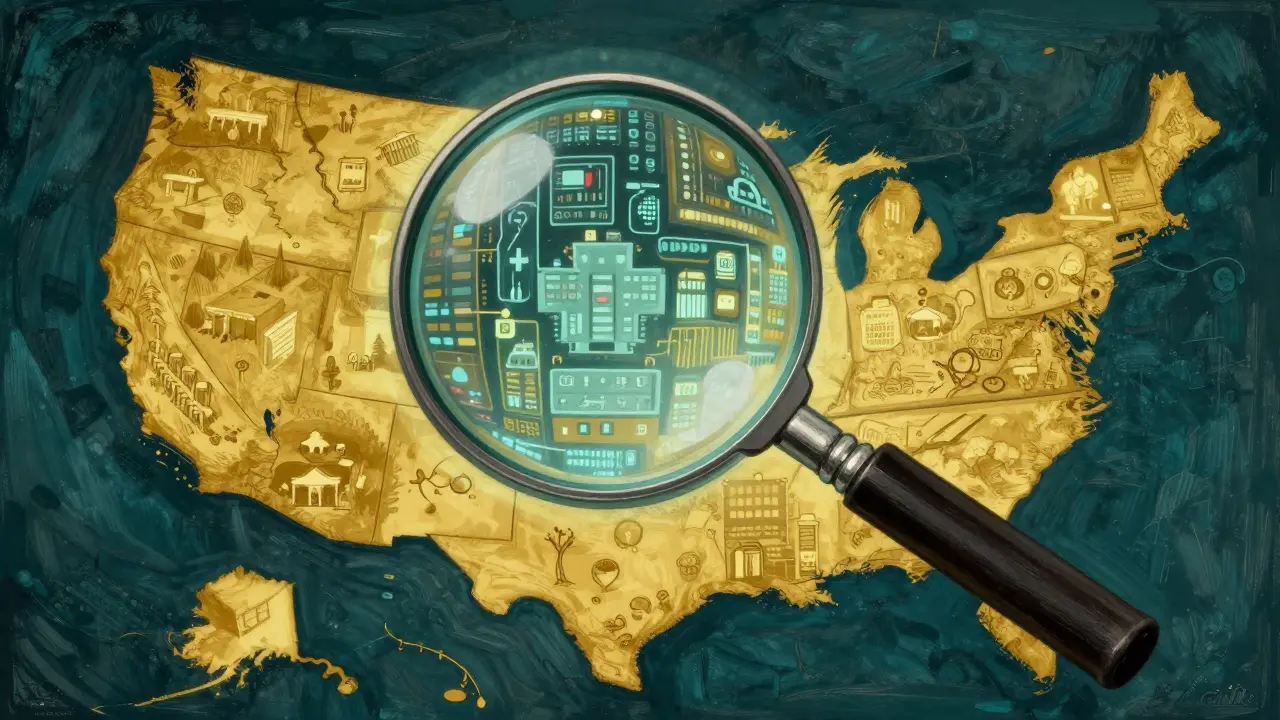
But spontaneous reports from patients are often incomplete. To fix this, the FDA launched the Sentinel Initiative. Instead of waiting for a report, Sentinel proactively combs through electronic health records from over 100 million patients. It's like having a giant, digital magnifying glass that can spot a pattern of illness across different hospitals and states long before a human doctor might notice a trend.
| Tool | Method | Best For | Main Limitation |
|---|---|---|---|
| MedWatch/FAERS | Passive reporting | Rare, acute reactions | High underreporting rate |
| Sentinel | Active surveillance | Broad population trends | Data privacy complexities |
| cGMP Inspections | Physical audits | Manufacturing flaws | Cannot detect chemical side effects |
Watching the Factory: Quality Control and Impurities
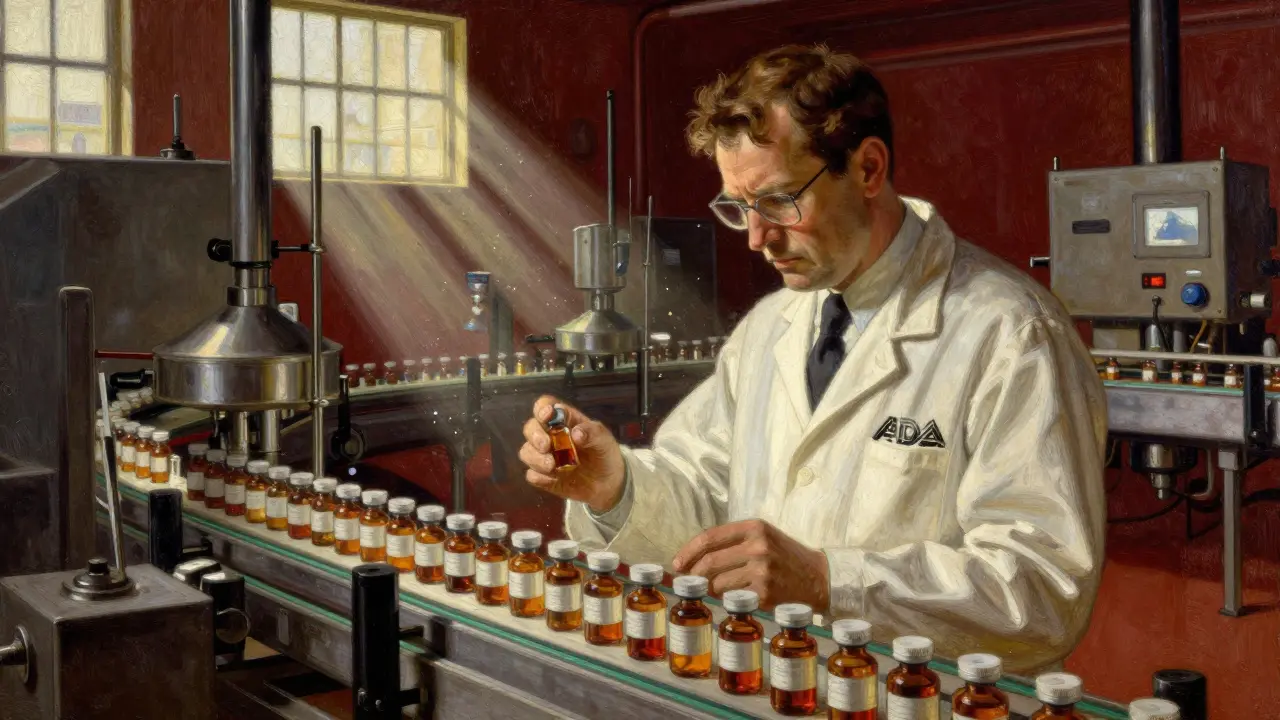
Safety isn't just about how the drug works in the body; it's about how it's made. The FDA enforces Current Good Manufacturing Practices (cGMP) to make sure factories aren't contaminated. Every year, inspectors visit about 1,800 facilities globally. They check everything from how materials are stored to how the lab tests are conducted.
One of the trickiest parts of generic safety is "impurities." Even though a generic is designed to be the same as the brand name, different inactive ingredients (fillers or binders) can sometimes create chemical byproducts. The Office of Pharmaceutical Quality oversees these reviews. If a generic contains an impurity that exceeds safety levels, the FDA's pharmacology teams step in to determine if that impurity could be toxic to humans. This ensures that the generic's safety profile stays comparable to the Reference Listed Drug (RLD).
When Things Go Wrong: Regulatory Actions
What happens when the FDA actually finds a problem? They don't just send an email; they have a range of tools to protect the public. The most common action is a voluntary product recall, where the manufacturer pulls a specific batch of drugs off the shelves. Other times, they might issue a "Dear Healthcare Provider" letter, which is basically a high-priority alert telling doctors to change how they prescribe the drug or to watch for specific symptoms in their patients.
In extreme cases, a drug can be withdrawn from the market entirely. These decisions are made by the OGD Clinical Safety and Surveillance Committee, a group of physicians and chemists who weigh the risks against the benefits. They look at the data from FAERS and Sentinel to decide if the drug is still safe for the general population or if the risk is too high.
The Money Behind the Monitoring: GDUFA
You might wonder how the FDA pays for all these inspections and data analysts. A huge part of the funding comes from the Generic Drug User Fee Amendments (GDUFA). Under this system, generic drug companies pay fees to the FDA to have their products reviewed. Between 2023 and 2027 (GDUFA III), these fees provide the resources needed to monitor "complex generics"-things like nasal sprays or modified-release tablets that are harder to make and harder to track.
This fee-based system allows the FDA to keep up with the sheer volume of drugs. With about 1,000 new generic applications approved every year and generics making up 90% of all prescriptions in the U.S., the scale of the job is enormous. Without this funding, the gap between a safety issue appearing and the FDA finding it would be much wider.
Challenges in the Modern Market
Despite the tech, the system isn't perfect. One major headache is "therapeutic inequivalence." This happens when a generic is chemically the same as the brand name but doesn't work the same way in a specific patient because of the allowable differences in inactive ingredients. This is especially common in complex generics like inhalers, where the way the drug is delivered to the lungs can vary slightly between manufacturers.
There is also the problem of underreporting. Some experts suggest that only 1% to 10% of actual adverse events ever get reported through MedWatch. While the Sentinel Initiative helps bridge this gap by using big data, the FDA still relies heavily on the vigilance of pharmacists and doctors to report anomalies.
Are generic drugs less safe because they have fewer clinical trials?
Not necessarily. While they don't repeat the massive trials of brand-name drugs, generics must prove bioequivalence. The FDA compensates for the smaller trial size by using aggressive post-market surveillance tools like FAERS and the Sentinel Initiative to monitor millions of real-world users.
What is a "safety signal" in drug monitoring?
A safety signal is a reported piece of information about a possible adverse event that suggests a potential causal relationship between a drug and an event. It isn't proof of a problem, but rather a "red flag" that tells the FDA to start a formal investigation.
How does the FDA handle impurities in generic medications?
The Office of Pharmaceutical Quality (OPQ) reviews impurities. If an impurity exceeds established safety levels, the FDA's pharmacology and toxicology teams analyze its potential toxicity using published literature and specialized studies (in vitro or in vivo) to ensure it doesn't harm the patient.
What should I do if I suspect a generic drug is causing a side effect?
You or your healthcare provider should report the event through the FDA's MedWatch program. These reports are critical because they feed into the FAERS database, which helps the FDA spot safety signals that might not be apparent in clinical trials.
What is the difference between GDUFA and the ANDA process?
The ANDA (Abbreviated New Drug Application) is the actual application a company submits to get a generic drug approved. GDUFA (Generic Drug User Fee Amendments) is the funding mechanism where companies pay fees to the FDA to speed up and fund the review and monitoring of those applications.
Next Steps for Patients and Providers
If you are a patient using a generic medication and notice a change in how it works, don't just switch brands without talking to your doctor. Keep a log of your symptoms and the specific lot number of the medication. For healthcare providers, the best way to support this system is by consistently reporting adverse events via MedWatch, even if you aren't certain the drug caused the reaction. This data is the fuel that allows the FDA's surveillance engines to protect the public.



Written by Martha Elena
I'm a pharmaceutical research writer focused on drug safety and pharmacology. I support formulary and pharmacovigilance teams with literature reviews and real‑world evidence analyses. In my off-hours, I write evidence-based articles on medication use, disease management, and dietary supplements. My goal is to turn complex research into clear, practical insights for everyday readers.
All posts: Martha Elena