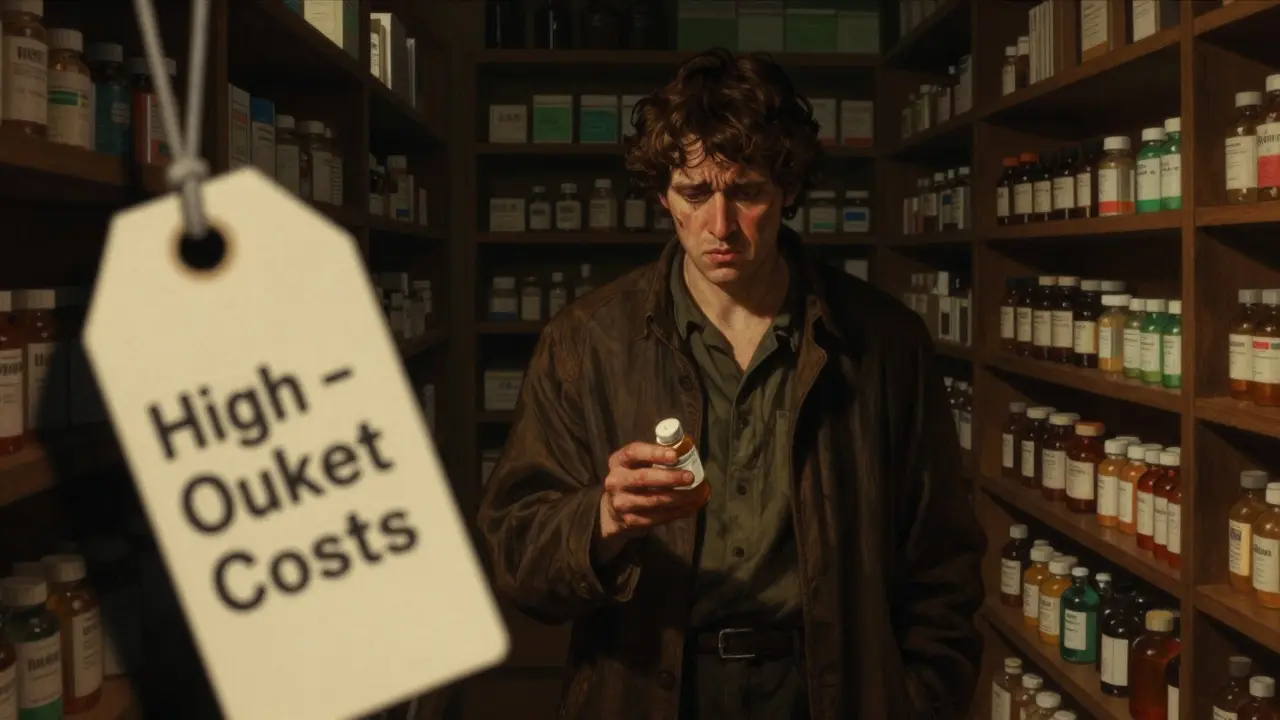
Imagine being prescribed a life-saving medication, only to skip doses because the copay feels like a small fortune. This isn't just a hypothetical scenario; it is the daily reality for millions of patients. High out-of-pocket costs are one of the biggest barriers to patient adherence, which refers to how closely patients follow their prescribed treatment plans. When medications are too expensive, people stop taking them. The result? Worse health outcomes, more hospital visits, and skyrocketing healthcare bills. But there is a proven solution that often gets overlooked: lowering the price of generic drugs.
The Direct Link Between Cost and Compliance
The relationship between what you pay at the pharmacy counter and whether you actually take your medicine is not subtle. It follows a clear "dose-response" pattern. Research published in the Journal of Managed Care & Specialty Pharmacy (JMCP) in 2022 reviewed 160 studies and found a consistent truth: higher cost-sharing leads to lower adherence. Specifically, for every $10 increase in out-of-pocket costs, adherence rates drop by 2-4% across various therapeutic classes.
This isn't just about convenience; it's about survival and quality of life. A landmark study by Chen et al. (2012) looked at Medicare Part D beneficiaries taking statins for cholesterol. When these brand-name drugs were moved to a lower-cost tier, the proportion of days covered (PDC)-a standard measure of adherence-jumped by 5.9%. That might sound like a small number, but in public health terms, that represents thousands of patients staying on track with their heart health simply because the financial barrier was removed.
Consider the case of breast cancer treatment. Hershman et al. (2011) studied women using aromatase inhibitors. Those on brand-name medications had a discontinuation rate of 22.3%, compared to just 17.8% for those on generics. Why? Because the copay difference was stark. Patients on brand names faced significantly higher costs, leading directly to nonadherence. When the cost comes down, compliance goes up.
Why Generics Are the Game Changer
If you have ever wondered why generic drugs are so much cheaper, it comes down to competition and development costs. Brand-name manufacturers spend billions on research and clinical trials. Once patents expire, other companies can produce the same active ingredient without repeating those expensive steps. According to the Food and Drug Administration (FDA), generic drugs must contain the same active ingredient, strength, dosage form, and route of administration as the brand-name version. They must also demonstrate bioequivalence, meaning they work in the body within 80-125% of the brand-name drug's pharmacokinetic profile.
| Feature | Brand-Name Drugs | Generic Drugs |
|---|---|---|
| Average Cost Difference | Baseline | 80-85% less expensive |
| Active Ingredient | Unique formulation | Identical to brand |
| Bioequivalence | N/A | 80-125% of brand profile |
| Adherence Rates | Lower (when priced high) | 15-20% higher (at comparable prices) |
| Market Share | ~10% of prescriptions | ~90% of prescriptions |
Despite this equivalence, many patients still hesitate. There is a persistent myth that "cheap means low quality." However, data from the U.S. Pharmacist (2021) shows that when priced comparably, adherence rates for generics are actually 15-20% higher than for brands. This suggests that beyond just the price tag, there may be a psychological comfort or trust issue that needs addressing through education, such as the FDA's "It's Okay to Use Generics" campaign.
The Hidden Costs of Nonadherence
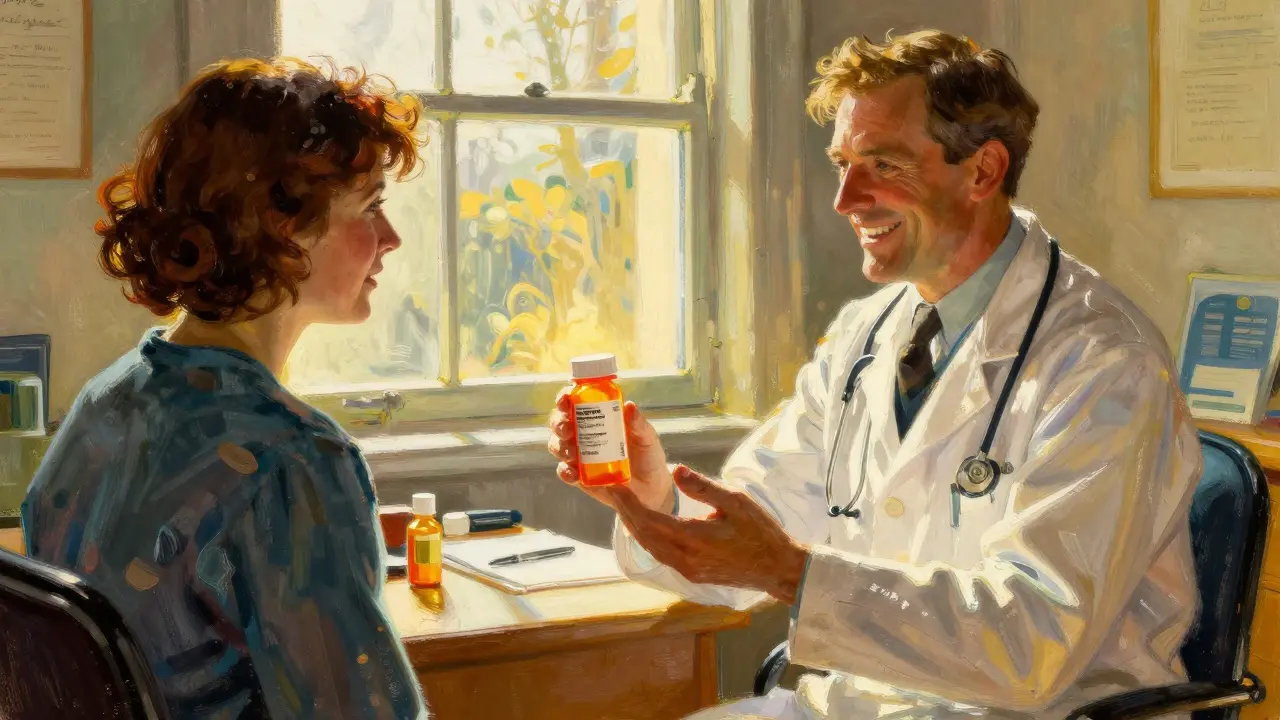
When we talk about saving money on prescriptions, we often look only at the pharmacy receipt. But the real economic impact lies in what happens when patients don't take their meds. Medication non-adherence accounts for up to 50% of all treatment failures. In the United States, this leads to over 100,000 preventable deaths annually and generates between $100 billion and $300 billion in preventable healthcare costs, according to Magellan Health Insights (2024).
Let's look at diabetes management. A 2023 study in the Diabetes Care Journal focused on GLP-1 receptor agonists. They found that every $10 increase in out-of-pocket cost reduced the likelihood of adherence by 3.7%. What happened next? Non-adherent patients saw a 5.2% increase in emergency department visits. Emergency care is exponentially more expensive than a monthly prescription. By spending a little more on ensuring access to affordable generics, the healthcare system saves a lot more by avoiding crises.
Roebuck et al. (2011) published in Health Affairs highlighted a crucial insight: medication adherence leads to lower overall health care use and costs, despite increased drug spending. Adherent patients had 15-20% fewer hospitalizations. This is the core argument for value-based insurance design-aligning copayments with the true value of the medication to the patient's long-term health.
Real-World Impact: Voices from Patients
Statistics tell us the trend, but patient stories tell us the human cost. A 2023 survey in JAMA Network Open of 2,131 adults revealed that 32.7% reported cost-related medication nonadherence (CRN). These patients admitted to skipping doses, splitting pills, or delaying fills to save money. Among those who experienced CRN, 78.1% said that if actual prices exceeded estimates, they would stop or delay treatment. This highlights a critical gap: transparency.
Social media provides raw, unfiltered evidence of this dynamic. On Reddit’s r/healthinsurance forum, users frequently share experiences where switching to generics changed their lives. One user, u/HeartHealthJourney, noted: "After my cardiologist switched me from brand-name Crestor ($75 copay) to generic rosuvastatin ($5 copay), I went from missing 3-4 doses weekly to perfect adherence for 11 months straight." This single switch saved the patient hundreds of dollars and likely prevented a cardiac event. These anecdotes validate the large-scale data: lower prices remove the friction that stops people from getting healthy.
Policy Shifts and Future Solutions
The landscape of drug pricing is changing. The Inflation Reduction Act of 2022 has introduced significant reforms, including capping insulin costs at $35/month for Medicare beneficiaries and eliminating the catastrophic coverage gap by 2025. Furthermore, Medicare Part D now includes a $2,000 annual out-of-pocket cap starting in 2025, which the Congressional Budget Office projects will improve adherence for 1.4 million beneficiaries.
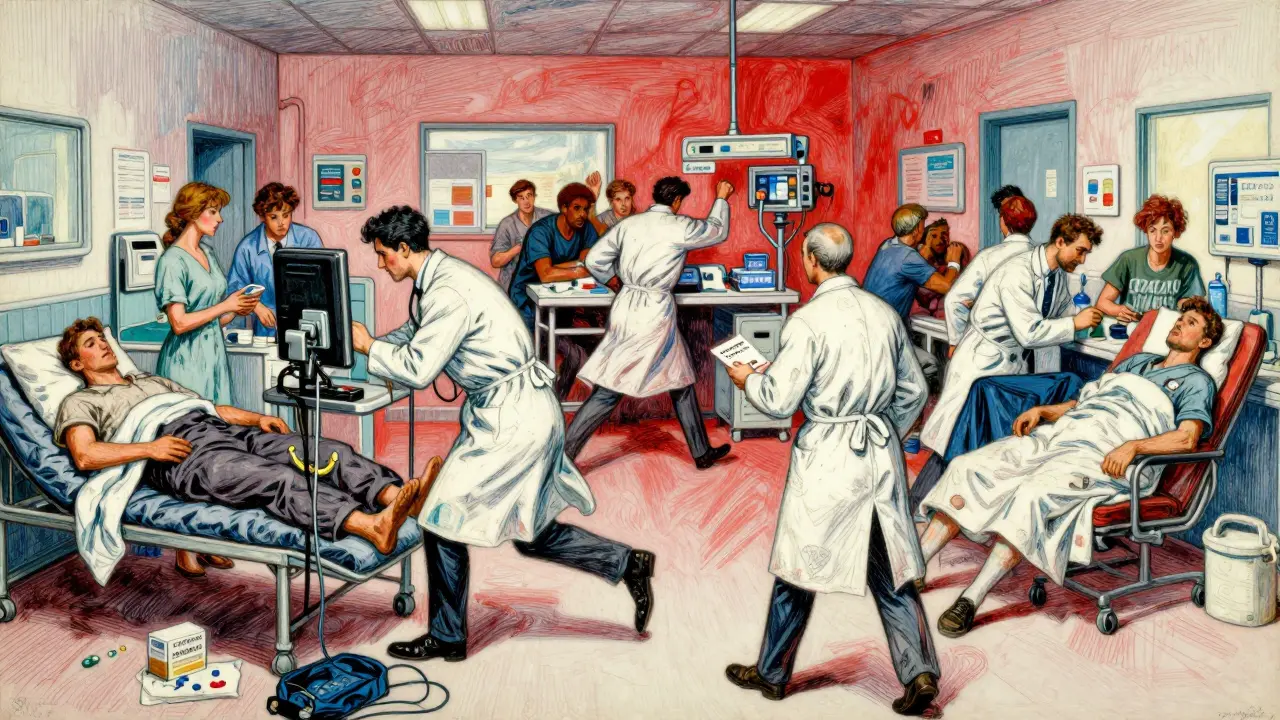
Technology is also playing a role. Real-time benefit tools (RTBTs) integrated into electronic health records allow doctors to see the exact copay a patient will face before writing a prescription. Pilot programs by Magellan Healthcare report a 2:1 return on investment and a 40% reduction in care gaps when using these tools. If a doctor sees that a brand-name drug will cost a patient $100 but a generic alternative costs $10, they can intervene immediately. This requires coordination between EHR systems, pharmacy benefit managers, and prescribers, typically taking 6-8 weeks to set up, but the payoff is immediate.
Looking ahead, the FDA's Generic Drug User Fee Amendments (GDUFA III) commit $1.1 billion to streamline approvals, aiming to add 1,500+ new generic medications to the market by 2027. This influx of competition should help maintain the 80-85% cost savings differential versus brand-name drugs, ensuring that affordability remains a cornerstone of healthcare access.
Practical Steps for Patients and Providers
So, what can you do today? For patients, always ask your doctor if a generic equivalent exists. Don't assume the brand name is necessary unless specifically explained. Use tools like GoodRx to compare prices across pharmacies, as copays can vary wildly even within the same insurance plan. If you are struggling with costs, talk to your provider. They may have samples or assistance programs available.
For providers, consider integrating cost-conscious prescribing into your workflow. Utilize RTBTs if your health system offers them. Educate your patients about the safety and efficacy of generics to overcome hesitation. Small conversations about price can have massive impacts on long-term health outcomes.
Are generic drugs really as effective as brand-name drugs?
Yes. The FDA requires generic drugs to be bioequivalent to their brand-name counterparts, meaning they contain the same active ingredients and work in the body in the same way. Studies show that adherence rates for generics are often higher due to lower costs, leading to better health outcomes.
How much can I save by switching to generics?
On average, generic drugs cost 80-85% less than brand-name equivalents. Depending on your insurance plan, this could mean the difference between a $100 copay and a $5 copay, resulting in significant annual savings.
What is cost-related medication nonadherence (CRN)?
CRN occurs when patients decide not to fill a prescription, skip doses, take less medicine, or delay filling a prescription due to cost concerns. A 2023 JAMA study found that nearly one-third of adults have experienced some form of CRN.
Do insurance plans force me to take generics?
Many insurance plans use tiered formularies that place generics in lower-cost tiers and brand-name drugs in higher-cost tiers. This encourages patients to choose the more affordable option without strictly prohibiting brand-name drugs, though prior authorization may be required for brands.
How does lower drug pricing affect overall healthcare costs?
Lower drug prices improve adherence, which reduces hospitalizations and emergency room visits. Non-adherence costs the U.S. healthcare system $100-$300 billion annually. By keeping patients on their medications, the system avoids far more expensive acute care interventions.



Written by Martha Elena
I'm a pharmaceutical research writer focused on drug safety and pharmacology. I support formulary and pharmacovigilance teams with literature reviews and real‑world evidence analyses. In my off-hours, I write evidence-based articles on medication use, disease management, and dietary supplements. My goal is to turn complex research into clear, practical insights for everyday readers.
All posts: Martha Elena