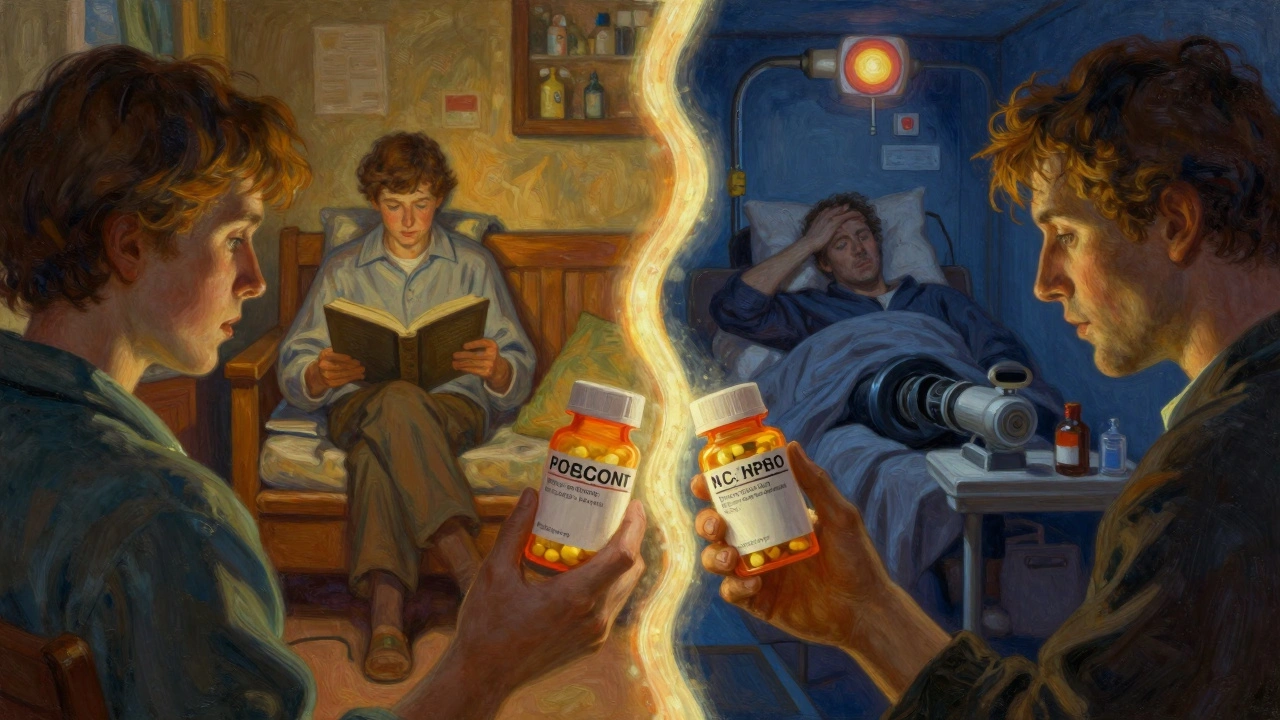
When your insurance pushes you to switch from a brand-name drug to a generic, it’s not just about saving money-it’s about making sure your treatment still works. But not all generics are the same. There’s a big difference between an authorized generic and a regular generic, and choosing the wrong one could mean side effects, loss of control over your condition, or even a trip to the ER.
What’s the real difference between authorized and regular generics?
An authorized generic is the exact same pill, capsule, or injection you got from the brand-name company-just without the brand name on the label. It’s made in the same factory, with the same ingredients, same coating, same fillers, same everything. For example, if you’re taking Celebrex, the authorized generic is made by Pfizer using the exact same recipe. No changes. No surprises.
Regular generics, on the other hand, are copies. They have the same active ingredient, sure-but the rest? Different. The fillers, the binders, the dye, the way it dissolves in your stomach-all of that can vary. The FDA allows regular generics to differ by up to 25% in how quickly they’re absorbed into your bloodstream. That might sound small, but for some drugs, that’s the difference between control and crisis.
Why does this matter for your health?
For most people, regular generics work just fine. Statins, blood pressure meds like lisinopril, even some antidepressants-switching to a regular generic often saves hundreds a year with zero issues. But for certain medications, even tiny changes can cause big problems.
Think about epilepsy. Lamotrigine (Lamictal) is a classic example. Studies show that switching from brand to a regular generic has led to breakthrough seizures in some patients. Why? Because the inactive ingredients changed how the drug was absorbed. The same thing happens with thyroid meds like levothyroxine, immunosuppressants like cyclosporine, and blood thinners like warfarin. These drugs have a narrow therapeutic index-meaning the dose that works is very close to the dose that’s dangerous. Even a 5% shift in absorption can throw your levels off.
A 2022 study of over 5,000 patients found that 18.7% reported problems after switching to regular generics-things like nausea, dizziness, or feeling like the drug just didn’t work anymore. Only 6.2% had issues with authorized generics. And when patients with epilepsy or thyroid disorders switched from a regular generic back to the authorized version? Symptoms often disappeared.
Cost: The trade-off you can’t ignore
Here’s the catch: authorized generics aren’t cheap. They cost 10-30% less than the brand name, but they’re usually 5-15% more expensive than regular generics. For example:
- Brand-name Concerta (methylphenidate ER): $210 for 30 days
- Authorized generic Concerta: $185
- Regular generic Concerta: $165
That $20 difference might not seem like much-but if you’re on a fixed income or your insurance doesn’t cover the authorized version, it adds up fast. And here’s the kicker: most insurance plans automatically switch you to the cheapest generic, which is almost always the regular one. You won’t even know you got the cheaper version unless you check the label or ask your pharmacist.
How to tell them apart at the pharmacy
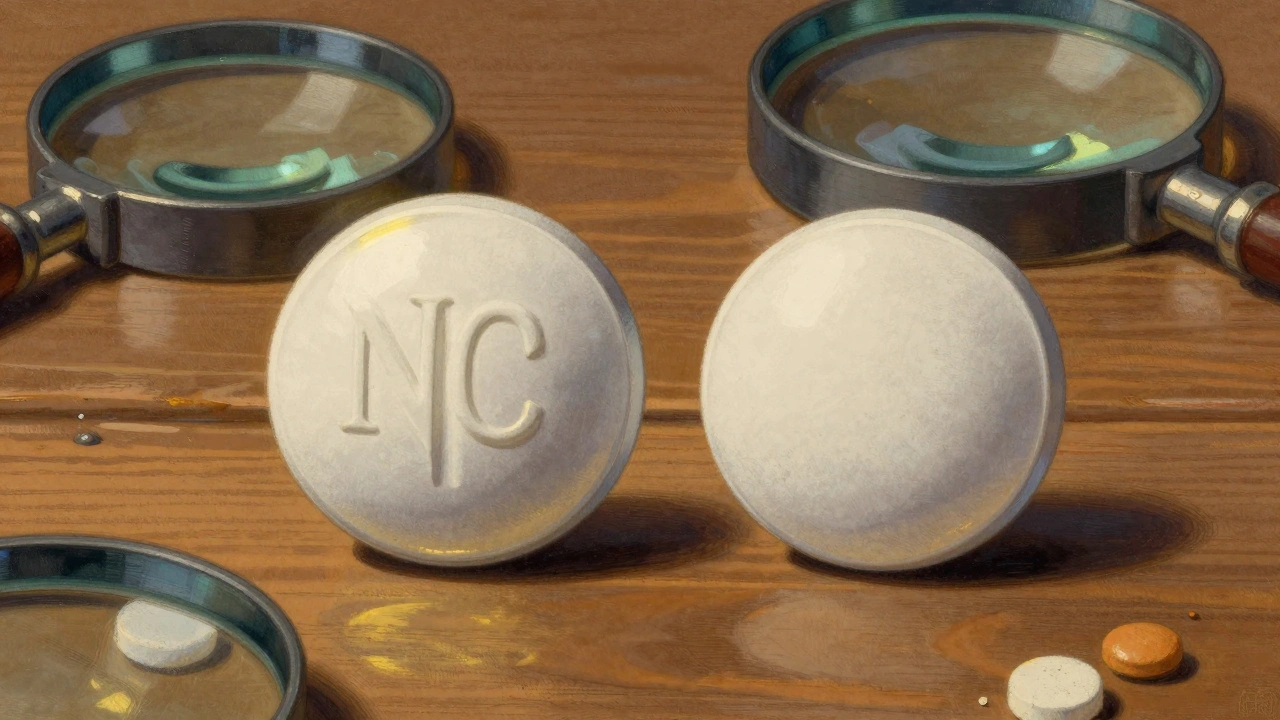
Most patients don’t realize they’re getting a regular generic instead of an authorized one. The packaging looks almost identical. The pill color and shape might even be the same. But there’s one way to know for sure: the National Drug Code (NDC).
The NDC is a 10-digit number on the bottle or box. If the NDC matches the brand-name drug’s NDC, you’ve got the authorized generic. If it’s different, you’ve got a regular generic. Ask your pharmacist to show you the NDC. If they don’t know what you’re talking about, it’s time to find a new one.
You can also check GoodRx or the FDA’s Orange Book (a public database of approved drugs). If the generic is listed as an authorized version, it’s the same as the brand. If it’s not listed there, it’s a regular generic.
When should you push for an authorized generic?
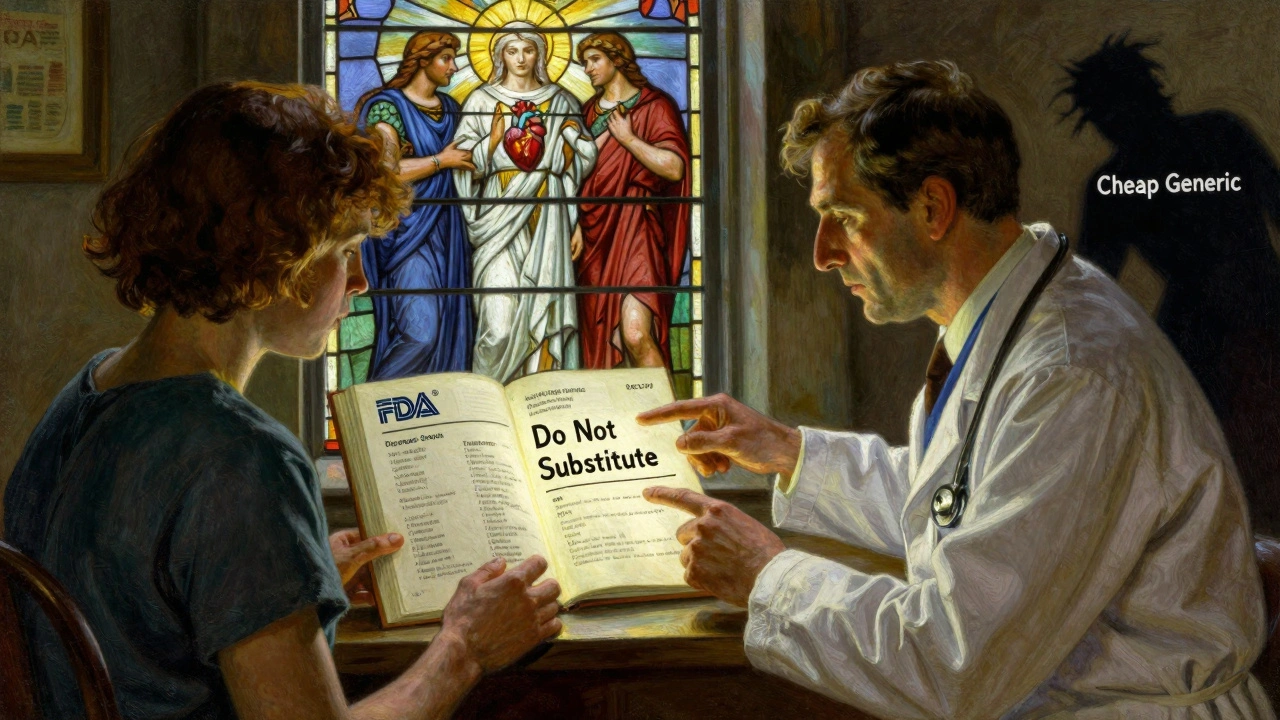
You should ask your doctor to write "Do Not Substitute" on your prescription if you’re taking any of these:
- Anti-seizure medications (lamotrigine, phenytoin, carbamazepine)
- Thyroid hormone (levothyroxine)
- Immunosuppressants (cyclosporine, tacrolimus)
- Blood thinners (warfarin)
- Some ADHD meds (methylphenidate ER, lisdexamfetamine)
- Drugs with complex delivery systems (extended-release, transdermal patches, inhalers)
These aren’t just opinions-they’re backed by guidelines from the American Academy of Neurology, the American College of Clinical Pharmacy, and the FDA itself. For these drugs, the exact formulation matters. And if your insurance denies coverage for the authorized generic, you can appeal. Many patients have successfully gotten coverage by providing lab results showing their drug levels dropped after switching.
What do experts say?
Dr. Aaron Kesselheim, a leading researcher on generic drugs at Harvard, says: "For most medications, regular generics are fine. But for drugs where small changes in absorption can be dangerous, authorized generics are the safest option."
And it’s not just doctors. Patients on forums like Reddit and Drugs.com report the same thing: those who switched to authorized generics for epilepsy or thyroid issues saw immediate improvement. Others who took regular generics for high blood pressure or cholesterol say they saved money with no issues.
The bottom line? It’s not one-size-fits-all. For some, the savings of a regular generic are worth it. For others, the peace of mind-and safety-of an authorized generic is non-negotiable.
What’s changing in 2025?
The FDA is now requiring clearer labeling on authorized generics starting January 2024. That means you’ll see phrases like "Authorized Generic of [Brand Name]" right on the box. Medicare Part D plans are also required to tell you if an authorized generic is available for your drug. This transparency is expected to increase usage by 15-20% over the next two years.
Meanwhile, more brand-name companies are launching authorized generics right after their patents expire-not just to make money, but to keep patients stable. In 2023, 18 new authorized generics were approved for complex drugs like inhalers and topical creams, up from just 5 in the previous five years.
What should you do next?
Don’t wait for your insurance to switch you. Take action:
- Check your current prescription. Is it a brand, a regular generic, or an authorized generic?
- If it’s a regular generic and you’re on a narrow therapeutic index drug, talk to your doctor about switching to the authorized version.
- Ask your pharmacist for the NDC code and compare it to your brand-name version.
- If your insurance won’t cover the authorized generic, file an appeal with your doctor’s support.
- Use GoodRx or the FDA’s Orange Book to verify what you’re getting.
Switching to generics is smart. But switching to the wrong kind? That’s a risk you don’t have to take.
Are authorized generics just brand-name drugs with a different label?
Yes. An authorized generic is manufactured by the same company that makes the brand-name drug, using the exact same ingredients, formula, and production process. The only difference is the label-it doesn’t carry the brand name. It’s not a copy. It’s the same product, sold under a different name.
Why are authorized generics more expensive than regular generics?
Because they’re made by the original brand manufacturer, they don’t have the same cost savings as regular generics, which are made by separate companies using different processes and sometimes cheaper ingredients. Authorized generics avoid the R&D and marketing costs of brand-name drugs, but they still carry the overhead of the original production line, so they’re priced higher than regular generics-usually 5-15% more.
Can I ask my doctor to prescribe an authorized generic specifically?
Yes. You can ask your doctor to write "Dispense as Written" or "Do Not Substitute" on your prescription. This prevents the pharmacist from automatically switching you to a cheaper generic. You can also ask for the authorized generic by name-if your doctor doesn’t know it exists, they can check the FDA’s database or GoodRx.
Do all brand-name drugs have an authorized generic?
No. Only about 25% of off-patent brand-name drugs have an authorized generic available. The brand manufacturer must choose to produce one, and many don’t, especially for older or low-cost drugs. Check the FDA’s Orange Book or use GoodRx’s Medication Switch Checker to see if one exists for your medication.
Is it safe to switch from a brand to a regular generic?
For most people and most medications, yes. Over 90% of generic prescriptions are filled with regular generics, and most patients experience no issues. But for drugs with narrow therapeutic indices-like thyroid meds, seizure drugs, or blood thinners-the risk of side effects or loss of effectiveness is higher. Always check with your doctor before switching if you’re on one of these.






Written by Martha Elena
I'm a pharmaceutical research writer focused on drug safety and pharmacology. I support formulary and pharmacovigilance teams with literature reviews and real‑world evidence analyses. In my off-hours, I write evidence-based articles on medication use, disease management, and dietary supplements. My goal is to turn complex research into clear, practical insights for everyday readers.
All posts: Martha Elena