It’s easy to feel better after a few days of antibiotics and think, “I’m fine now-I don’t need to finish the rest.” But stopping early isn’t just a convenience-it’s a risk. Every pill you skip gives surviving bacteria a chance to grow stronger, turning a simple infection into something harder to treat. And when those resistant bugs spread, they don’t just affect you-they spread through your home, your community, even your water supply.
Why Finishing the Full Course Matters More Than You Think
Antibiotics don’t work like painkillers. You don’t take them until the ache goes away. You take them to kill all the bacteria-every last one. Even if you feel 90% better on day three, there are still millions of bacteria hiding in your body. Those are the tough ones. The ones that survived the first round. If you stop early, they’re the ones that multiply. And they pass on their resistance to future generations of bacteria.
The CDC says stopping antibiotics too early is one of the top three reasons antibiotic resistance grows in homes. Studies show incomplete courses raise your risk of drug-resistant infections by 23% to 37%. That’s not a small number. It means for every four people who quit early, one ends up with an infection that won’t respond to the same drug next time.
This isn’t just theory. In 2023, a study tracking seniors in home care found that 38% didn’t finish their antibiotics. Those people had 22% higher chances of being readmitted to the hospital. Why? Because the infection came back-and this time, it was harder to kill.
How to Actually Remember to Take Every Dose
Let’s be honest: remembering to take pills at 8 a.m., 8 p.m., and 2 a.m. is hard. Especially if you’re juggling five other medications, dealing with fatigue, or caring for someone else.
Here’s what works:
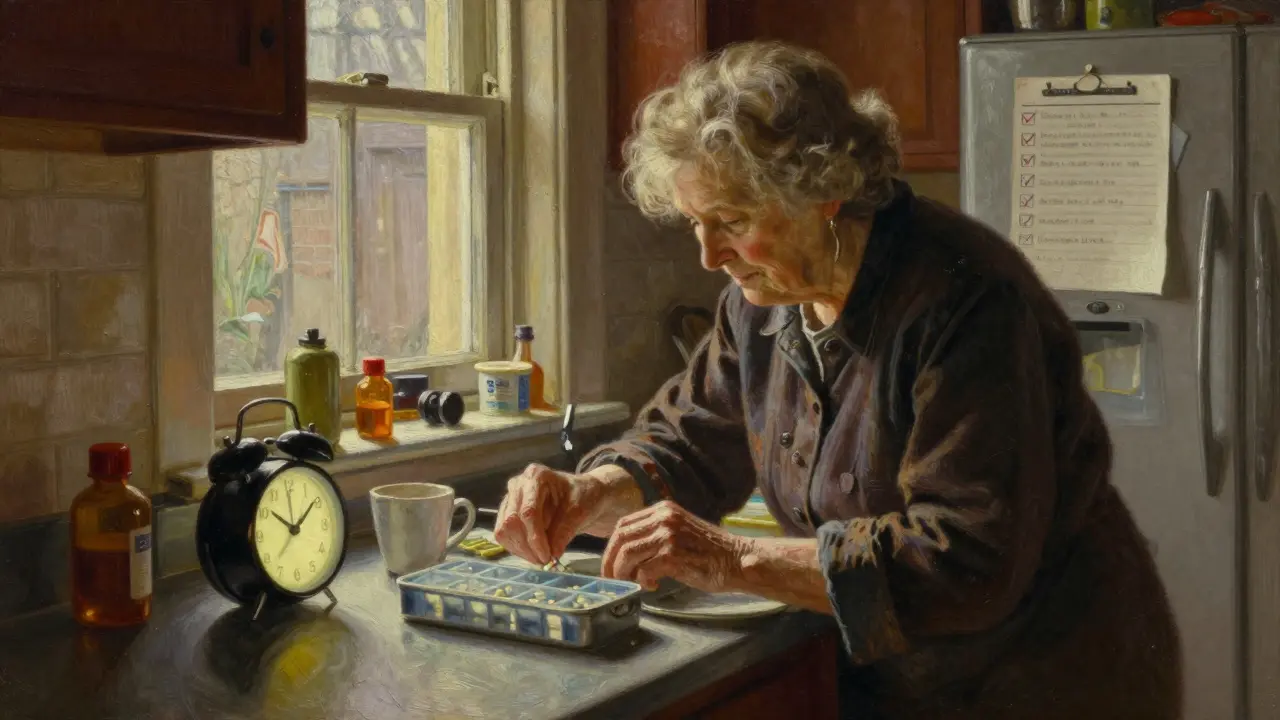
- Pill organizers with alarms-These aren’t just boxes with compartments. Some, like the Hero Smart Medication Dispenser, automatically release pills at set times and send alerts to your phone. If you miss a dose, it texts you. Cost: around $299 upfront, $25/month. Worth it if you’ve ever missed a dose.
- Smartphone apps-Medisafe, MyTherapy, and CareClinic let you set reminders for each antibiotic. They track doses, warn you if you’re late, and even let family members get alerts if you miss one. Rated 4.7 out of 5 by over 14,000 users.
- Anchor it to a habit-Take your antibiotic right after brushing your teeth, or with your morning coffee. Linking it to something you already do every day cuts down on forgetfulness.
- Write it down-Keep a simple checklist taped to the fridge. Put a checkmark after each dose. Seeing the progress helps.
For seniors with dementia or memory issues, caregivers should avoid relying on memory alone. Use tech. Use alarms. Use a system. Don’t assume they’ll remember.
Never Save Leftover Antibiotics for Next Time
You’ve got three pills left. The cough is gone. The fever’s gone. So you tuck them in the medicine cabinet-just in case you get sick again.
Don’t do it.
Leftover antibiotics are dangerous for three reasons:
- They’re not the right drug-Next time you’re sick, it might be a virus. Antibiotics don’t work on colds or flu. Taking them anyway adds zero benefit and full risk.
- They’re expired or weakened-Antibiotics lose potency over time. A pill from last winter might not kill anything anymore.
- They breed superbugs-Taking the wrong dose of the wrong antibiotic for the wrong illness is the perfect storm for resistance.
The CDC and IDSA both say: Never use leftover antibiotics from a previous prescription. That’s not advice-it’s a rule backed by data. In 2023, a CDC survey found 61% of home users kept leftover antibiotics. That’s over half of people risking resistance just to save a few pills.
How to Dispose of Unused Antibiotics (The Right Way)
Flushing them down the toilet? Throwing them in the trash? Those are the two most common-but worst-ways to get rid of old meds.
Here’s what the FDA and CDC recommend:
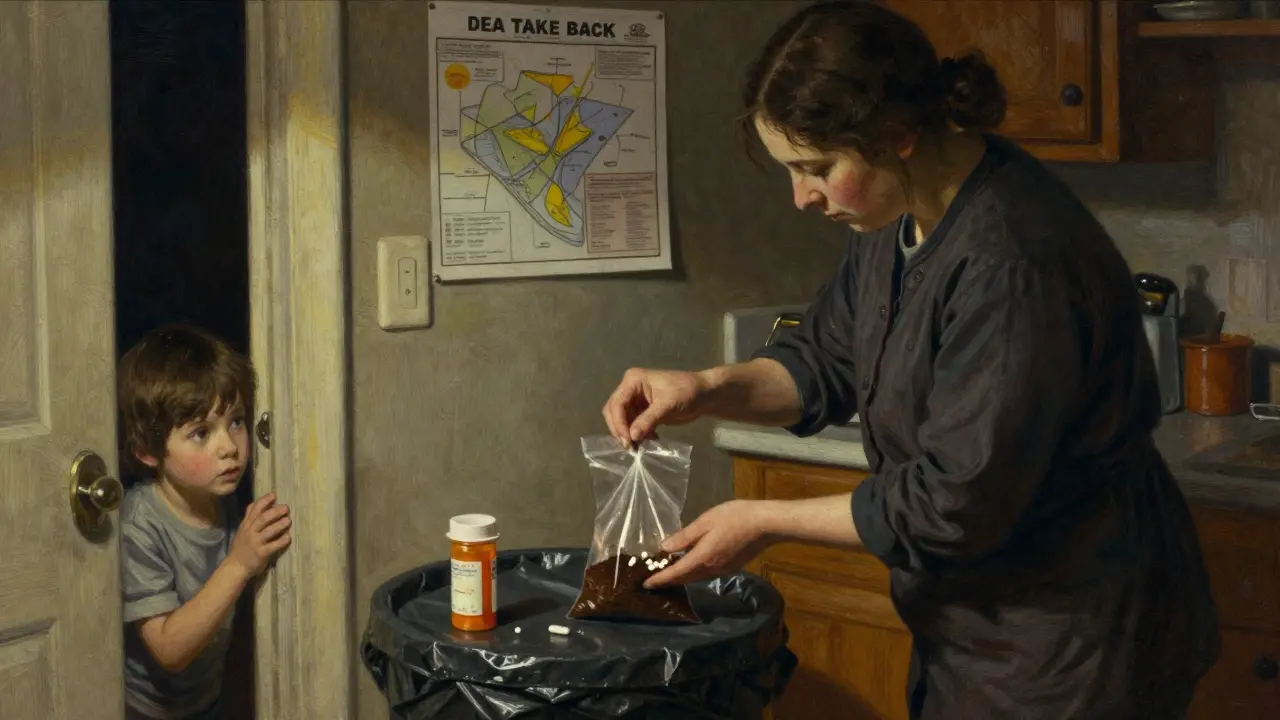
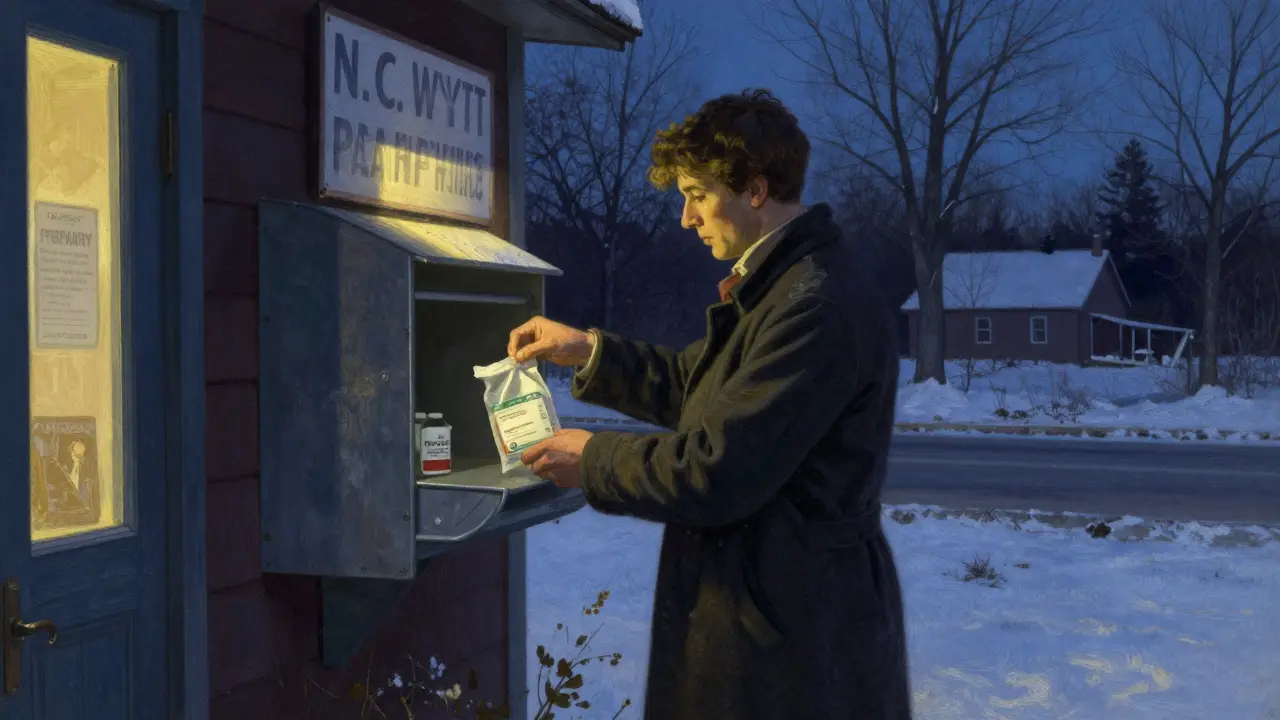
- Use a drug take-back program-Many pharmacies, hospitals, and police stations have drop-off boxes for unused medications. Find one near you through the DEA’s website or call your local pharmacy.
- If no take-back is available, mix and trash-Take the pills out of their original bottle. Mix them with something unappetizing-used coffee grounds, kitty litter, or dirt. Put the mixture in a sealed plastic bag. Throw it in your household trash. This makes it unappealing and unrecognizable to kids, pets, or people who might dig through the trash.
- Remove personal info-Before tossing the empty bottle, scratch off or black out your name and prescription details. Protect your privacy.
Why not flush? Because traces of antibiotics end up in rivers, lakes, and drinking water. A 2022 study found detectable antibiotic residues in 63% of U.S. waterways near populated areas. These aren’t just chemicals-they’re breeding grounds for resistant bacteria in the environment.
What to Do If You Feel Better Before the Course Ends
Feeling good doesn’t mean you’re cured. It means the antibiotics are working. But bacteria can still be lurking.
Here’s your action plan:
- Call your doctor-If you feel better before the course ends, don’t assume you can stop. Ask: “Should I still finish all the pills?” Some newer guidelines suggest shorter courses for certain infections, but only your doctor knows if yours is one of them.
- Watch for red flags-If symptoms come back, even mildly, stop and call your provider. A relapse could mean resistance is developing.
- Don’t pressure for antibiotics-If you have a cold, sore throat, or sinus pressure, ask: “Could this be viral?” Don’t push for a script unless it’s clearly bacterial. Overuse starts with us.
Why Home Stewardship Is Different From Hospitals
Hospitals have teams of pharmacists, infection control experts, and daily check-ins. Homes don’t. That’s why home stewardship has to be simpler, smarter, and more personal.
In nursing homes, 78% use “antibiotic timeouts”-a 48- to 72-hour check-in to ask: Is this still needed? In home care? Only 12% do.
But homes have one advantage: caregivers notice things hospitals miss. A change in appetite. A shift in energy. A new cough that wasn’t there before. That’s why family members are key. You’re not just a pill dispenser-you’re a health monitor.
Start a simple log: Day 1: Fever gone. Still taking antibiotic. No side effects. That info helps your doctor decide if the course can be shortened-or if something else is going on.
What’s Changing in 2025 and Beyond
The CDC is finalizing its first-ever Home Care Antibiotic Stewardship Core Elements, expected late 2025. This will be the first official guide for families and caregivers on how to safely manage antibiotics at home.
In the meantime, AALLCare released updated guidelines in October 2024 that say clearly: “Complete the full course, even if the senior feels better.” And the FDA’s 2024 National Action Plan aims to cut inappropriate antibiotic use in homes by 15% by 2027.
Telehealth is helping too. Johns Hopkins piloted virtual check-ins for home patients on antibiotics. Result? A 28% drop in unnecessary antibiotic days.
The tools are getting better. The awareness is growing. But the biggest change still starts with you.
Final Rule: Your Antibiotics, Your Responsibility
Antibiotic stewardship isn’t just for doctors. It’s for the person who opens the bottle. The one who sets the alarm. The one who throws away the leftovers.
Finish every pill. Don’t save them. Don’t share them. Don’t guess. And if you’re unsure-call your provider. That’s not being paranoid. That’s being smart.
One course completed properly might save a life. Not just yours. Someone else’s too.
What happens if I stop my antibiotic early?
Stopping early leaves behind the toughest bacteria, which can multiply and become resistant to the antibiotic. This increases your risk of a relapse or a future infection that won’t respond to the same drug. Studies show incomplete courses raise resistance risk by 23-37%.
Can I give my leftover antibiotics to someone else?
Never. Antibiotics are prescribed for a specific infection, at a specific dose, for a specific person. What worked for you might be the wrong drug, wrong dose, or wrong timing for someone else. It could make their illness worse-or create a superbug.
Is it safe to flush antibiotics down the toilet?
No. Flushing sends antibiotic residues into water systems, contributing to environmental resistance. The FDA and CDC recommend mixing unused pills with coffee grounds or kitty litter, sealing them in a bag, and throwing them in the trash instead.
How do I remember to take my antibiotic on time?
Use a pill organizer with alarms, a smartphone app like Medisafe, or link the dose to a daily habit like brushing your teeth. For seniors or caregivers, tech tools like the Hero dispenser can automatically release pills and send alerts if a dose is missed.
Should I still finish the course if I have side effects?
Call your doctor. Some side effects like mild nausea or diarrhea are common and can be managed. But if you have severe diarrhea, rash, swelling, or trouble breathing, stop the antibiotic and seek help immediately. Never ignore serious reactions, but don’t stop without talking to your provider first.
Are there any new tools to help with home antibiotic stewardship?
Yes. In October 2024, AALLCare released new guidelines for seniors and caregivers. The CDC is also releasing a Home Care Stewardship Toolkit in early 2025. Telehealth check-ins and smart dispensers like Hero are now proven tools that help reduce unnecessary antibiotic use at home.

Written by Martha Elena
I'm a pharmaceutical research writer focused on drug safety and pharmacology. I support formulary and pharmacovigilance teams with literature reviews and real‑world evidence analyses. In my off-hours, I write evidence-based articles on medication use, disease management, and dietary supplements. My goal is to turn complex research into clear, practical insights for everyday readers.
All posts: Martha Elena