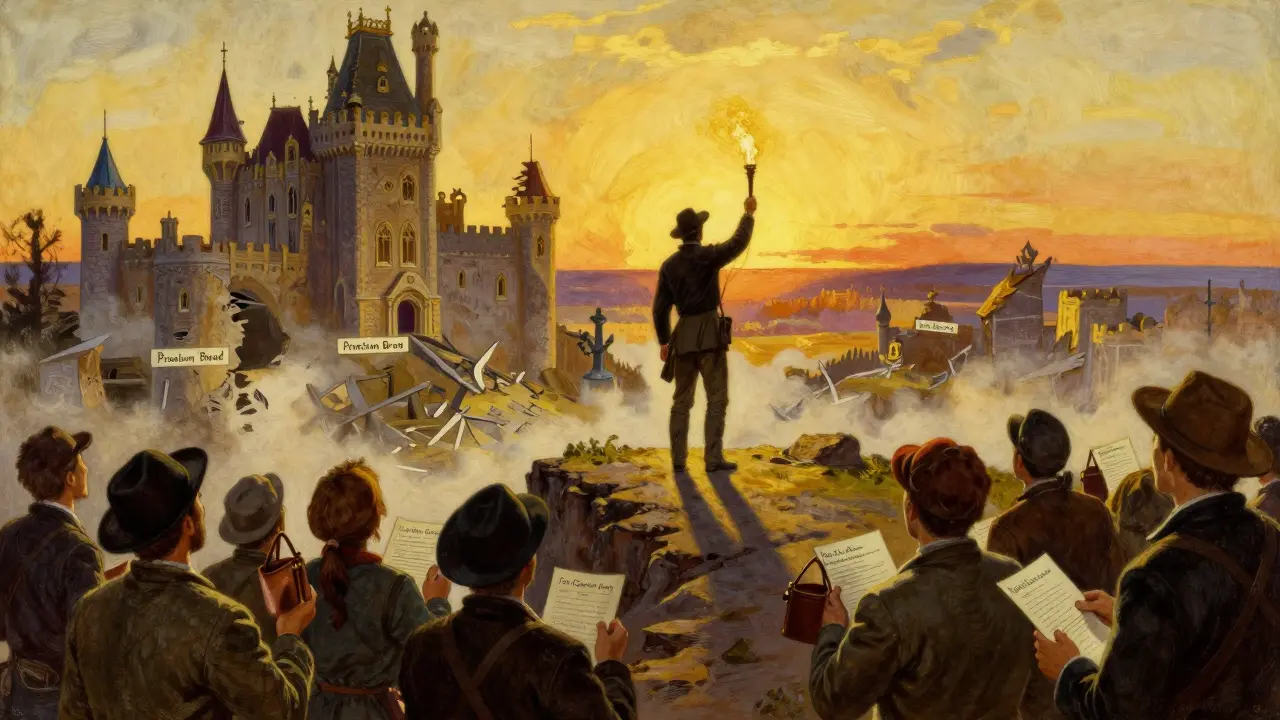
When a new product hits the market, you’d expect it to be expensive. That’s how it’s always been - the first version costs more because it’s new, rare, and cutting-edge. But something strange happens when a first generic entry shows up. The price doesn’t just drop a little. It collapses. Sometimes by 80%. And it doesn’t take years. It happens in weeks.
Think about the first iPhone. It launched at $599 in 2007. By 2010, Android phones with similar features were selling for under $200. Same screen size. Same apps. Same performance. Just cheaper. That’s not a coincidence. That’s the pattern. And it’s happening everywhere - from drugs to databases to enterprise software.
What Exactly Is a First Generic Entry?
A first generic entry isn’t just another competitor. It’s the first product that copies a proprietary system after its patent expires or after someone reverse-engineers it. It doesn’t need to be better. It just needs to be good enough - and way cheaper.
In pharmaceuticals, this is well-documented. When a brand-name drug like Lipitor loses its patent, the first generic version hits shelves at 80% less. The FDA says this happens in under six months. The same thing happens in software. When Oracle’s database became too expensive, PostgreSQL - a free, open-source alternative - started eating its lunch. Companies didn’t need Oracle’s fancy support team. They just needed the database to work. And PostgreSQL did.
It’s not about quality. It’s about monopoly power breaking. When one company owns the only option, they can charge what they want. But as soon as someone else offers the same thing for less, the game changes.
Why Do Prices Crash So Fast?
There are three reasons this happens so quickly.
First: Customers are tired of paying premiums. Gartner found that 72% of enterprise buyers now care more about total cost of ownership than brand names. If you’re spending $100,000 a year on software and someone offers the same thing for $20,000, you’re not waiting for a demo. You’re switching.
Second: The cost to build the copy is low. In software, once someone figures out how the original works, building a clone is mostly coding work. Open-source tools like Linux, Apache, and PostgreSQL cut infrastructure costs by 30-40%. Developers in Eastern Europe or Southeast Asia can build these alternatives for a fraction of what U.S. or Western European teams charge. That’s not fraud. That’s capitalism.
Third: The original vendor has no leverage. If you’re the only game in town, you can say, “Pay up or don’t use it.” But once there’s a second option, customers start asking, “Why are you so expensive?” And the answer? There isn’t one. That’s why Adobe dropped its Creative Suite subscription price by 40% after Canva and Figma gained traction. It wasn’t because they felt generous. It was because they were losing customers.
Real-World Examples - Not Theory
Let’s look at real numbers.
In 2015, Sony’s Bravia 4K TV launched at $1,799. By the next year, LG, Samsung, and TCL had released competing models. The Sony model dropped to $899. That’s a 50% price cut in 12 months - just because others showed up.
In enterprise software, a company using Microsoft SQL Server might pay $50,000 a year in licenses. Then they discover PostgreSQL - free, secure, and compatible. They migrate. Their annual cost drops to $5,000 for support and hosting. That’s a 90% savings. Reddit users in r/sysadmin report this exact move happening 100s of times. One user wrote: “We saved 78% on licensing and didn’t lose a single feature.”
Even Apple got caught. The first iPod cost $399 in 2001. By 2005, generic MP3 players from Creative and SanDisk were selling for $50. Apple had to slash prices. They didn’t want to. But they had to.
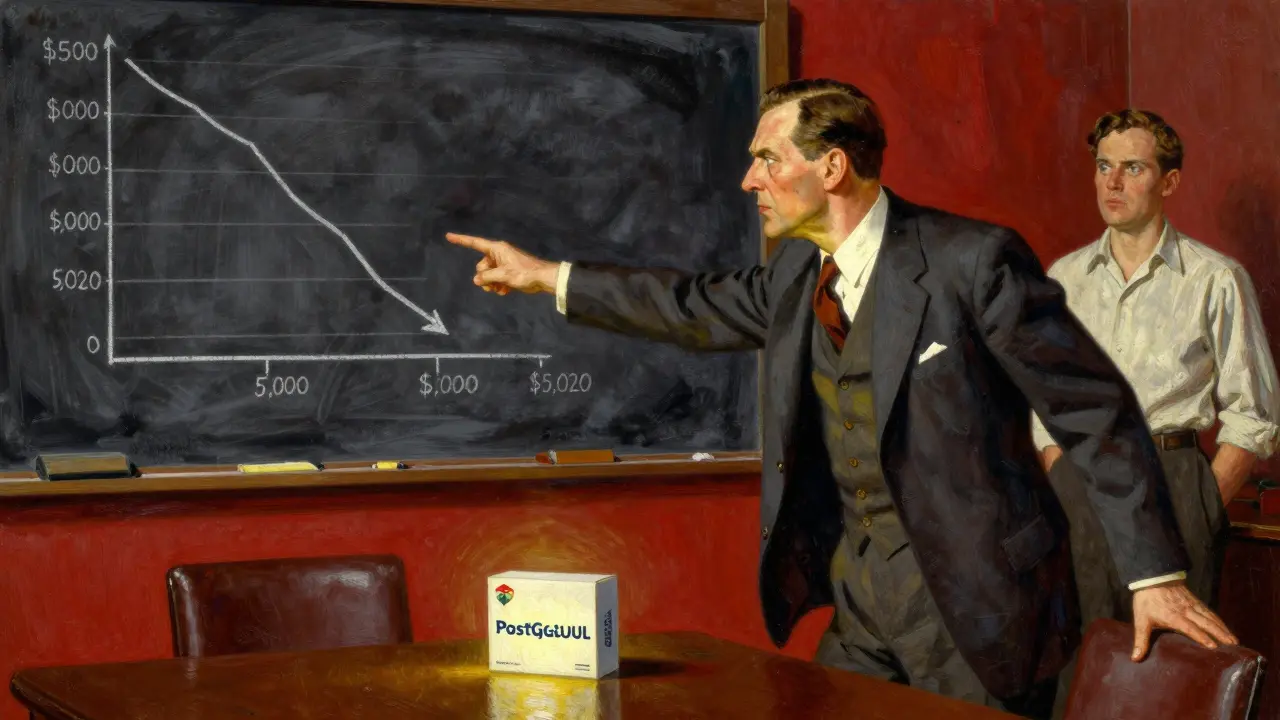
Why This Isn’t Just About Drugs
Most people think this only happens in medicine. But it’s happening faster in tech.
Back in 2010, it took companies 18 months to launch a generic alternative after a patent expired. Now? It’s six months. Why? Because tools like Docker, Kubernetes, and GitHub make copying and deploying software easier than ever. You don’t need a team of 50 engineers. You need one smart developer and a weekend.
Companies like MongoDB and Elastic started as open-source projects. They gave away the core software for free. Then they sold premium features - support, security, cloud hosting. They didn’t compete on price. They competed on trust. And they took market share from Oracle and SAP without ever charging for the base product.
Even Microsoft got the message. In 2022, they changed Azure SQL Database from a fixed license model to a pay-per-use model. Why? Because competitors were offering the same service at 35% lower cost. They didn’t want to lose customers. So they changed their pricing - fast.
What Happens to the Original Company?
The original vendor doesn’t disappear. They adapt.
Some pivot to services. Instead of selling software, they sell training, consulting, and integration. Others go open-source themselves. Oracle now offers a free version of its database - but with limited features. It’s not a gift. It’s a trap. They hope you’ll outgrow the free version and pay for the paid one.
But here’s the truth: once the first generic entry lands, the original company’s pricing power is gone forever. Even if they raise prices again later, customers remember the discount. They’ll never pay full price again.
That’s why Forrester predicts “steeper price declines” for software vendors in the next five years. It’s not speculation. It’s inevitability.
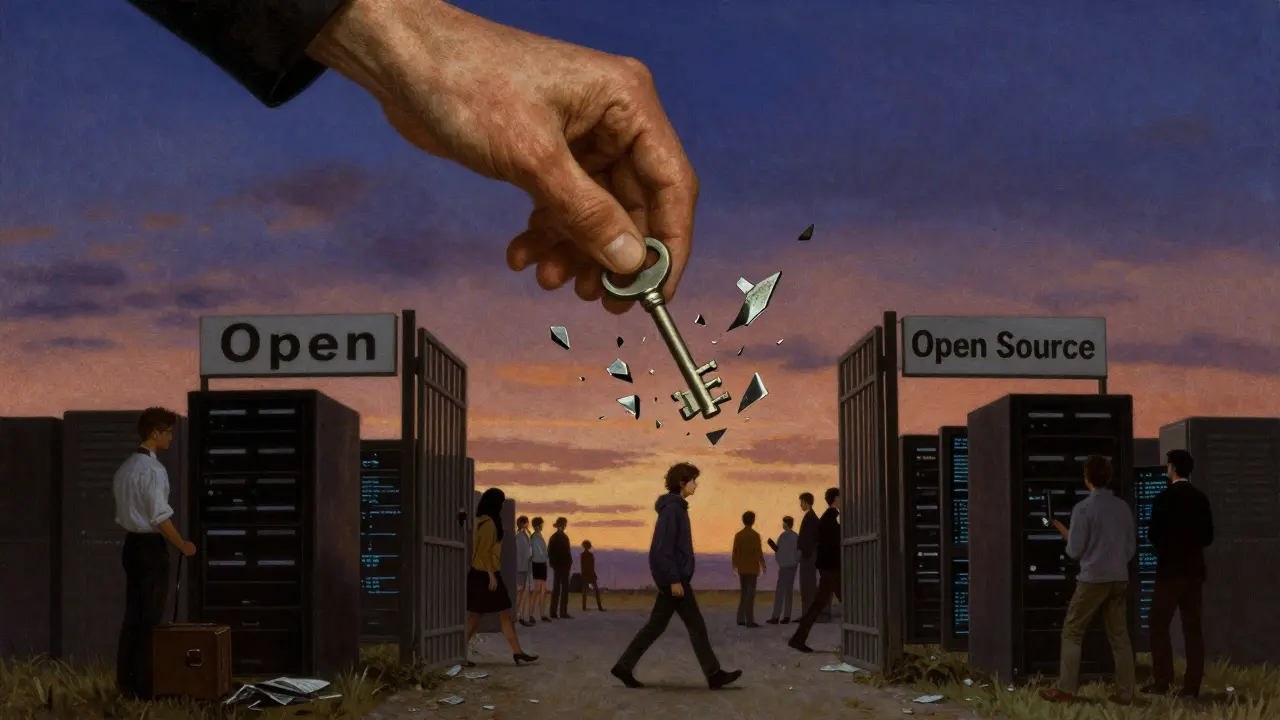
What Should You Do If You’re Buying?
If you’re a business or even an individual paying for software, here’s what to do:
- Watch for new alternatives. If a product is over $10,000/year, there’s probably a cheaper option.
- Search for “open-source alternative to [product name].” You’ll often find one.
- Check G2 or Capterra for reviews. Look for keywords like “saved us money” or “switched from [brand].”
- Test the alternative for 30 days. Most open-source tools let you self-host or use a free tier.
- Calculate the total cost - not just the license fee. Include setup, training, and support.
One company in Wellington switched from a $45,000/year CRM to a free open-source tool. They spent $8,000 on a contractor to set it up. They saved $37,000 in year one. That’s not luck. That’s strategy.
What Happens If You’re Selling?
If you’re the vendor, this is scary - but not hopeless.
Don’t fight the trend. Adapt.
Instead of selling licenses, sell outcomes. Charge for results, not access. Offer usage-based pricing. Give away the core product and charge for premium features. Build a community around your tool. Make it impossible to leave because of the knowledge, not the cost.
Red Hat did this. They gave away Linux for free. Then they sold enterprise support. Now they’re worth billions.
Don’t wait until someone else copies you. Be the first to offer a cheaper version of your own product. That’s how you stay ahead.
Why This Matters for Everyone
This isn’t just about software or drugs. It’s about power.
For decades, companies held all the power. They set prices. You paid. You didn’t complain. But now, customers have tools to compare, copy, and switch. The balance has shifted.
The first generic entry is the great equalizer. It says: “You don’t own this. You just rented it.” And once the rent is up, the price drops - fast.
Whether you’re buying or selling, the lesson is the same: don’t rely on scarcity. Build value. Deliver results. And if you’re not offering real value, someone else will - and they’ll charge less.
Why do generic products cost so much less than the original?
Generic products cost less because they don’t have to pay for R&D, marketing, or brand-building. The original company spent millions developing the product and convincing people it’s worth the price. The generic copycat skips all that. They just replicate the core function and sell it at cost. No ads. No sales team. No expensive offices. Just the product - and a lower price tag.
Is a generic product always as good as the original?
Usually yes - at least for basic use. First generic entries typically match 80-90% of the original’s functionality. They don’t need to be perfect. They just need to be good enough to replace the expensive option. For most businesses, that’s all they care about. If your database runs queries and stores data, it doesn’t matter if it’s Oracle or PostgreSQL. What matters is that it works and doesn’t cost $50,000 a year.
Can I trust open-source alternatives?
Absolutely. Many open-source tools like Linux, Apache, PostgreSQL, and WordPress power the majority of websites and apps worldwide. They’re used by Google, Facebook, Netflix, and banks. The difference? They’re built by communities, not just corporate teams. If a tool has thousands of users, active GitHub commits, and clear documentation, it’s trustworthy. Look for active support forums and recent updates - those are signs it’s alive and maintained.
How long does it take for a generic product to launch after the original?
It used to take 18 months. Now it’s six months or less. Thanks to cloud tools, open-source code, and global development teams, copying a product is faster than ever. In software, if someone reverse-engineers a system, they can build a working version in weeks. The bottleneck isn’t technology - it’s market awareness. Once one company releases a cheap alternative, others follow within months.
Will prices keep dropping forever?
No - but they’ll keep dropping until the product becomes a commodity. Once everyone offers the same thing at low cost, the battle shifts to service, support, and integration. That’s when companies start charging for extras - like training, custom features, or cloud hosting. The core product stays cheap. The added value is what you pay for.


Written by Martha Elena
I'm a pharmaceutical research writer focused on drug safety and pharmacology. I support formulary and pharmacovigilance teams with literature reviews and real‑world evidence analyses. In my off-hours, I write evidence-based articles on medication use, disease management, and dietary supplements. My goal is to turn complex research into clear, practical insights for everyday readers.
All posts: Martha Elena