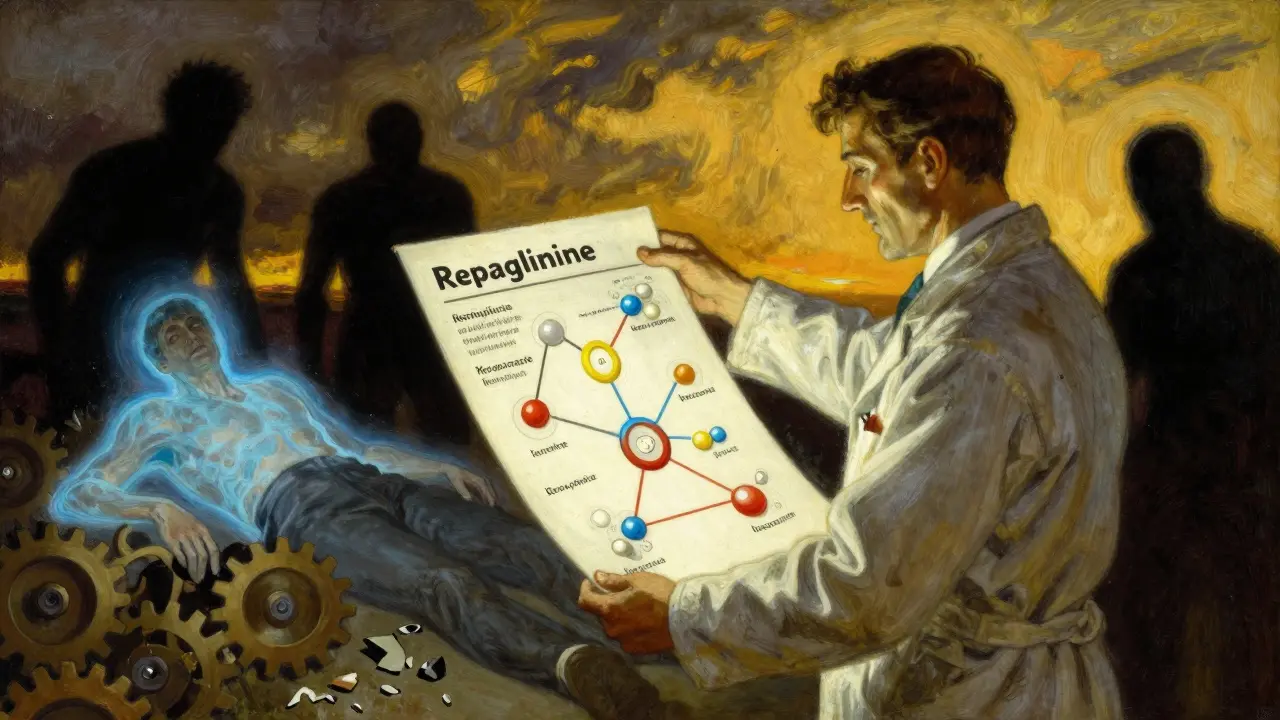
When you're managing diabetes, taking the right mix of medications can make all the difference. But some combinations that seem logical can actually be dangerous. It's not just about whether a drug works-it's about how it behaves when paired with another. Even small changes in how your body processes these drugs can lead to serious highs or lows in blood sugar, and sometimes, life-threatening side effects.
Why Some Drug Mixes Are Risky
Diabetes medications don't work in isolation. Many are broken down by enzymes in your liver, especially CYP3A4, CYP2C8, and CYP2C9. If another drug blocks or speeds up these enzymes, it changes how fast your diabetes medicine leaves your system. For example, if you're taking repaglinide (a meglitinide) and then start an antifungal like ketoconazole, your body can't clear the diabetes drug fast enough. That means too much of it builds up, and your blood sugar crashes-sometimes dangerously low.
Same thing happens with nateglinide, which relies mostly on CYP2C9. Antibiotics like fluconazole or even some heartburn meds can interfere. These aren't rare cases. In fact, studies show that over 15% of hospital admissions for hypoglycemia in people with diabetes are linked to these kinds of interactions.
Insulin and Rosiglitazone: A Dangerous Pair
Insulin is one of the most effective tools for lowering blood sugar. But pairing it with rosiglitazone (a thiazolidinedione) isn't just risky-it's often avoided entirely. Why? Because both drugs cause fluid retention. Together, they can flood your system with extra fluid, leading to swelling in the legs, shortness of breath, and even heart failure. The American Diabetes Association’s 2025 guidelines specifically warn against this combo, especially in older adults or those with existing heart conditions.
Even if your doctor thinks the benefits outweigh the risks, you need to be watching for signs: sudden weight gain (more than 2-3 pounds in a few days), trouble lying flat without feeling breathless, or swelling in your ankles. These aren't normal side effects-they're red flags.
GLP-1 RAs and SGLT-2 Inhibitors: Safer Partners
Not all newer diabetes drugs play nice with others. But two classes stand out for their clean interaction profiles: GLP-1 receptor agonists and SGLT-2 inhibitors. Drugs like semaglutide, liraglutide, empagliflozin, and dapagliflozin work differently. They don't rely heavily on liver enzymes to be broken down. That means they're less likely to clash with antibiotics, statins, or blood pressure meds.
In fact, the ADA now recommends combining GLP-1 RAs with insulin-not because insulin is weak, but because GLP-1 RAs help reduce the insulin dose needed. Lower insulin doses mean fewer lows. Plus, GLP-1 RAs often help with weight loss, which improves insulin sensitivity. This combo isn't just safer-it's often more effective than insulin alone.

What About DPP-4 Inhibitors?
You might see drugs like sitagliptin or linagliptin prescribed alongside GLP-1 RAs. That sounds logical-both help boost insulin. But here's the catch: they work through the same pathway. Taking them together doesn't give you better control. It just increases side effects like nausea, pancreatitis risk, and joint pain. The ADA explicitly says: don't combine DPP-4 inhibitors with GLP-1 RAs. It's redundant, not helpful.
Hidden Triggers: Non-Diabetes Drugs That Mess With Blood Sugar
It's not just other diabetes drugs that cause trouble. Many common prescriptions and even over-the-counter meds can swing your blood sugar out of range.
- Corticosteroids (like prednisone) can spike blood sugar-sometimes so much that people with type 2 diabetes need temporary insulin.
- Diuretics (water pills) like furosemide can raise glucose levels and reduce the effectiveness of metformin.
- Quinine (found in some malaria meds and even tonic water) can trigger severe hypoglycemia, even in people who’ve never had a low before.
- Beta-blockers (for high blood pressure) can hide the symptoms of low blood sugar. You might not feel shaky or sweaty when your sugar drops, making it harder to catch in time.
These aren't hypothetical risks. A 2024 study in the Journal of Clinical Endocrinology & Metabolism found that 28% of patients on metformin who started a diuretic saw their HbA1c rise by 0.5% or more within three months. That’s a big jump in diabetes control terms.

Somatostatin Analogues: The Odd One Out
Drugs like octreotide, used for conditions like acromegaly or certain tumors, have a weird effect on blood sugar. They can cause both high and low blood sugar-sometimes in the same person. Why? Because they suppress insulin, glucagon, and even growth hormone. That means your body loses its natural balance. If you're on octreotide and also taking insulin or sulfonylureas, your glucose levels can swing wildly. Monitoring daily is non-negotiable.
Metformin and Kidney Function
Metformin is often the first drug prescribed for type 2 diabetes. But it’s cleared by the kidneys. If your kidney function drops-even slightly-you can build up too much metformin. That raises the risk of lactic acidosis, a rare but deadly condition. This isn't just about advanced kidney disease. Even a temporary drop in kidney function from dehydration, infection, or contrast dye used in imaging tests can be dangerous.
Guidelines now recommend checking your kidney function before starting metformin and again every 3-6 months. If your eGFR falls below 30, metformin should stop. Between 30 and 45, use with extreme caution and lower doses. Don’t assume your doctor already knows your latest kidney numbers. Bring your last lab report to every appointment.
What Should You Do?
Managing diabetes isn’t just about taking pills. It’s about knowing how they interact-with each other, and with everything else you're taking.
- Keep a full list of every medication, supplement, and OTC drug you take-including herbal teas and vitamins.
- Bring that list to every doctor visit-even if it’s for something unrelated to diabetes.
- Ask your pharmacist to review your meds every time you fill a new prescription.
- Set up daily blood sugar checks if you start a new drug, especially antibiotics or steroids.
- If you feel unusually tired, dizzy, sweaty, or confused, check your blood sugar immediately. Don’t wait.
There’s no one-size-fits-all approach. What works for one person might be dangerous for another. But with awareness and careful monitoring, you can avoid the traps and keep your diabetes under control without unnecessary risk.
Can I take ibuprofen with my diabetes meds?
Yes, occasional use of ibuprofen is generally safe with most diabetes medications. But long-term or high-dose use can affect kidney function, which matters if you're on metformin. It can also mask signs of infection, which might be raising your blood sugar. If you're using ibuprofen regularly, get your kidney function checked every few months.
Are natural supplements safe with diabetes drugs?
Not always. Supplements like garlic, ginseng, or bitter melon can lower blood sugar on their own. When combined with insulin or sulfonylureas, they can cause dangerous lows. Even fish oil and vitamin D have been linked to changes in glucose control in some studies. Always tell your doctor what supplements you're taking-even if they're labeled "natural."
Why can't I take two different GLP-1 RAs together?
GLP-1 RAs all work the same way: they mimic a hormone that boosts insulin after meals and slows digestion. Taking two won’t make them stronger-it’ll just double the side effects: nausea, vomiting, diarrhea, and possible pancreatitis. There’s no proven benefit, and the risks go up. Stick to one.
Is it safe to combine SGLT-2 inhibitors with insulin?
Yes, and it’s often recommended. SGLT-2 inhibitors help your kidneys remove sugar through urine, which lowers blood sugar without increasing insulin demand. This means you can often reduce your insulin dose, lowering your risk of hypoglycemia. But watch for signs of dehydration or genital yeast infections, which are more common with this combo.
What should I do if I start a new antibiotic?
If you're on a sulfonylurea, meglitinide, or insulin, check your blood sugar more often-two to four times a day-for the first week. Some antibiotics, especially azoles like fluconazole or macrolides like clarithromycin, can interfere with how your body breaks down these drugs. Even if you feel fine, don’t skip checks. A silent low can be more dangerous than a high.






Written by Martha Elena
I'm a pharmaceutical research writer focused on drug safety and pharmacology. I support formulary and pharmacovigilance teams with literature reviews and real‑world evidence analyses. In my off-hours, I write evidence-based articles on medication use, disease management, and dietary supplements. My goal is to turn complex research into clear, practical insights for everyday readers.
All posts: Martha Elena