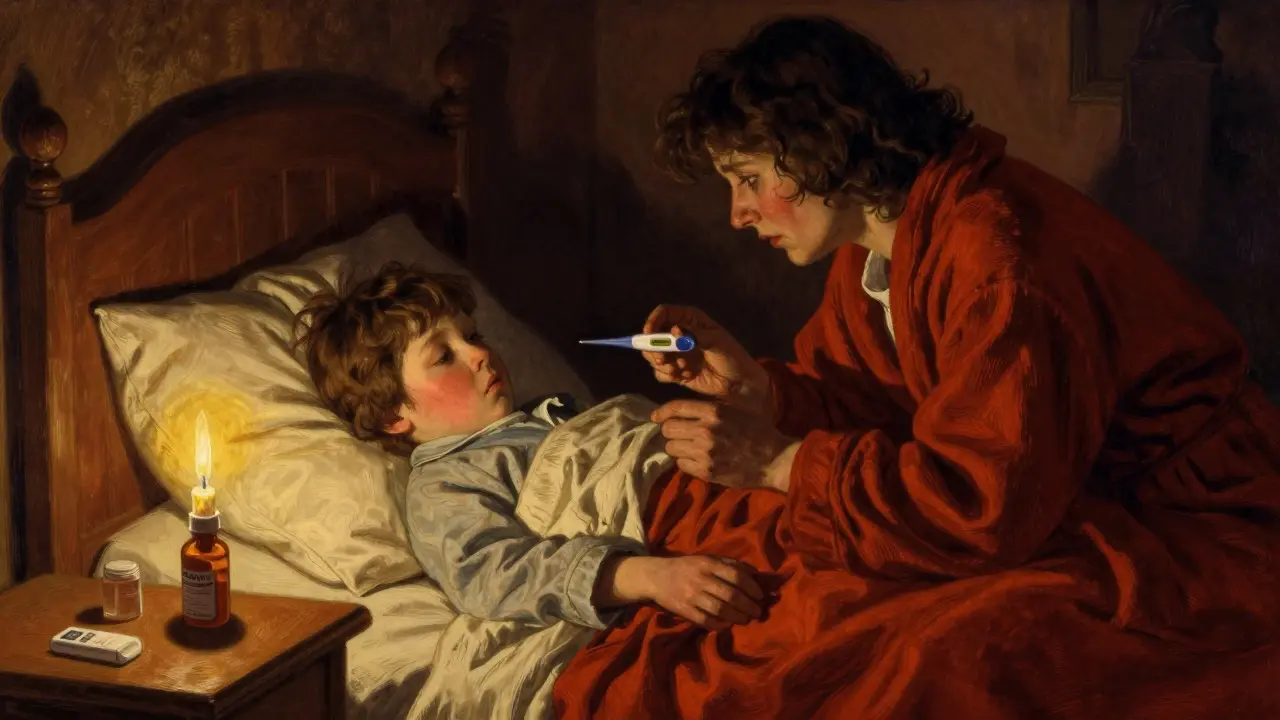
It’s 2 AM. Your three-year-old is burning up, coughing, and refusing to drink water. You’re exhausted, worried, and desperate for a fix. The doctor calls back with a prescription for amoxicillin, a common penicillin-class antibiotic used to treat bacterial infections like ear infections and strep throat. But before you shake that bottle, pause. Is your child actually fighting bacteria, or is this just another virus? Giving antibiotics when they aren’t needed doesn’t help your child recover faster-it can actually make them sicker later.
We’ve been told since childhood that antibiotics cure everything from colds to coughs. That myth is dangerous. In reality, antibiotics are highly specific weapons designed to kill bacteria. They do absolutely nothing against viruses, which cause the vast majority of childhood illnesses. Using them incorrectly contributes to a growing global crisis: antibiotic resistance, where bacteria evolve to survive medications, making infections harder to treat and increasing the risk of spread to other people. Understanding when to use these drugs, what side effects to watch for, and how to distinguish a true allergy from a harmless rash is one of the most important skills any parent can learn.
When Do Kids Actually Need Antibiotics?
The biggest mistake parents and even some doctors make is assuming all infections are bacterial. They aren’t. According to data from Children's Hospital Colorado, a leading pediatric healthcare system providing specialized care for infants, children, and adolescents., approximately 99% of diarrhea and vomiting cases in children are viral. Antibiotics won’t touch those germs. In fact, giving them might make the stomach upset worse by killing off the good bacteria in the gut.
So, when do you reach for the medicine cabinet? Antibiotics are only necessary for specific bacterial infections. Here is the breakdown:
- Strep Throat: About 20% of sore throats in children are caused by Group A Streptococcus bacteria. If your child has a sudden fever, swollen lymph nodes, and white patches on their tonsils without a cough, it could be strep. A rapid antigen test confirms this. If positive, antibiotics (usually penicillin or amoxicillin) are required to prevent rare but serious complications like rheumatic fever.
- Ear Infections (Acute Otitis Media): While many ear infections resolve on their own, severe pain, fluid draining from the ear, or infections in children under two years old often require treatment. Amoxicillin is typically the first-line defense here.
- Pneumonia: Only about 10% of pneumonia cases in children are bacterial. Viral pneumonia is far more common. Doctors look for high fevers, rapid breathing, and specific findings on chest X-rays to decide if antibiotics are needed.
- Sinus Infections: Most sinus issues are viral and last 10-14 days. Antibiotics are only considered if symptoms worsen after improving initially, or if they persist beyond 10 days with no improvement.
If your child has a common cold, bronchiolitis, or influenza, antibiotics will not speed up recovery. The CDC emphasizes that 30% of outpatient antibiotic prescriptions for children are unnecessary. This overprescription drives resistance, meaning that when your child *does* need an antibiotic for a serious infection, it might not work.
Common Side Effects vs. True Allergies
Parents often confuse side effects with allergies. This distinction matters because a true allergy means avoiding a whole class of drugs forever, while a side effect might just mean switching brands or taking probiotics.
Side effects are common, occurring in about 10% of children receiving antibiotics. The most frequent complaints are gastrointestinal. Diarrhea affects 5-25% of kids, depending on the drug. Nausea and vomiting also happen frequently. These occur because antibiotics don’t discriminate; they kill beneficial gut bacteria along with the bad ones. To mitigate this, many pediatricians recommend giving yogurt with live cultures or a probiotic supplement a few hours apart from the antibiotic dose.
Rashes are tricky. Up to 10% of children develop a rash while on antibiotics. However, 80-90% of these rashes are not allergic reactions. They are often viral exanthems-rashes caused by the underlying virus, not the medication. For example, if a child takes amoxicillin for a viral illness like mononucleosis or Epstein-Barr virus, a non-allergic rash is very common. This does not mean the child is allergic to penicillin.
A true drug allergy, specifically an immune system reaction to a medication that can range from mild hives to life-threatening anaphylaxis., presents differently. Watch for:
- Hives (raised, itchy welts)
- Swelling of the lips, tongue, or face
- Wheezing or difficulty breathing
- Anaphylaxis (a severe, life-threatening reaction requiring immediate emergency care)
True IgE-mediated allergies to penicillin are rare, affecting less than 1% of the population. Even rarer is the need to avoid all beta-lactams (which include cephalosporins). If your child had a mild rash as a toddler, there is a high chance they have outgrown the sensitivity or never had an allergy in the first place. Studies show that 95% of children labeled "allergic" based on family history or vague past reactions can safely receive penicillin. Don’t let a label limit future treatment options without proper testing by an allergist.

Understanding Antibiotic Classes for Kids
Not all antibiotics are created equal. Doctors choose specific classes based on the likely bacteria causing the infection and the child’s medical history. Knowing which class your child is on helps you understand potential interactions and side effects.
| Class | Common Examples | Typical Uses | Key Considerations |
|---|---|---|---|
| Penicillins | Amoxicillin, Penicillin G | Ear infections, strep throat, sinusitis | First-line treatment; safe for most children; take with food to reduce nausea. |
| Cephalosporins | Cefdinir, Ceftibuten | Complicated ear infections, pneumonia | Used if penicillin fails or mild allergy exists; may cause dark stools (harmless). |
| Macrolides | Azithromycin, Erythromycin | Whooping cough, atypical pneumonia | Short courses (3-5 days); higher risk of GI upset; avoid with certain heart conditions. |
| Tetracyclines | Doxycycline | Lyme disease, acne (older kids) | Avoid in children under 8 due to tooth discoloration; protect skin from sun. |
Amoxicillin remains the gold standard for pediatric care due to its broad spectrum and safety profile. Azithromycin is popular for its short course duration, which improves adherence, but it should be reserved for cases where penicillins aren’t suitable to preserve its effectiveness. Always ask your doctor why they chose a specific antibiotic. If it’s a simple viral cold, question the prescription.
Administering Antibiotics Correctly
Getting the medicine into your child is often the hardest part. Liquid antibiotics taste terrible, and dosing schedules can be confusing. Here is how to handle administration without turning dinner time into a battle.
First, timing matters. Amoxicillin is usually prescribed twice daily, exactly 12 hours apart. This keeps the drug levels steady in the blood to effectively kill bacteria. Azithromycin is often given once daily for five days. Consistency is key. Set alarms on your phone. Use a dedicated dosing syringe, not a kitchen spoon, which varies wildly in volume.
If your child vomits, don’t panic. The rule of thumb is:
- Vomiting within 30 minutes: Give the full dose again. The body didn’t absorb it.
- Vomiting 30-60 minutes later: Give half the dose. Some absorption occurred.
- Vomiting after 60 minutes: Do not repeat the dose. It was absorbed.
To improve taste, mix small amounts of the liquid with chocolate syrup, applesauce, or juice. Avoid mixing with large meals, as food can interfere with absorption for some antibiotics. Compounding pharmacies can also flavor medications if taste is a major barrier. Never crush extended-release tablets unless instructed, as this releases the entire dose at once, potentially causing toxicity.
Most importantly, finish the course. Even if your child looks perfectly healthy after three days, keep giving the medicine until the bottle is empty. Stopping early leaves the strongest bacteria alive, allowing them to multiply and become resistant. This is a primary driver of the CDC's concerns regarding antimicrobial stewardship, which focuses on using antibiotics wisely to slow the development of resistant bacteria.

Signs You Should Call the Doctor
Monitoring your child during treatment is crucial. You expect to see improvement within 48 to 72 hours. Fever should drop, energy levels should rise, and pain should decrease. If there is no improvement after three days, call your pediatrician. The infection might be viral, or the bacteria might be resistant to the current antibiotic.
Seek immediate emergency care if you notice signs of severe allergic reaction:
- Difficulty breathing or wheezing
- Swelling of the face, lips, or throat
- Widespread hives
- Severe dizziness or fainting
Contact your doctor promptly for:
- Bloody or watery diarrhea (could indicate Clostridium difficile infection)
- White spots in the mouth (thrush, a yeast infection)
- Persistent vomiting preventing medication intake
- New or worsening rash
Don’t wait. Early intervention prevents complications. Remember, antibiotics are powerful tools, but they are not magic bullets. They work best when used precisely, sparingly, and correctly.
Combating Antibiotic Resistance
Why does all this caution matter? Because we are running out of options. Methicillin-resistant Staphylococcus aureus (MRSA), a type of bacteria that has developed resistance to several commonly used antibiotics., infections in children have increased by 150% since 2010. Streptococcus pneumoniae, which causes ear infections, pneumonia, and meningitis., now shows penicillin resistance in 47% of isolates, up from 35% in 2013. These numbers are alarming.
Every unnecessary prescription contributes to this pool of superbugs. When you demand antibiotics for a viral cold, you’re not just treating your child-you’re weakening the weapon for everyone else. The economic cost is staggering: $1.1 billion annually in unnecessary prescriptions and $3.5 billion in treating resistance-related complications in the U.S. alone.
The future of pediatric care involves precision medicine. New diagnostic tools, like point-of-care CRP testing and rapid susceptibility tests, allow doctors to differentiate bacterial from viral infections in hours rather than days. These technologies reduce unnecessary prescriptions by up to 62%. As a parent, you can support this shift by asking questions: "Is this bacterial or viral?" "Can we watch and wait?" "What are the risks of not treating?"
Dr. Charles Woods, a professor of pediatrics, puts it best: "The most powerful antibiotic we have for most childhood illnesses is time and supportive care." Trust that instinct. Keep your child hydrated, rest them up, and use fever reducers for comfort. Save the heavy artillery for when it truly counts.
How long does it take for antibiotics to work in children?
You should typically see improvement in your child's symptoms within 48 to 72 hours after starting antibiotics. Fever should begin to subside, and energy levels should increase. If there is no improvement after three days, contact your pediatrician, as the infection may be viral or resistant to the current medication.
Can I stop antibiotics early if my child feels better?
No, you should always complete the full course of antibiotics as prescribed, even if your child feels completely recovered. Stopping early allows the strongest bacteria to survive and multiply, which can lead to a relapse and contribute to antibiotic resistance. Finish the bottle to ensure the infection is fully eradicated.
Is a rash always a sign of an antibiotic allergy?
Not necessarily. Up to 90% of rashes that appear during antibiotic treatment are not true allergic reactions. They are often viral exanthems caused by the underlying illness itself. True allergic reactions typically involve hives, swelling of the face or lips, or difficulty breathing. Consult your doctor to determine if the rash is allergic or viral.
Do antibiotics help with colds and flu?
No, antibiotics do not help with colds or the flu because these illnesses are caused by viruses. Antibiotics only kill bacteria. Using them for viral infections provides no benefit and increases the risk of side effects and antibiotic resistance. Treatment for colds and flu focuses on rest, hydration, and symptom management.
What should I do if my child vomits after taking an antibiotic?
If your child vomits within 30 minutes of taking the dose, repeat the full dose. If vomiting occurs between 30 and 60 minutes later, give half the dose. If more than 60 minutes have passed, do not repeat the dose as it has likely been absorbed. Contact your pharmacist or doctor if vomiting persists.
Can antibiotics cause diarrhea in children?
Yes, diarrhea is a common side effect, affecting 5-25% of children depending on the antibiotic class. This happens because antibiotics kill beneficial gut bacteria along with the harmful ones. To help manage this, you can give probiotics or yogurt with live cultures a few hours apart from the antibiotic dose. Seek medical attention if diarrhea becomes severe, bloody, or persistent.
How can I tell if my child has strep throat?
Strep throat symptoms include sudden fever, severe sore throat, swollen lymph nodes in the neck, and white patches on the tonsils, usually without a cough. However, symptoms alone are not enough for diagnosis. A rapid antigen detection test or throat culture is required to confirm strep throat and justify antibiotic treatment.
Are all penicillin allergies lifelong?
Many children outgrow penicillin allergies. Studies show that 95% of children labeled as allergic based on family history or vague past reactions can safely receive penicillin. If your child had a mild reaction in the past, consult an allergist for testing. Confirming the absence of allergy expands treatment options and reduces reliance on broader-spectrum antibiotics.



Written by Martha Elena
I'm a pharmaceutical research writer focused on drug safety and pharmacology. I support formulary and pharmacovigilance teams with literature reviews and real‑world evidence analyses. In my off-hours, I write evidence-based articles on medication use, disease management, and dietary supplements. My goal is to turn complex research into clear, practical insights for everyday readers.
All posts: Martha Elena