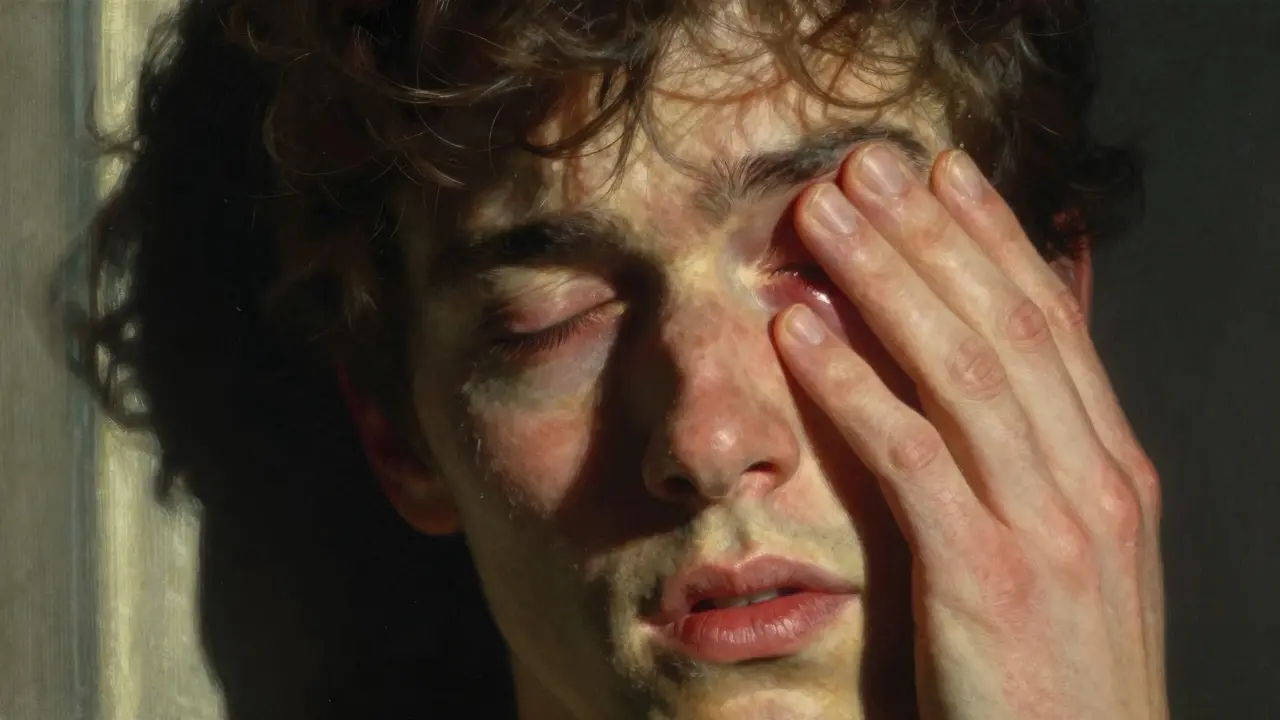
Uveitis is inflammation of the uvea, the middle layer of the eye, which can lead to serious vision problems if not treated quickly. It's not just a minor irritation-this condition is the third leading cause of blindness worldwide. Imagine waking up with blurry vision, eye pain, and sensitivity to light. These symptoms often appear suddenly, and delaying treatment can mean permanent damage.
What is the uvea?
The uvea is the middle layer of your eye, made up of three parts: the iris (the colored part), the ciliary body (which controls focus), and the choroid (a blood vessel layer that feeds the retina). When this layer gets inflamed, it's called uveitis. Without proper treatment, the inflammation can cause scarring, damage to the retina, or even blindness. It's crucial to understand that uveitis isn't just about red eyes-it's a serious issue that needs immediate attention.
Causes of Uveitis
Uveitis is tricky because doctors can't always find the cause. About one-third of cases have no clear reason. But when they do, common triggers include autoimmune diseases like rheumatoid arthritis or ankylosing spondylitis, infections such as herpes viruses, syphilis, or toxoplasmosis, or eye injuries. For example, a shingles outbreak (caused by the varicella-zoster virus) can sometimes lead to uveitis later. Infections like cytomegalovirus (CMV) retinitis also pose a risk, especially for people with weakened immune systems. The key takeaway? While some causes are known, many cases remain unexplained, making early diagnosis even more critical.
Symptoms to Watch For
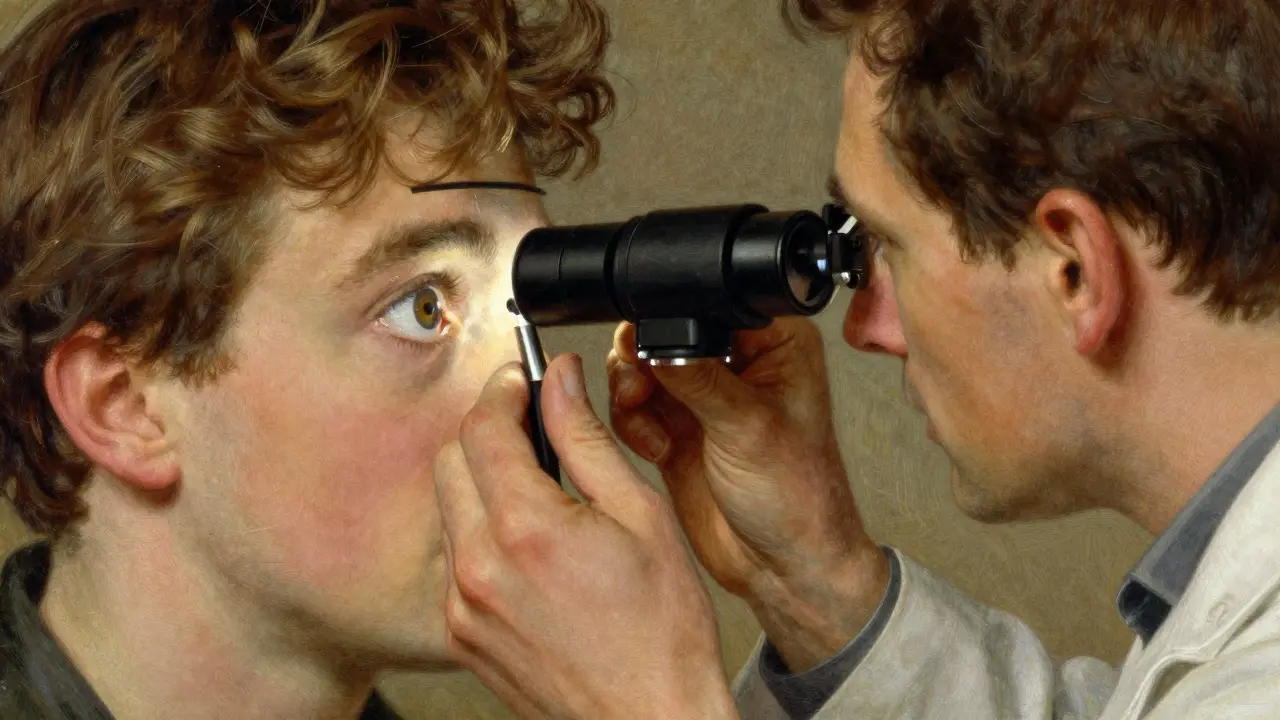
Uveitis symptoms vary but often include eye redness, pain (which may worsen when reading), sensitivity to light, blurred vision, and floaters-those tiny dark spots or squiggly lines that drift across your vision. Some people experience symptoms suddenly over hours or days, while others notice them slowly over weeks. If you're seeing floaters or have blurry vision without an obvious cause, don't wait. These signs could indicate uveitis, especially if they come with eye pain or redness. Remember: symptoms can affect one or both eyes and may get worse quickly.
Types of Uveitis
Doctors classify uveitis based on where the inflammation occurs. Anterior uveitis (also called iritis) affects the front part of the eye and is the most common type. It typically causes redness, pain, and light sensitivity. Intermediate uveitis targets the vitreous cavity (the middle part of the eye), leading to floaters and blurred vision with less pain. Posterior uveitis involves the retina and choroid at the back of the eye, often causing vision loss without obvious pain. Panuveitis affects all layers at once, combining symptoms from all types. Each type requires different treatment approaches, which is why accurate diagnosis is so important.
Steroid Therapy Explained
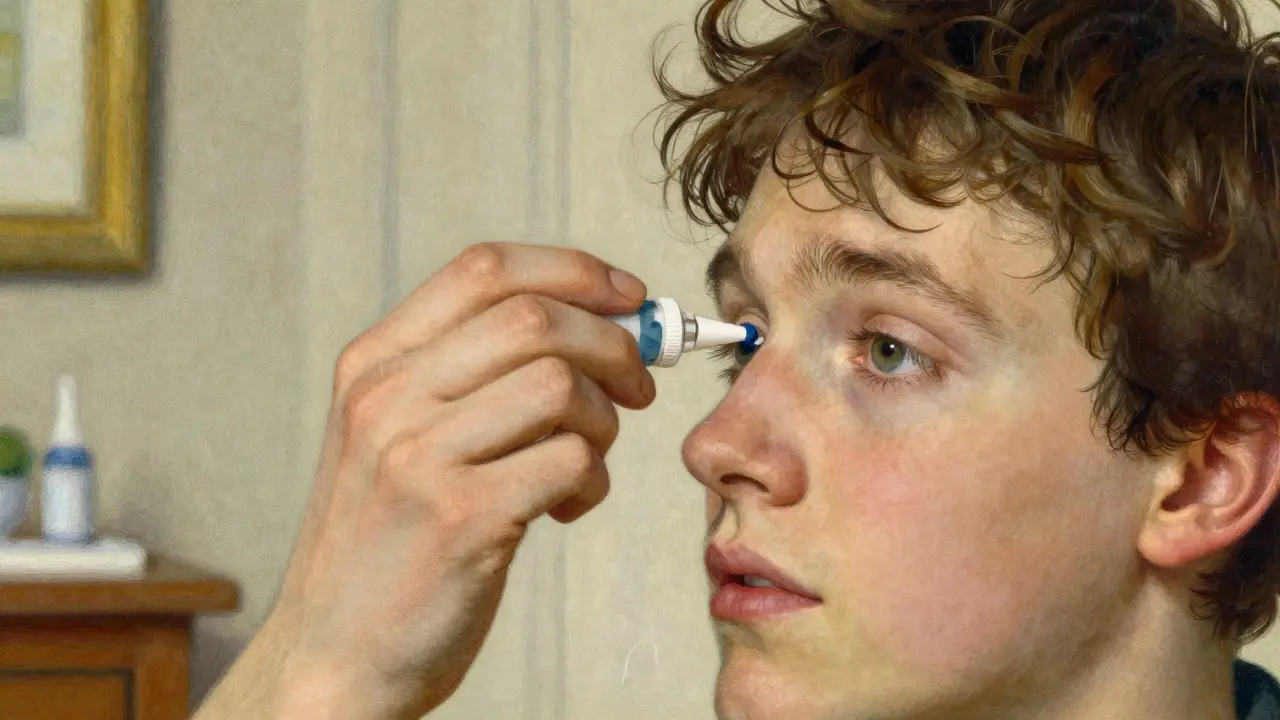
Corticosteroids are the primary treatment for uveitis because they reduce inflammation fast. For anterior uveitis, eye drops like prednisolone acetate are usually enough. But for deeper inflammation, such as in intermediate or posterior uveitis, doctors may use injections around the eye, implants inside the eye, or oral steroids. The goal is to stop inflammation before it causes permanent damage. However, long-term steroid use can lead to side effects like cataracts or high eye pressure, so doctors often switch to other medications for chronic cases. The key is starting treatment as soon as possible-delaying even a few days can increase the risk of vision loss.
When to See a Doctor
If you notice sudden eye redness, pain, or vision changes, see an eye doctor immediately. Uveitis is a medical emergency. Even mild symptoms like floaters or blurred vision warrant a prompt checkup. Your eye specialist will examine your eyes, possibly run tests, and start treatment right away. Remember: quick action is the best way to prevent permanent vision loss. Don't wait to see if symptoms improve on their own-early treatment makes all the difference.
What's the difference between anterior and posterior uveitis?
Anterior uveitis affects the front of the eye (iris and ciliary body) and usually causes noticeable redness, pain, and light sensitivity. Posterior uveitis targets the retina and choroid at the back of the eye, often leading to blurry vision or floaters without much pain. It's harder to detect and more likely to cause permanent damage.
Can uveitis cause blindness?
Yes, if untreated. Uveitis is the third leading cause of blindness worldwide. However, with timely treatment, most people preserve their vision. Chronic inflammation, especially in posterior uveitis or panuveitis, poses the highest risk for permanent damage.
Are steroids the only treatment for uveitis?
Steroids are the first-line treatment, but not the only option. For chronic cases, doctors often use steroid-sparing drugs like methotrexate or biologics to avoid long-term side effects. The goal is to control inflammation while minimizing risks like cataracts or glaucoma.
How long does steroid treatment last?
It varies. Acute cases might need just a few weeks of treatment, but chronic uveitis often requires months or years of therapy. Doctors carefully taper steroids to prevent rebound inflammation while monitoring for side effects.
Is uveitis contagious?
No, uveitis itself isn't contagious. However, if it's caused by an infection like syphilis or herpes, the underlying infection might be transmissible. Uveitis is an inflammatory response, not something you catch from others.







Written by Martha Elena
I'm a pharmaceutical research writer focused on drug safety and pharmacology. I support formulary and pharmacovigilance teams with literature reviews and real‑world evidence analyses. In my off-hours, I write evidence-based articles on medication use, disease management, and dietary supplements. My goal is to turn complex research into clear, practical insights for everyday readers.
All posts: Martha Elena