
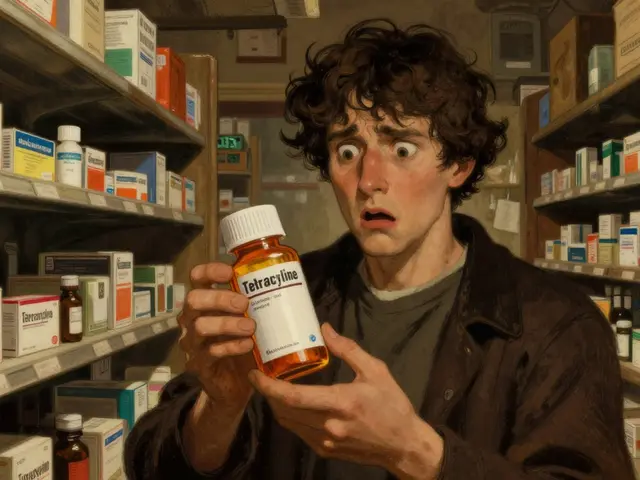
You take your morning pill. It’s the same chemical compound you’ve taken for years. But this time, it’s a generic version, not the brand name. Within days, you feel different. Maybe worse. You tell your doctor, "It just doesn’t work like the old one." Your doctor checks your blood levels. They are identical. So why do you feel a difference?
This isn’t imagination. It’s biology meeting psychology. The placebo effect is a psychological phenomenon where patient expectations influence actual physiological outcomes. When it comes to switching from brand-name medications to generics, this effect can create a real, measurable gap in how well the treatment works for you. Understanding this dynamic is key to managing your health effectively without paying unnecessary premiums.
The Science Behind the Label
We often think of medicine as purely chemical. You swallow a tablet, it dissolves, enters your bloodstream, and blocks a receptor. End of story. But human beings are not simple machines. Our brains predict outcomes before they happen. This predictive processing changes how our bodies react.
In a landmark 2014 study published in Health Psychology, researchers Kate Faasse and her team at the University of Auckland tested this directly. They gave participants placebos-inert sugar pills that contained no active drug. Half the group received pills labeled with a famous brand name. The other half got pills labeled as generic.
The results were striking. The group that thought they were taking the brand-name placebo reported headache relief equivalent to people who actually took ibuprofen. The group that thought they were taking the generic placebo felt significantly less relief. The chemistry was zero in both cases. The label made all the difference.
Neuroimaging studies back this up. Functional MRI scans show that when patients believe they are taking a high-quality, branded treatment, their dorsolateral prefrontal cortex activates more intensely. This brain region helps regulate pain perception and emotional response. Essentially, your belief in the drug triggers your brain to release natural painkillers like endorphins. When you doubt the drug because it’s generic, that neural support system stays quiet.
Why Do We Trust Brands More?
The root of this issue lies in a cognitive bias called the "cost-expectation relationship." We have been conditioned to believe that higher price equals higher quality. A study by Waber et al. in the Journal of the American Medical Association demonstrated this vividly. Participants received electric shocks of varying intensity. Some were told the painkiller they received cost $2.50 per dose; others were told it cost $0.10. The pills were identical. Those who believed they paid more reported 64% greater pain reduction.
Generic drugs cost a fraction of brand-name versions because manufacturers don’t pay for the original research and development costs. However, many patients interpret this lower price as lower efficacy. In New Zealand and the United States-the only two countries allowing direct-to-consumer pharmaceutical advertising-this effect is amplified. Years of marketing create an emotional attachment to the brand logo, making the switch to a plain-looking generic feel like a downgrade, even when the science says otherwise.
The Nocebo Effect: When Doubt Causes Harm
If the placebo effect makes us feel better through positive expectation, its evil twin, the nocebo effect is the phenomenon where negative expectations cause real physical symptoms or side effects, can make us feel worse. This is particularly dangerous when switching to generics.
Consider statins, drugs used to lower cholesterol. Clinical trials show that even when patients receive a placebo instead of the actual drug, about 1.9% to 3.4% report muscle pain. This is the baseline nocebo rate. However, when patients are explicitly told they are receiving a generic version, or when they read online forums filled with complaints about generics, those rates jump. Studies indicate that perceived inefficacy leads to higher dropout rates. In antidepressant trials, patients on generic-labeled sertraline dropped out at rates 22% higher than those on brand-labeled versions, despite identical chemical composition.
On platforms like Drugs.com and Reddit, thousands of users share stories of "worse" performance with generics. One user noted their blood pressure rose after switching from brand-name levothyroxine to a generic, despite identical dosing. While individual sensitivity to inactive ingredients (fillers, dyes) can exist, the sheer volume of these reports often stems from heightened vigilance. If you expect the generic to fail, you notice every minor ache or mood swing and attribute it to the pill. This self-fulfilling prophecy creates real suffering where none pharmacologically exists.

Bioequivalence: What the Law Actually Says
To understand why doctors push generics, we need to look at the regulations. The U.S. Food and Drug Administration (FDA) and similar bodies worldwide enforce strict bioequivalence standards are regulatory requirements ensuring generic drugs perform similarly to brand-name drugs in the body.
A generic drug must demonstrate that its absorption rate and extent fall within a specific range compared to the brand name. Specifically, the 90% confidence interval for the Area Under the Curve (AUC) and maximum concentration (Cmax) must be between 80% and 125%. In practical terms, this means the generic delivers almost exactly the same amount of active ingredient into your bloodstream at almost exactly the same speed. For the vast majority of medications, this tiny margin of variance has no clinical impact.
| Attribute | Brand-Name Drug | Generic Drug |
|---|---|---|
| Active Ingredient | Identical chemical compound | Identical chemical compound |
| Dosage Strength | Standardized (e.g., 20mg) | Standardized (e.g., 20mg) |
| Bioavailability | d>Reference standard | 80-125% of reference (Bioequivalent) |
| Cost | High (covers R&D, marketing) | Low (manufacturing only) |
| Patient Expectation | High trust, strong placebo effect | Variable trust, risk of nocebo effect |
| Appearance | Distinctive shape/color/markings | May vary by manufacturer |
The table above highlights the critical distinction: physically and chemically, they are nearly twins. Psychologically, they are strangers. The appearance difference is often the trigger. If your brand-name pill is blue and round, and the generic is white and oval, your brain registers a change. The FDA has recognized this, issuing guidance in 2019 suggesting manufacturers maintain consistent appearances where possible to reduce discontinuation rates, which rise by nearly 20% when pill appearance changes drastically.
Managing the Switch: Practical Strategies
So, how do you manage this psychological hurdle? You cannot control the manufacturing process, but you can control your mindset and your communication with healthcare providers. Here are evidence-based strategies to minimize the nocebo effect during a switch.
- Educate Yourself on Bioequivalence: Knowledge neutralizes fear. Understanding that the 80-125% rule ensures therapeutic equivalence helps reframe the switch not as a downgrade, but as a smart economic choice with identical medical benefits. Reading official resources, such as the FDA’s consumer guides, can provide reassurance.
- Communicate Openly with Your Doctor: Don’t suffer in silence. Tell your provider if you’re anxious about the switch. A 2021 study in JAMA Internal Medicine found that a simple three-minute explanation from a doctor regarding bioequivalence reduced nocebo responses by 47%. Ask them to validate your concerns while affirming the science.
- Request Consistent Manufacturers: If you find that a specific generic brand works best for you, ask your pharmacist to stick with that manufacturer whenever possible. While pharmacies may switch suppliers based on inventory, expressing a preference can sometimes help maintain consistency in pill appearance and inactive ingredients.
- Create a Transition Routine: Treat the first two weeks of a new generic like any other lifestyle change. Keep a simple symptom diary. Note your energy levels, pain scores, or mood daily. Often, patients discover that the "bad feelings" fade after the initial novelty wears off, proving the issue was psychological anticipation rather than chemical deficiency.
- Avoid Online Doom-Surfing: Reading anecdotal horror stories on forums can prime your brain for failure. These communities suffer from selection bias-people rarely post to say, "My generic worked fine." Stick to clinical data and professional advice.

When to Consider Sticking with Brand Names
While generics are safe and effective for most people, there are narrow exceptions where the psychological factor might intersect with genuine physiological sensitivity. These are known as Narrow Therapeutic Index (NTI) drugs. Examples include warfarin (blood thinner), levothyroxine (thyroid hormone), and certain anti-seizure medications like phenytoin.
For NTI drugs, the margin for error in blood concentration is very small. Even though generics meet bioequivalence standards, slight variations in absorption could theoretically matter more here. If you are on an NTI drug and have stable levels on a brand name, discuss with your specialist whether staying on the brand is worth the extra cost for peace of mind and stability. For the vast majority of other medications-antibiotics, blood pressure meds, statins, and antidepressants-the generic is the rational, scientifically sound choice.
The Future of Generic Perception
The healthcare industry is beginning to address these psychological barriers. The FDA launched pilot programs in 2023 requiring more consistent labeling and appearance for generics. Researchers are developing digital therapeutic modules, such as the "Expectation Modulation Protocol," designed to educate patients right before they start a new medication, reducing nocebo responses by over 50% in trials.
As we move forward, the goal is to decouple price from perceived value. Until then, recognizing that your brain is part of the medication delivery system empowers you. You aren’t crazy for feeling a difference. You’re human. By acknowledging the power of expectation, you can take charge of your treatment outcomes, ensuring that your generic medication works as hard as the brand name did.
Is the placebo effect real, or am I imagining it?
The placebo effect is biologically real. Brain imaging shows that positive expectations activate regions involved in pain regulation and dopamine release. It is not "imagining" relief; your brain is producing physiological changes that enhance the drug's effectiveness. Conversely, doubt can trigger the nocebo effect, causing real side effects.
Are generic drugs exactly the same as brand-name drugs?
They contain the exact same active ingredient in the same dosage. They must meet strict bioequivalence standards, meaning they enter your bloodstream at similar rates. The differences lie in inactive ingredients (like fillers or dyes) and appearance, which generally do not affect efficacy but can influence patient perception.
Why do some people feel worse on generics?
This is often due to the nocebo effect, where negative expectations lead to perceived or actual side effects. Additionally, rare sensitivities to inactive ingredients (binders, coatings) can occur. However, studies show that when patients are blinded to whether they are taking a brand or generic, they report equal efficacy and side effect profiles.
Should I stay on brand-name medication if it’s working?
If you are on a Narrow Therapeutic Index (NTI) drug like warfarin or levothyroxine, staying on the brand may be advisable for stability. For most other medications, switching to generics is safe and recommended to save costs. If you experience issues, consult your doctor rather than assuming the generic is inferior.
Can my doctor help me adjust to a generic medication?
Yes. Research shows that brief educational interventions by doctors explaining bioequivalence can reduce nocebo responses by nearly half. Be open about your concerns, ask questions, and request a transition period with monitoring to ensure your body adjusts smoothly.



Written by Martha Elena
I'm a pharmaceutical research writer focused on drug safety and pharmacology. I support formulary and pharmacovigilance teams with literature reviews and real‑world evidence analyses. In my off-hours, I write evidence-based articles on medication use, disease management, and dietary supplements. My goal is to turn complex research into clear, practical insights for everyday readers.
All posts: Martha Elena